Author: YUKI

  • Day Trip from Bangkok: Ayutthaya World Heritage & Lopburi Monkey Town Guide

    Day Trip from Bangkok: Ayutthaya World Heritage & Lopburi Monkey Town Guide

    *This article contains affiliate links.

    Just one to two hours north of Bangkok lie two towns with completely different personalities. Ayutthaya, a UNESCO World Heritage Site filled with ancient ruins, and Lopburi, a town once overrun by thousands of monkeys. Combining both into a one or two day trip reveals a side of Thailand that most tourists never see.


    Getting There from Bangkok

    To Ayutthaya (about 80km north of Bangkok)

    The train from Krung Thep Aphiwat Central Terminal takes about one to one and a half hours. Sitting back and watching the countryside roll by makes for a pleasant journey. Mini buses (rot tu) from the Northern Bus Terminal take about one and a half to two hours and run frequently.

    Tickets no longer require lining up at the station window. You can book online via smartphone or computer. The 12GO app handles trains, buses, boats and more in one place, supports multiple languages including Japanese and English, and is easy to use though a service fee applies. The app also covers Bangkok to Pattaya bus tickets, though checking the bus company’s own website directly sometimes offers a better price.

    To Lopburi (about 150km north of Bangkok)

    By train from Bangkok, the journey takes about two and a half to three hours. From Ayutthaya, it’s just one to one and a half hours further north. Combining Ayutthaya and Lopburi into a single overnight trip is highly recommended.


    Getting Around the Ruins

    Ayutthaya’s ruins are spread across a wide area. Renting a bicycle or motorbike gives you the most freedom to explore at your own pace and stop wherever you like. Chartering a tuk-tuk for a few hours is another popular option.

    Book an Ayutthaya day trip from Bangkok with Klook >>


    Must-See Ruins in Ayutthaya

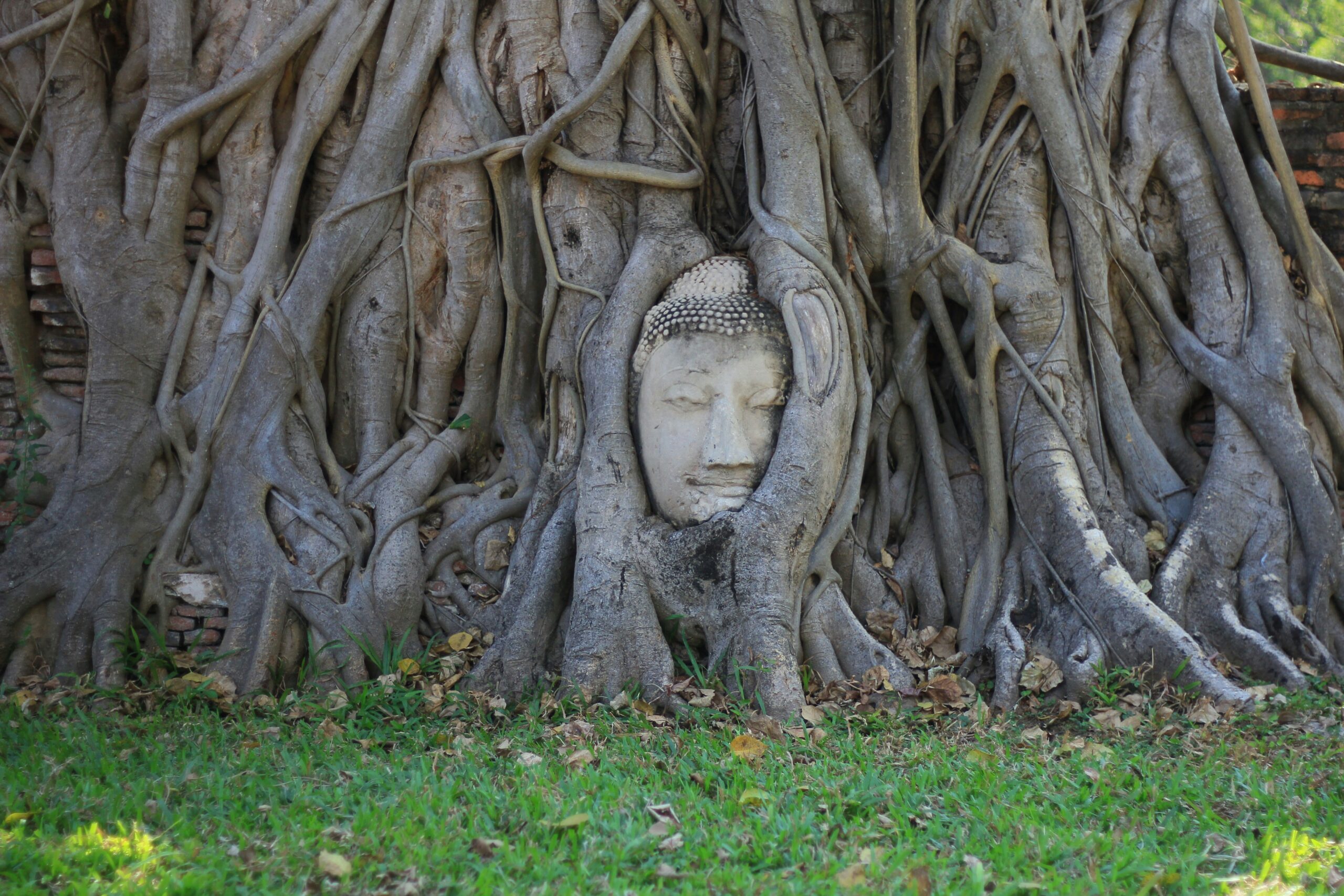
    Wat Phra Mahathat Famous for the Buddha head enveloped by the roots of a bodhi tree. When photographing it, keep your head lower than the Buddha head out of respect.

    Wat Phra Si Sanphet The most important temple within the old royal palace grounds. Three magnificent Sri Lankan-style chedis stand in a row, housing the ashes of former kings.

    Wat Chaiwatthanaram A stunning Khmer-style temple on the west bank of the Chao Phraya River. At sunset the ruins reflected in the river create one of Thailand’s most romantic scenes.
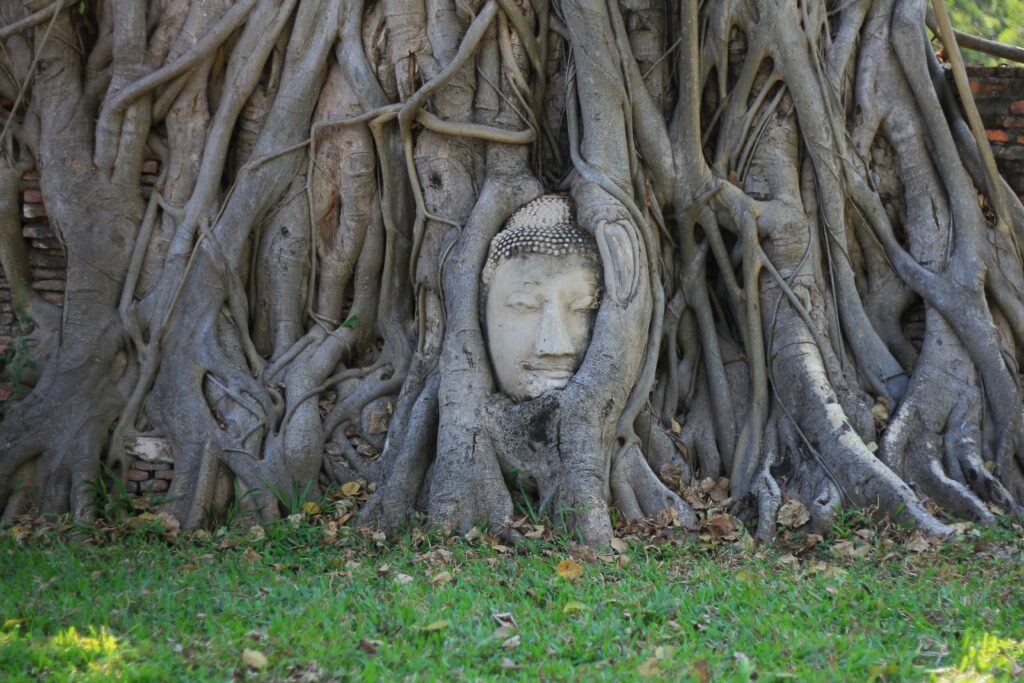
    photo by Rutpratheep Nilpechr on unsplash

    The People I Met in Ayutthaya

    At one of the main ruins I got talking with a Thai man selling hammocks. Before I knew it we were sharing a meal with his family right there on the temple grounds, and he ended up driving me back to my guesthouse. Moments like that are what travel is really about.

    The funniest part came when I tried to help him sell hammocks to Japanese tourists. Every time a Japanese visitor walked by I called out to them — and every single one looked at me with suspicion. Apparently a Japanese person selling hammocks in a Thai ruin is more suspicious than an actual Thai vendor.


    Important Note for Visitors

    Temple ruins require clothing that covers shoulders and knees. Thailand is extremely hot and you’ll be walking outdoors for extended periods, so sunscreen, a hat, sunglasses and plenty of water are essential.


    Lopburi: Once the Planet of the Apes (Past Tense)

    About one hour north of Ayutthaya, Lopburi was once a town where thousands of monkeys roamed freely through the streets. Hotel windows came fitted with metal grilles to stop them getting in — though the monkeys still made it up to the rooftops. The ruins in the town center served as their sleeping ground. Baby monkeys would climb all over visitors without any hesitation. Unlike monkeys I had encountered in Japan or India, these ones were genuinely friendly. As an animal lover I absolutely loved it.

    However, the situation has changed dramatically as of 2025.

    Due to serious property damage and attacks on people, Thai authorities carried out a major operation between 2024 and 2025 to capture, sterilize and relocate the monkeys. As a result, the monkey population in the town center has decreased by over 95 percent. It is now much safer, but the wild Planet of the Apes atmosphere is largely gone. Some monkeys can still be seen around the ruins.
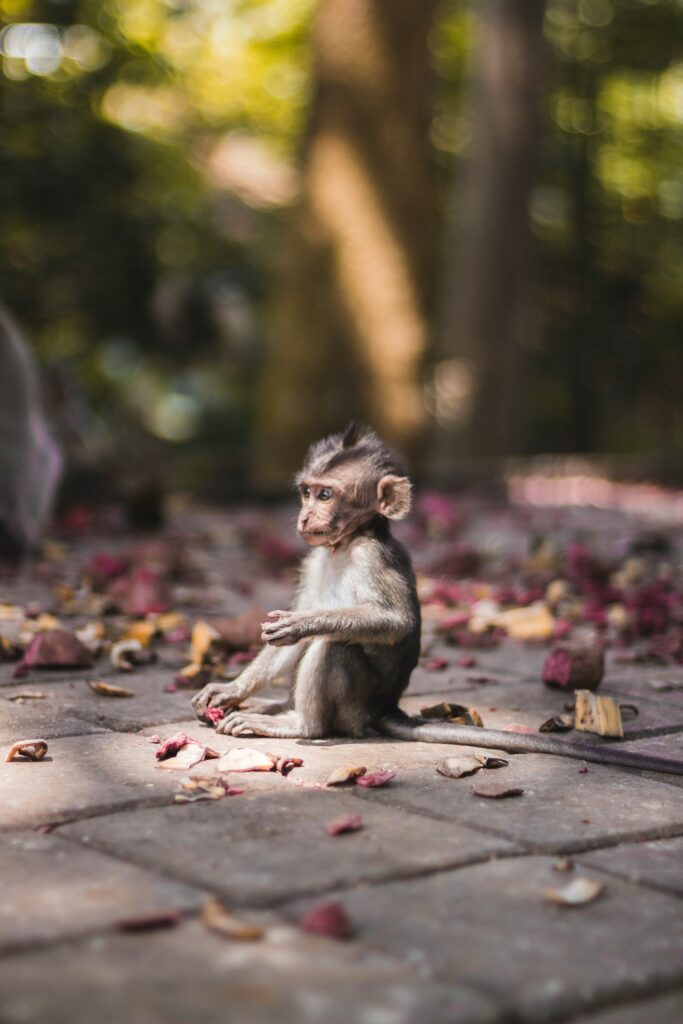
    photo by Laura Cros on unsplash


    Lopburi Nights with the Locals

    One evening I sat down at a street food stall and ended up befriending a woman selling ice cream at the next stall. She worked at a clothing shop during the day and soon had me on the back of her motorbike for an impromptu town tour. She even treated me to KFC.

    With far fewer tourists than Ayutthaya, there’s no hard selling here. People are genuinely kind and curious. That kind of unplanned human connection is what stays with you long after the trip ends.
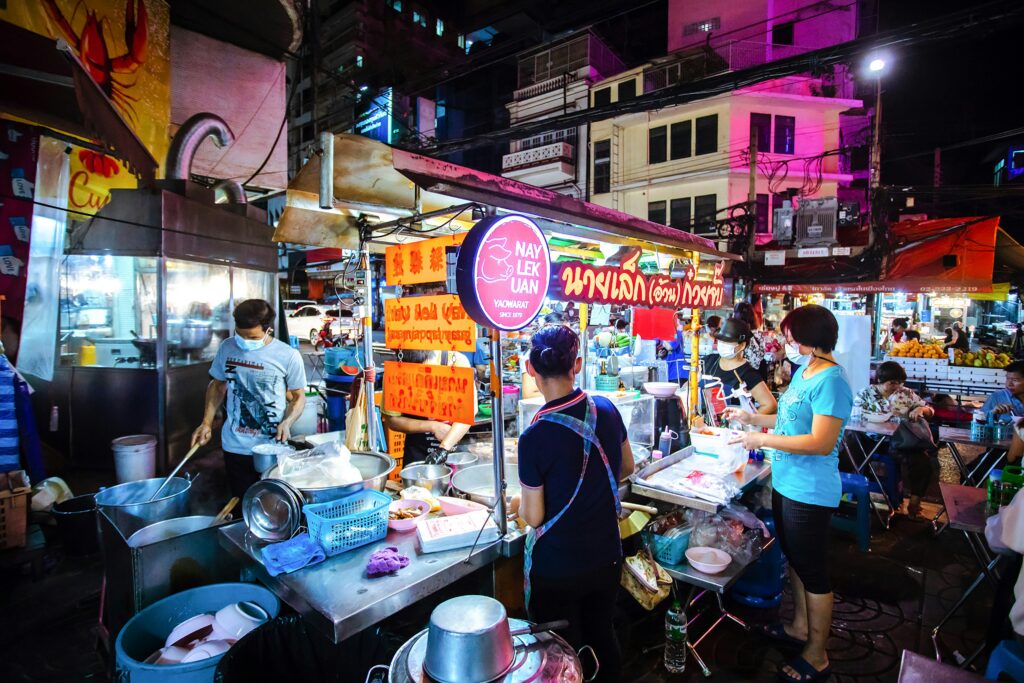
    photo by Streets of Food on unsplash

    Suggested Itinerary

    Day 1
    └ Bangkok → Ayutthaya (train, about 1-1.5hrs)
    └ Explore ruins by bicycle or motorbike
    └ Stay overnight in Ayutthaya
    
    Day 2
    └ Ayutthaya → Lopburi (train, about 1hr)
    └ Explore ruins and monkey spots
    └ Street food dinner with locals
    └ Return to Bangkok

    Who This Trip Is For

    • Travelers who want to see Thailand beyond Bangkok and Pattaya
    • History and ruin enthusiasts
    • Animal lovers
    • Those who enjoy connecting with local people
    • Anyone who finds heavily touristy areas exhausting

    Final Thoughts

    Ayutthaya offers the grandeur of a lost kingdom. Lopburi offers something harder to define — a town where history, wildlife and everyday life collide in the most unexpected ways. Both are within easy reach of Bangkok. If you have seen the tourist highlights, this is where Thailand starts to get really interesting.

    Book an Ayutthaya & Lopburi tour with Klook >>
  • Thailand Entry Rules 2026: 30-Day Visa Exemption & TDAC Guide

    Thailand Entry Rules 2026: 30-Day Visa Exemption & TDAC Guide

    *This article contains affiliate links.

    I’ve been visiting Thailand for over 20 years, around 20 trips in total. Entry rules have changed many times over the years, but 2026 brings another significant shift — a reduction in the visa-free stay period and a mandatory digital arrival card. I experienced both on my recent trip, so here’s my honest report.


    Visa-Free Stay Reduced from 60 to 30 Days

    On May 19, 2026, the Thai cabinet officially approved the abolition of the 60-day visa exemption. Japanese passport holders will now be limited to 30 days without a visa. The exact implementation date is not yet confirmed as it takes effect 15 days after publication in the Royal Gazette, but the change is coming soon.

    The reason behind the change

    The crackdown targets illegal employment, organized crime, and overstaying — all of which increased under the more generous 60-day policy.

    Extensions are still possible

    You can apply for an additional 30-day extension at a Thai immigration office after arrival. So the maximum stay of 60 days (30 days initial + 30 days extension) remains possible. Anyone planning to stay longer than 30 days should either obtain a tourist visa before leaving Japan or handle the extension process in Thailand.


    What is TDAC?

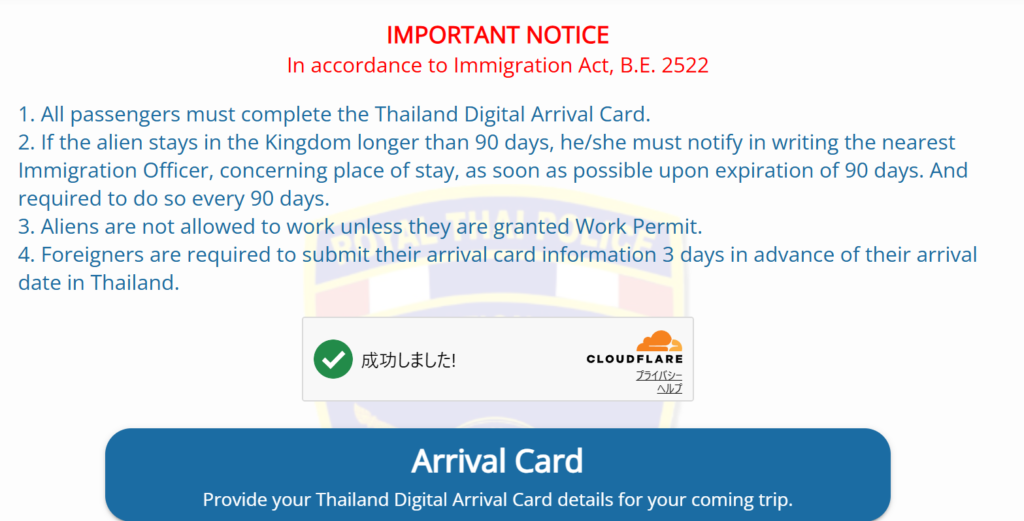
    Since May 1, 2025, the old paper arrival card (TM.6) has been replaced by an online pre-registration system called TDAC (Thailand Digital Arrival Card). It is mandatory for all foreign nationals entering Thailand by air, land, or sea.


    My Real Experience Registering for TDAC

    I registered for TDAC before my recent trip, so here’s what actually happened.

    Registration is easy on a smartphone

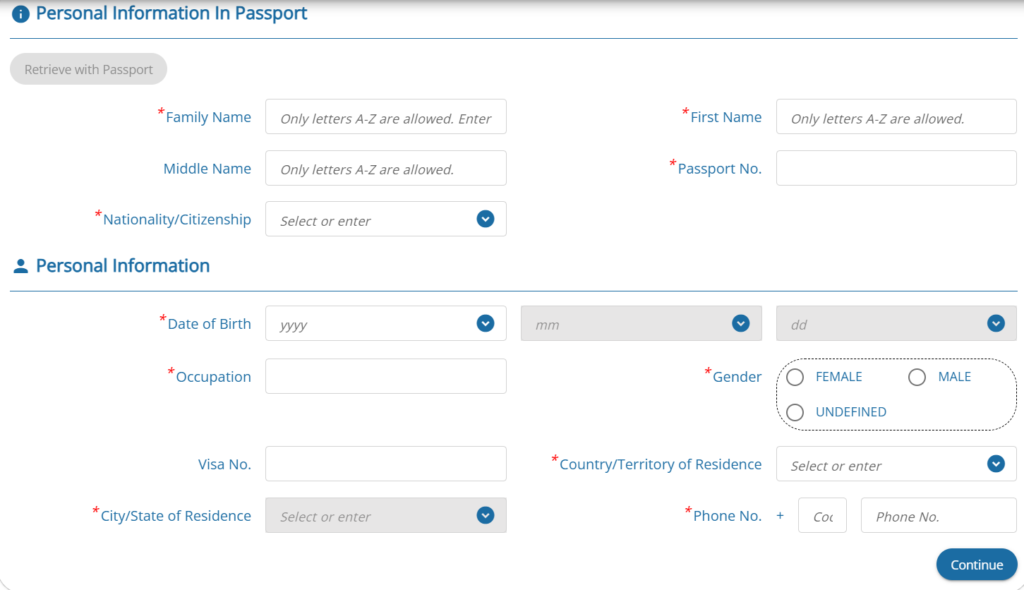
    Just visit the official website and fill in the same kind of information you used to write on the paper arrival card — passport details, flight information, accommodation, and so on. After submitting, a permit is sent to your registered email address. Save it or take a screenshot.

    When to register

    Registration opens 72 hours (3 days) before your arrival in Thailand. Note that the arrival day itself is counted as one of those days.

    What actually happened at immigration

    I showed my passport and the permit screen on my smartphone to the immigration officer. Honestly, the officer barely looked at the phone screen. Overall the process felt smoother than filling out a paper card on the plane or after landing.


    How to Spot Fake TDAC Websites

    The official site warns about fraudulent websites. But honestly, it can be hard to tell which sites are legitimate in the first place. Here’s how to protect yourself.

    • TDAC registration is completely free. Any site charging a fee is not official
    • The official URL is tdac.immigration.go.th
    • Paid “assistance” services appearing in search engine ads are likely unofficial
    • The safest approach is to follow links directly from the Thai Embassy or Tourism Authority of Thailand official websites

    Pre-Trip Checklist

    Up to 72 hours before departure
    └ Register TDAC on the official website
    └ Save the permit email or screenshot it
    
    Check your stay length
    └ 30 days or less → visa-free entry OK
    └ 31 days or more → get a tourist visa
       or extend after arrival
    
    At immigration
    └ Present passport + permit screen

    Get a Thailand eSIM before arrival with Airalo >>

    Thailand’s entry rules can change with little notice. Always check the latest information on the Thai Embassy or Tourism Authority of Thailand official website before departure.

  • How to Use Grab in Thailand: No More Taxi Haggling or Stress (20-Year Visitor Tips)

    How to Use Grab in Thailand: No More Taxi Haggling or Stress (20-Year Visitor Tips)

    *This article contains affiliate links.

    I’ve been visiting Thailand for over 20 years, around 20 trips in total. All that time, I was exhausted by taxi negotiations and traffic jams. Taxi drivers refusing to use the meter. Drivers refusing passengers heading into congested areas. Standing outside the hotel trying to flag down a taxi or motorbike taxi, wasting precious time. This was just part of traveling in Thailand.

    This trip, I finally used Grab properly. And honestly, I was blown away. I had no idea it had evolved this much.


    What is Grab?

    Think of it as Southeast Asia’s version of Uber. It’s a ride-hailing app that lets you book cars and motorbikes from your smartphone, and it’s now widespread across Thailand and the rest of Southeast Asia. As of 2026, Thailand has tightened regulations requiring private vehicles to be properly registered for commercial use, making the service even safer than before.

    Get a Thailand eSIM before arrival with Airalo >>


    What Genuinely Impressed Me

    You can book before you even leave your hotel room

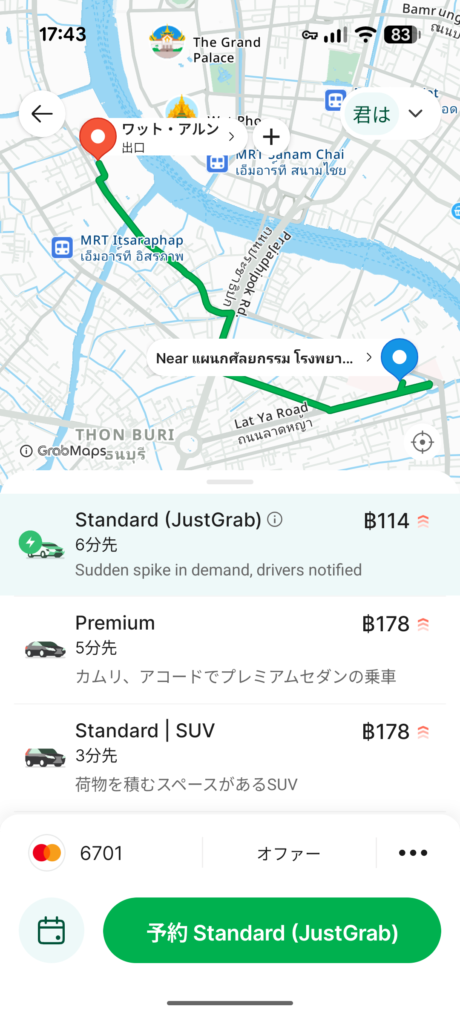
    This was the biggest surprise. I’d open the app, book a ride from my room, take the elevator down, walk to the entrance — and the driver was already there waiting. Almost zero wait time. This happened multiple times.

    No price negotiation, no explaining where you’re going

    The fare is locked in at the time of booking. The destination is already in the app — no need to explain anything to the driver. Zero risk of being overcharged. Cashless payment when you arrive. I’ve never had such a stress-free travel experience.

    Real-time tracking

    You can watch the driver approaching on the map in real time. If they can’t spot you, they’ll contact you via chat or voice call. No language barrier required.

    Choose your vehicle type

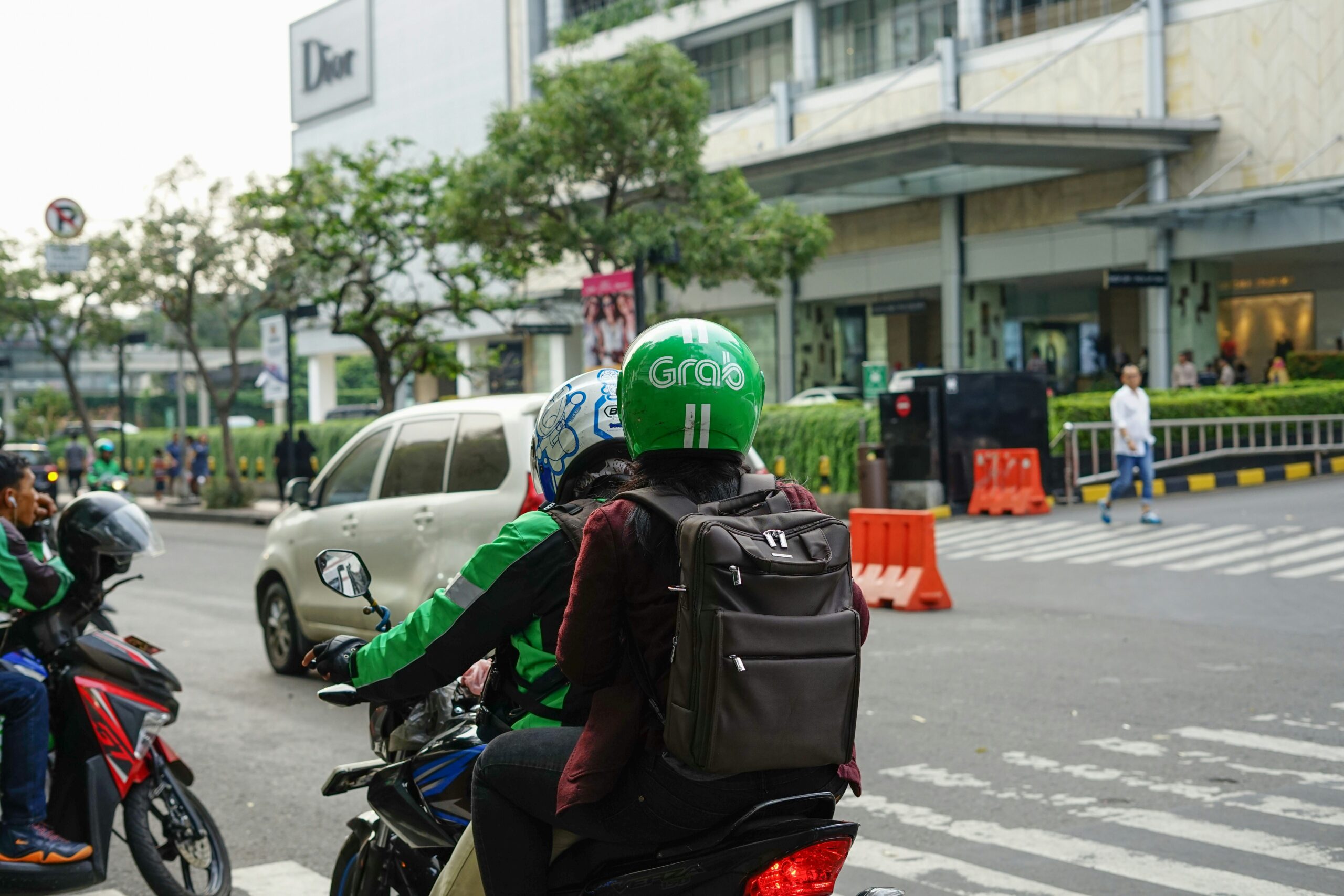
    Bangkok and Pattaya traffic can be brutal. If you’re traveling solo, a motorbike taxi is by far the fastest option. I even rode three-up a few times this trip. Cars, motorbikes, vans — you can choose based on your group size and needs.


    Comparison with Other Transport Options

    TransportCostConvenienceNotes
    GrabMedium★★★★★Safe, reliable, transparent pricing
    Regular TaxiLow-Med★★★☆☆Meter refusal and route rejection common
    SongthaewVery cheap★★☆☆☆Fixed routes, tricky for tourists
    Tuk-tukHigh (negotiated)★☆☆☆☆Tourist attraction, not practical transport

    Things to Watch Out For

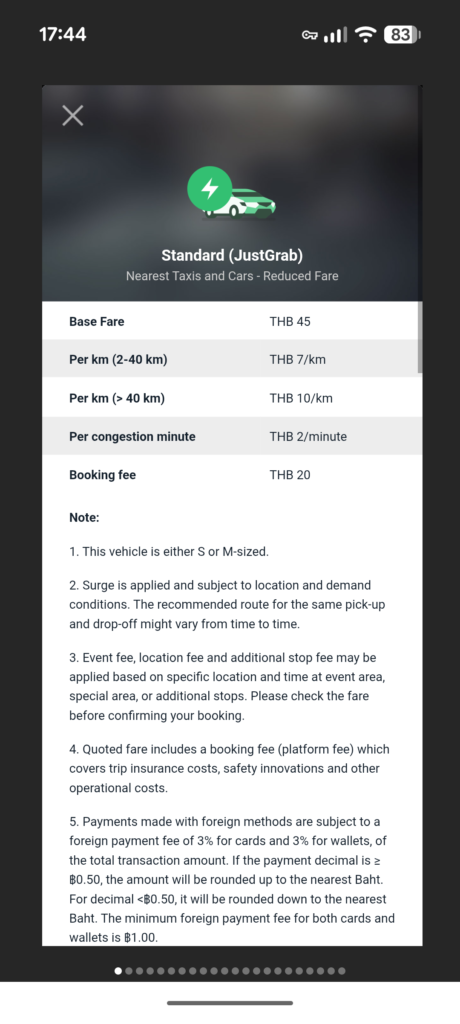
    • During peak hours (rush hour, rainy days) surge pricing can multiply the fare several times. If it looks too expensive, wait a few minutes or compare with competitor apps like Bolt
    • If the driver takes the expressway, the toll (around 50-75 baht) is paid by the passenger separately
    • At large shopping malls with multiple exits, send the gate number to your driver via chat to avoid confusion

    Grab Food Has Taken Over Too

    Grab delivery riders are everywhere — on the streets, inside fast food restaurants, all over the city. Thai people routinely order group meals through Grab Food, and with frequent promotions running, it’s become completely embedded in daily life. Thailand doesn’t have a strong home cooking culture, and Grab has filled that gap entirely. It’s infrastructure now.


    There’s No Reason Not to Use Grab in Thailand

    After so many trips, I’d gotten tired of negotiating transport and dealing with traffic. I’d started relying mostly on the BTS and subway. But this trip changed my thinking.

    No language barrier. No haggling. No waiting around. It’s the most comfortable way to get around. Download the app and complete SMS verification before you leave — you can set it up after arriving too, but you’ll need Wi-Fi or a local SIM card. Getting it ready in advance makes everything smoother.


    Final Thoughts

    Grab has changed what it means to travel in Thailand. The era of transport negotiation is over.

  • Bangkok to Pattaya Travel Guide: Why You Must Visit This Beach Resort

    Bangkok to Pattaya Travel Guide: Why You Must Visit This Beach Resort

    *This article contains affiliate links.


    I Wasted My First Trip to Thailand by Only Visiting Bangkok

    I’ve been to Thailand over 20 times. And every time I see tourists heading straight back home after only visiting Bangkok, I think the same thing — what a waste. Just two hours from Bangkok lies Pattaya, a city that shows a completely different side of Thailand.


    Getting from Bangkok to Pattaya

    Take a direct bus from Ekkamai Bus Terminal — about 2 hours and very affordable. Even first-timers can manage it easily. For getting around Pattaya, songthaews (shared trucks, from 15 baht) and ride-hailing apps like Grab and Bolt are convenient and reliable.


    Hotels in Pattaya

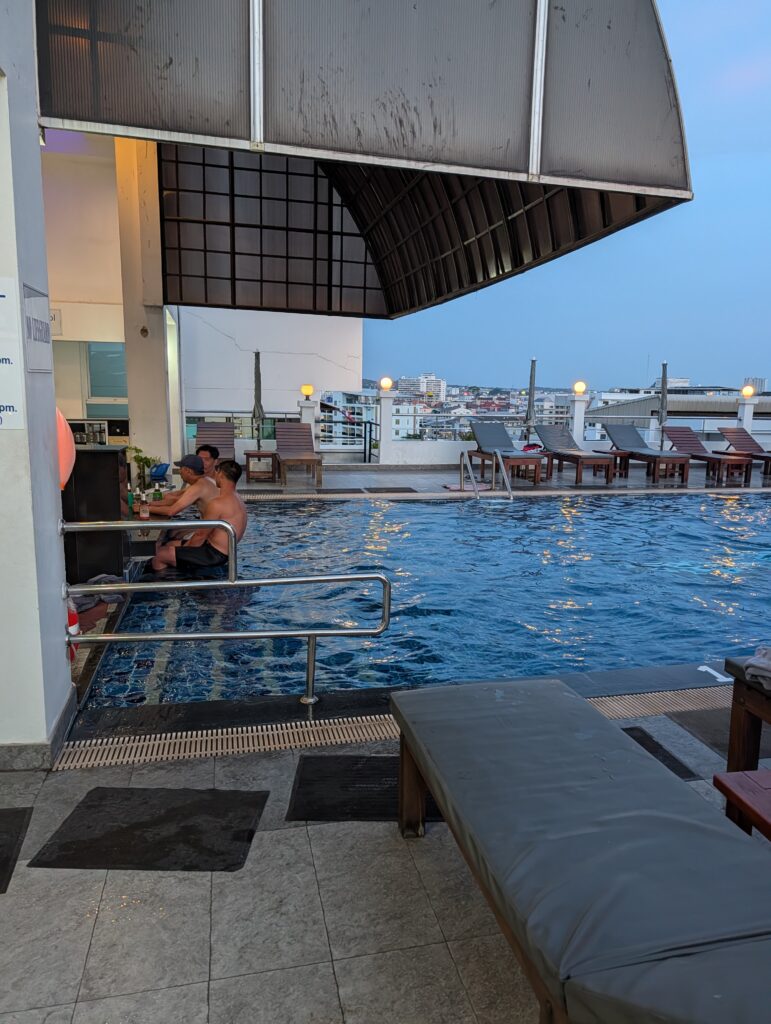
    Pattaya has options for every budget, from cheap guesthouses to luxury resorts.

    • For nightlife: Stay along the songthaew routes for easy access to everything
    • For relaxation: Choose a resort with a pool away from Walking Street and the main strip
    • For island lovers: Koh Larn has hotels too — staying overnight lets you enjoy the island at a deeper level

    Find the best hotel deals in Pattaya with Klook >>


    What I Did in Pattaya

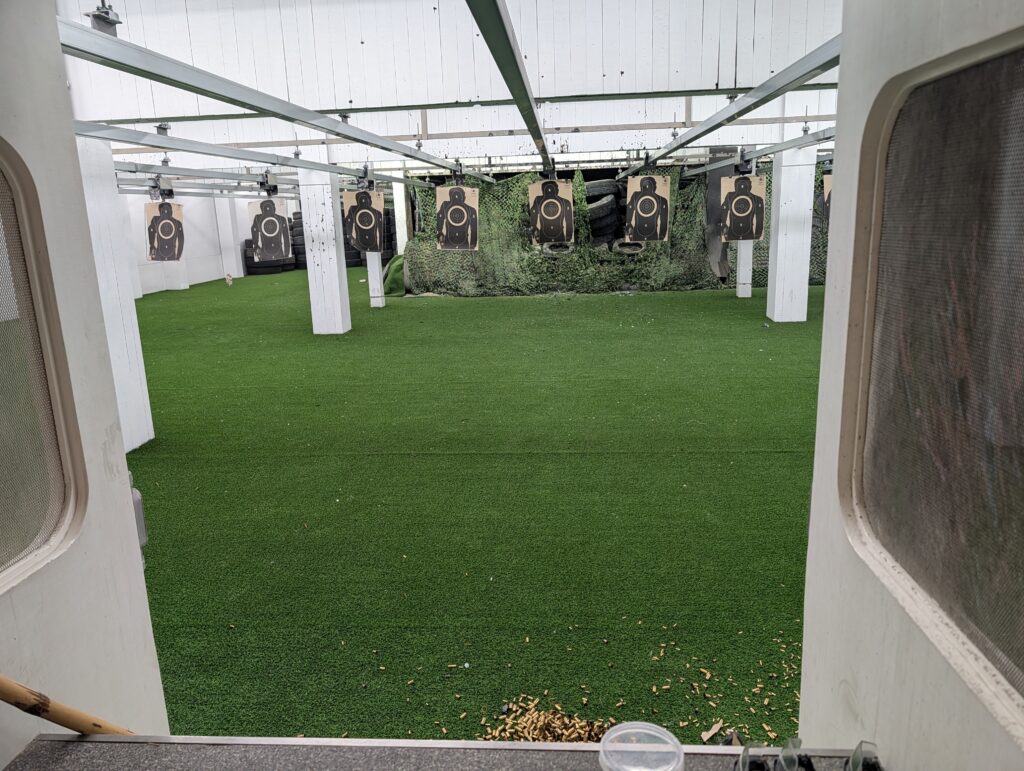
    Shooting Range You can’t shoot real guns in Japan. Thailand has shooting ranges across the country, but Pattaya has some of the best. TACTICS AND GUN SHOOTING RANGE is one of Asia’s largest, with a wide variety of weapons and tactical scenarios. Must be 20 or older. Bring your passport. Wear sneakers, not sandals.

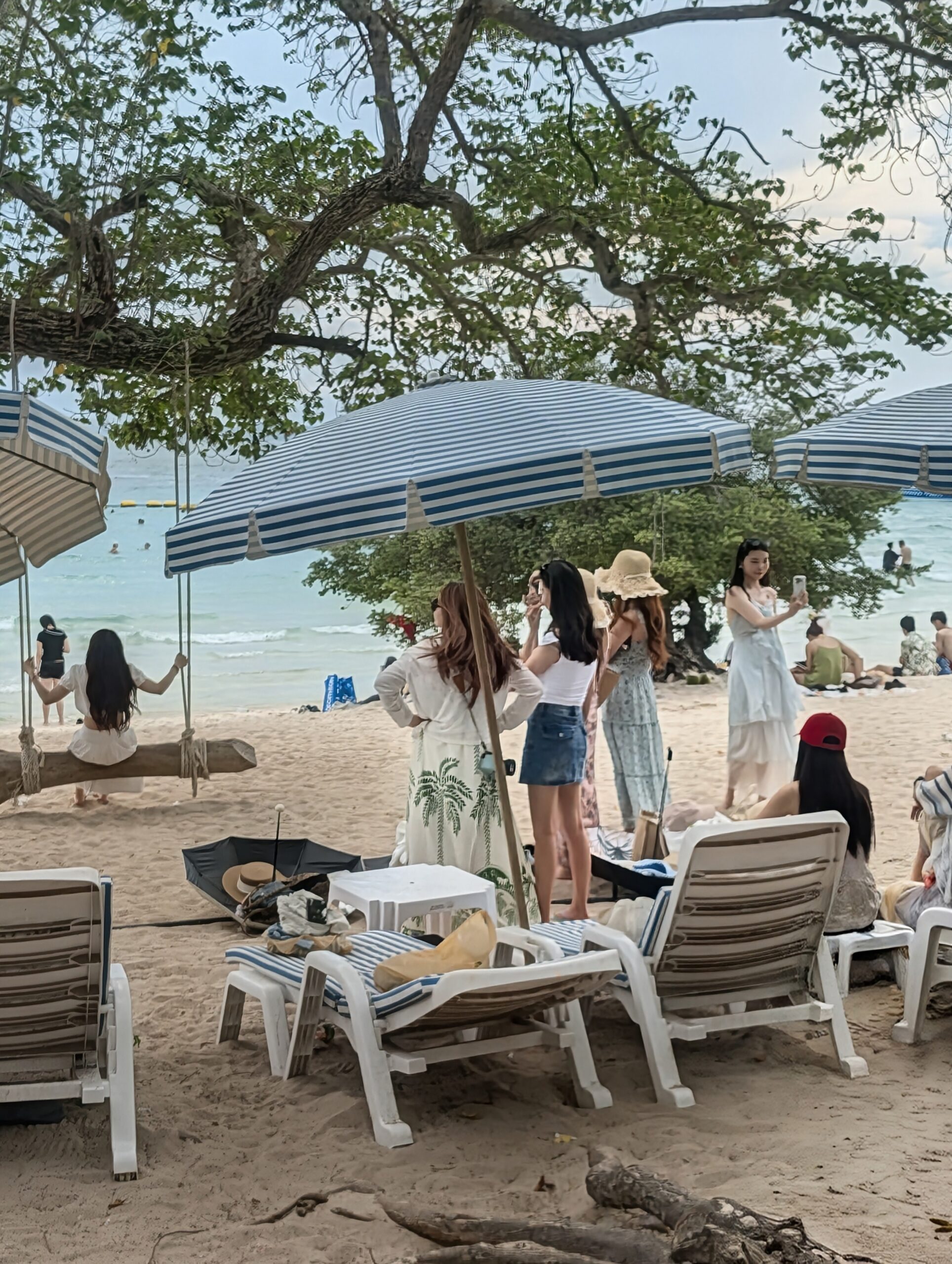
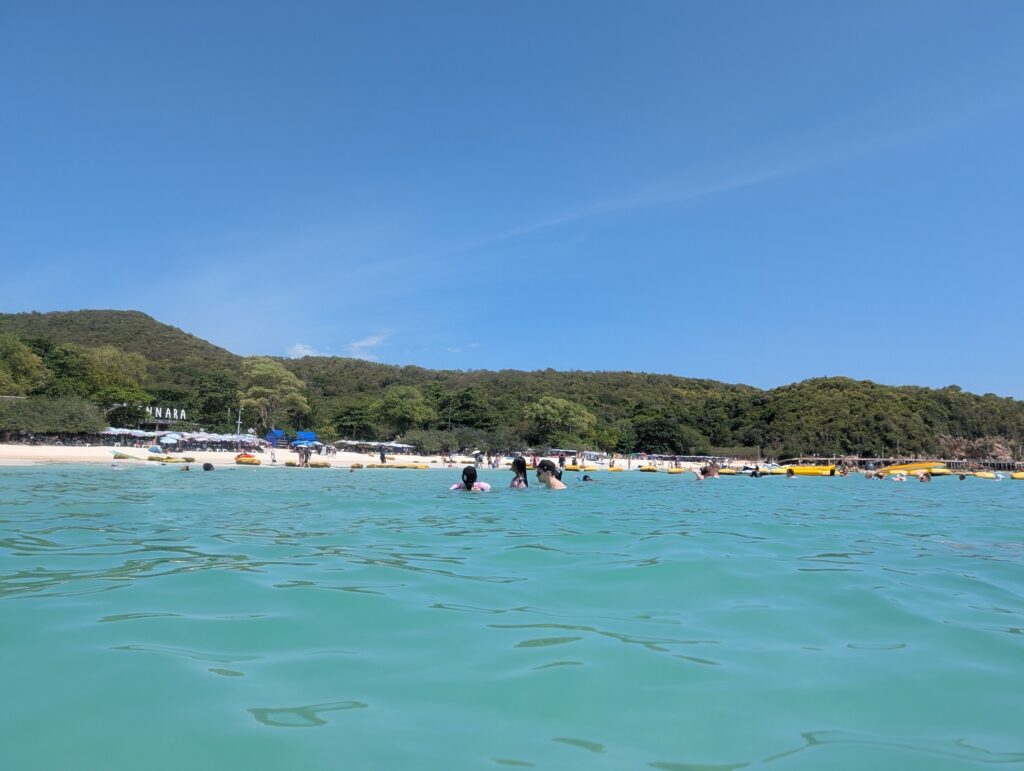
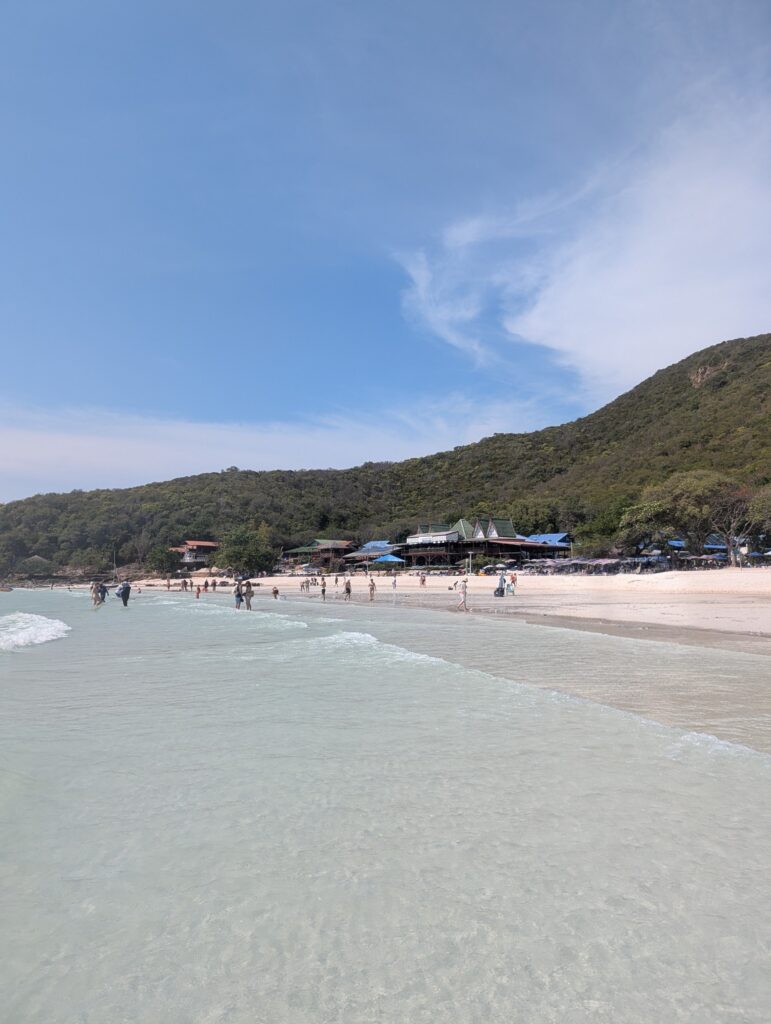
    Koh Larn Island Take the public ferry from Bali Hai Pier — about 30-40 minutes and only around 30 baht one way. Crystal clear water perfect for snorkeling, parasailing and jet skiing. Tawaen Beach is lively with activities while Samet Beach is quieter for those who want to relax. Consider staying overnight on the island for a deeper experience.

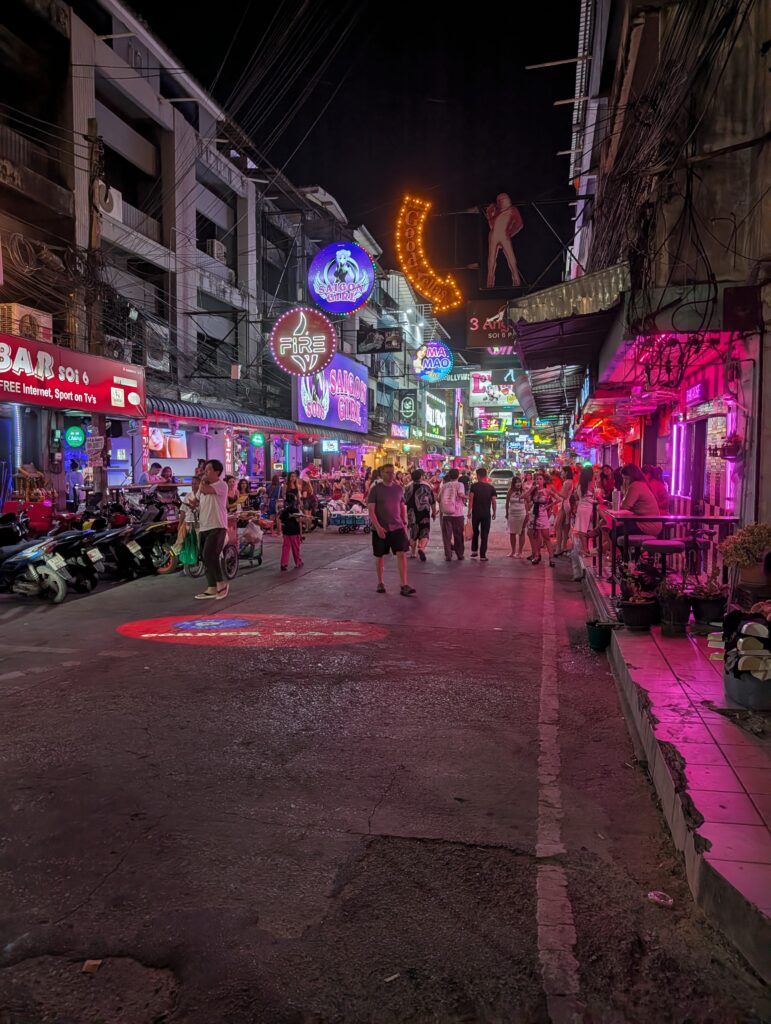
    Walking Street At night this becomes a pedestrian zone filled with neon lights, go-go bars and clubs. Love it or hate it, it’s worth seeing at least once. Be firm with aggressive touts, keep valuables secure in the crowds, and always check prices before ordering.

    Tree Town (Soi Buakhao) There’s a street food court at the entrance with cheap and delicious Thai food. Surrounding it are rows of beer bars packed with people. At night this place gets even more lively than Walking Street according to many regulars. Popular with long-term Western expats — this is the real, raw nightlife of Pattaya.

    Roti and Pad Krapow Street food in Pattaya is cheap and incredible. Don’t miss the roti and pad krapow (Thai basil stir fry). Eating at street stalls is one of the great joys of Pattaya.


    The Best Part of Bangkok

    The massage parlors in the Taniya area are world class. Japanese is spoken here and you can get traditional Thai massage in a relaxed, comfortable setting. After walking around all day, melting into a massage chair is the true highlight of Bangkok for me.


    My Honest Regret About Going in May

    It was too hot. I even gave up on golf. If you’re planning a trip to Thailand, November to February (dry season) is by far the best time to visit. Everything — sightseeing, food, outdoor activities — becomes so much more enjoyable. Even for repeat visitors like me, May is tough.


    Safety Tips

    • Avoid walking alone late at night
    • Never accept drinks from strangers
    • Keep bags in front of you in crowded areas

    Who Should Visit Pattaya

    • Travelers who have already been to Bangkok
    • Those who want a resort-style holiday
    • Anyone looking for unique experiences
    • Nightlife lovers
    • Budget travelers and luxury seekers alike

    Who Should Stick to Bangkok Only

    • First-time visitors to Thailand
    • Those with limited time
    • Travelers focused on shopping and gourmet food

    Final Thoughts

    Bangkok is a city trip. Pattaya is a resort stay. With 6 days you can comfortably enjoy both. Next time I’m coming back in the dry season for golf and Koh Larn. If you leave Thailand having only seen Bangkok, you’re missing half the story.

    Get travel insurance with World Nomads >>