This article contains affiliate links.
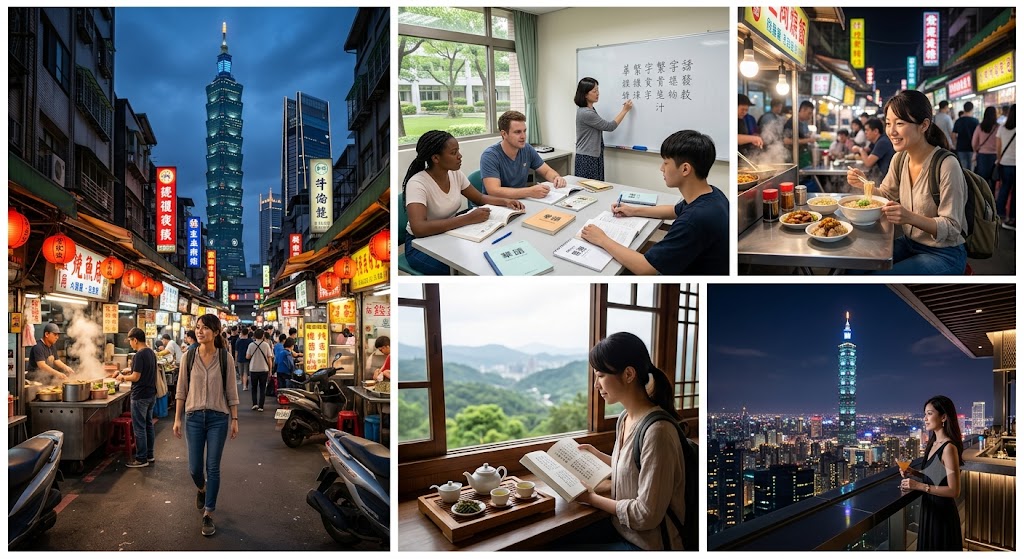
Having lived in Taipei while studying there, I’ve learned which spots are genuinely worth your time. Out of 30+ countries I’ve traveled, Taipei stands out for its unbeatable combination of food and relaxation culture. Here’s my honest, experience-based guide to help you make the most of a limited trip.
1. Trip Prep: What You Need to Know Before You Go
Taipei is easy to reach and easy to navigate, but a few practical details make a real difference.
eSIM is now the standard. In 2026, most travelers to Taiwan use eSIM instead of physical SIM cards. Setting it up before you land means you skip the SIM counter line entirely at Taoyuan Airport.
Skip the SIM counter — set up your Taiwan eSIM in minutes with Airalo >>
Cash still matters. Despite growing cashless adoption, night market stalls, local eateries, and traditional markets often accept cash only. Carry both a card and cash.
Chinese New Year changes everything. This surprised me the most while living there: during the week-long Chinese New Year period, most shops, restaurants, and night markets close. Convenience stores are often the only thing open. If your dates are flexible, avoiding this period (mid-February in 2026) will save you a lot of frustration.
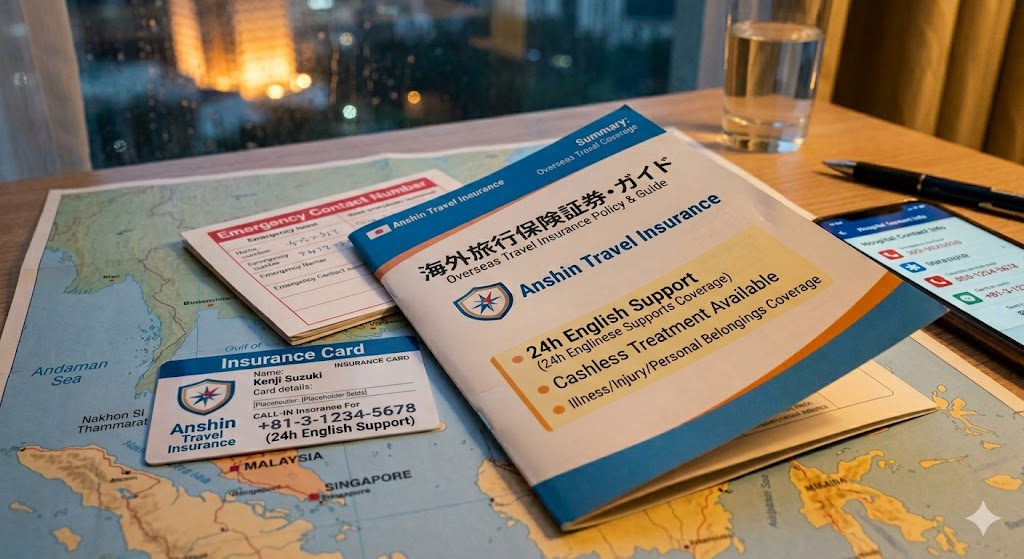
A no-annual-fee travel card with built-in insurance is worth having before you go.
Travel with peace of mind — get flexible travel insurance from World Nomads >>
2. Taipei’s Most Memorable Spots
Having explored the area extensively while living there, my take is: be selective.
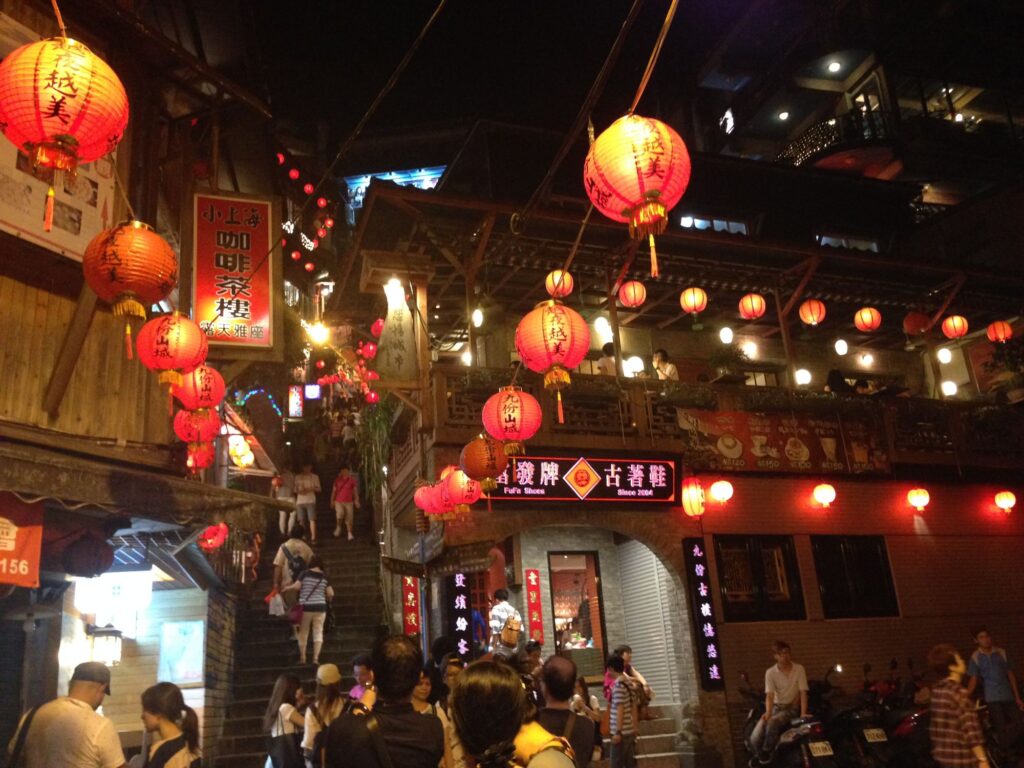
Jiufen: still worth it despite the crowds
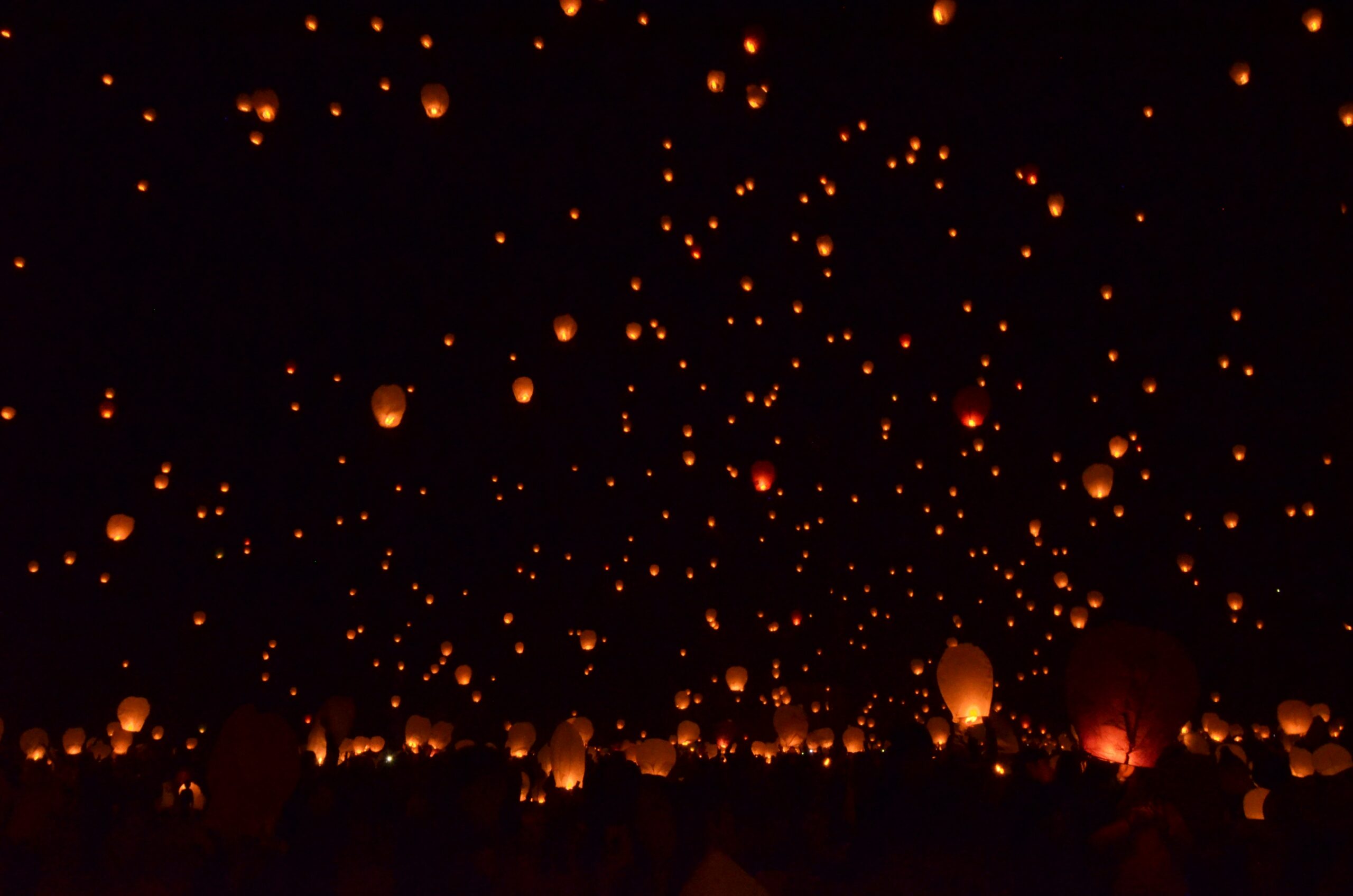
If you only add one day trip, make it Jiufen. The lantern-lit stone stairways at dusk are genuinely striking, even with the crowds. Tea houses overlooking the mountains and coast offer a quiet contrast to Taipei’s city energy. It does suffer from overtourism, but a weekday evening visit helps.
Getting there independently involves bus transfers and long queues on the way back, so a shuttle tour can save time and hassle.
Skip the bus queues — book a Jiufen shuttle tour on Klook >>
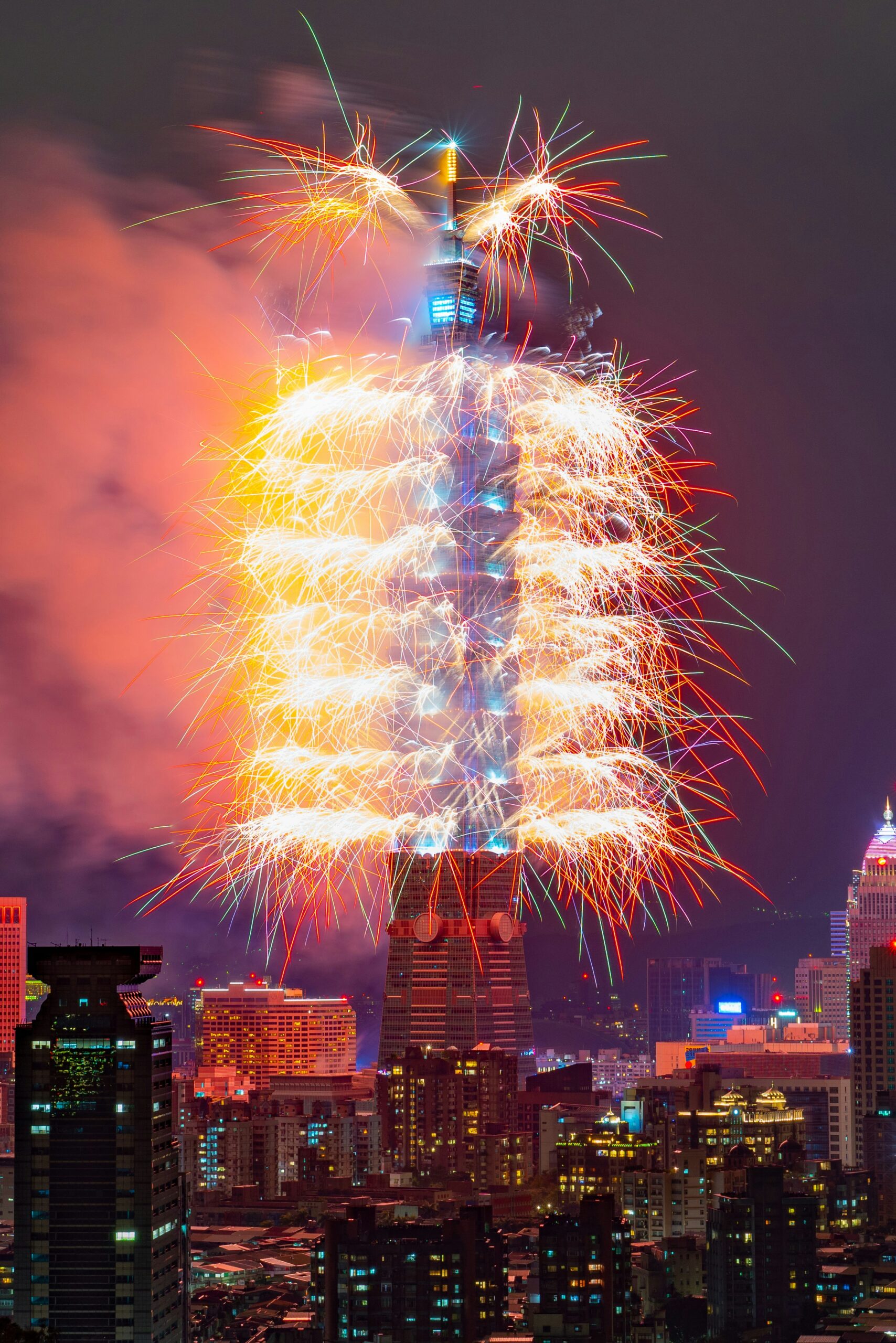
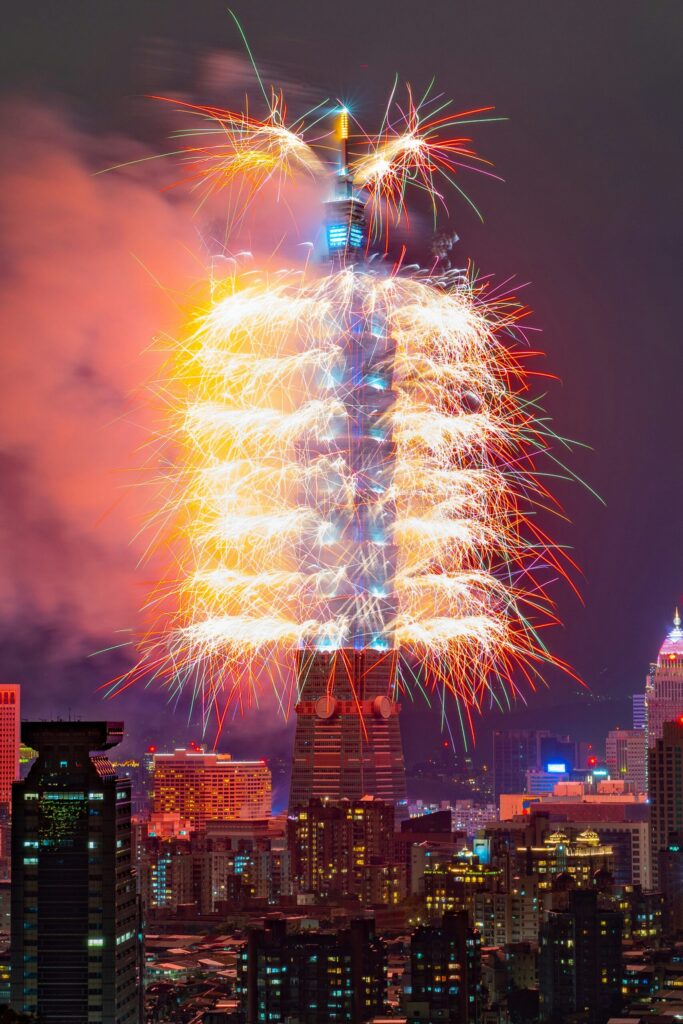
Taipei 101: the New Year’s fireworks are unforgettable
I watched the New Year’s Eve countdown fireworks launch directly from Taipei 101 itself, and it’s genuinely spectacular. Buildings like the Burj Khalifa in Dubai do similar fireworks displays, but at 508 meters, Taipei 101 holds its own. If you’re in Taipei around New Year’s, it’s worth planning around. Expect heavy crowds, so claim your spot early.
Dihua Street: the herbal medicine district
Lined with dried goods and traditional Chinese medicine wholesalers, Dihua Street preserves an older side of Taipei you won’t find elsewhere in the city. I once bought traditional herbal tonics and a qipao dress here as gifts for friends — a bit unconventional, but memorable. It’s a great alternative to the usual pineapple cake souvenirs.
Tamsui: a film memory I still carry with me
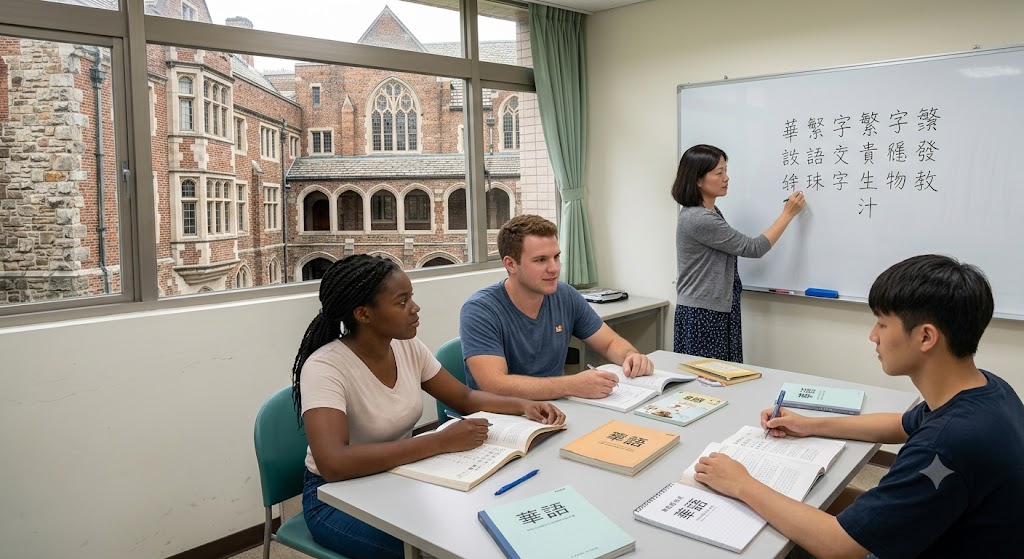
Walking the old street, trying ah-gei and iron eggs, and watching the sunset from a bench along the river offers a quieter contrast to central Taipei. Tamsui also holds a memory I won’t forget. During my time studying there, a teacher once showed our class her favorite film: “Secret,” starring Jay Chou. It was entirely in Mandarin, and I didn’t understand every line, but I got completely pulled into the story anyway — and found myself in tears by the end. The film was shot at Tamkang High School, right here in Tamsui, and visiting it in person carried real weight for me. It later got a Japanese remake starring Taiga Kyomoto. If you’re a fan of Taiwanese cinema, it’s worth the pilgrimage.
The zoo is well-maintained but not meaningfully different from zoos back home — if your time is limited, that’s an easy one to trade for more food and relaxation time.
3. Taipei Food: What I Kept Coming Back For
Taipei’s food scene ranges from street-level classics to all-you-can-eat culture.
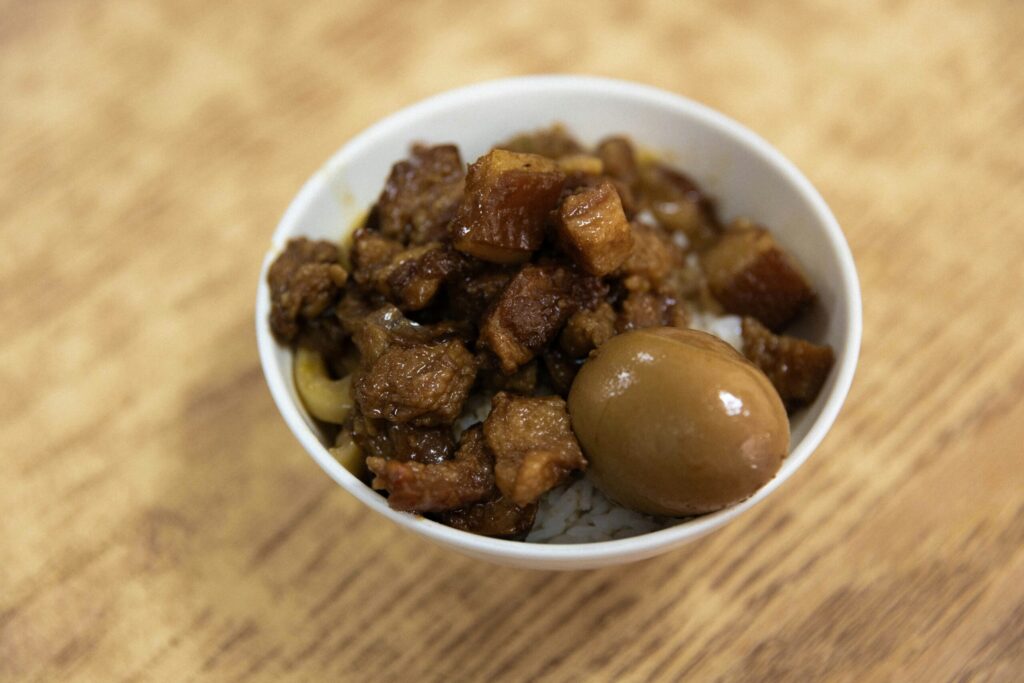
Start with braised pork rice at Formosa Chang. Lu rou fan (braised pork rice) varies from shop to shop, but the long-running chain Formosa Chang (鬍鬚張) is a solid benchmark. The sweet-savory braised pork over rice is a perfect quick bite between sightseeing stops.
Beef noodle soup and soup dumplings are non-negotiable. Beef noodle soup varies significantly in broth style from shop to shop. Xiaolongbao (soup dumplings) are worth queuing for at famous spots, but neighborhood dumpling shops are often just as good.
Stinky tofu is better than it smells. The infamous stinky tofu smells intense at night markets, but fried and served with sweet chili sauce and pickled cabbage, it’s far more approachable than the smell suggests. Consider it a rite of passage.
Solo hot pot and all-you-can-eat culture. Taipei has plenty of individual-portion hot pot restaurants, ideal for solo travelers. All-you-can-eat hot pot, shabu-shabu, and yakiniku restaurants are also everywhere and generally more affordable than in Japan.
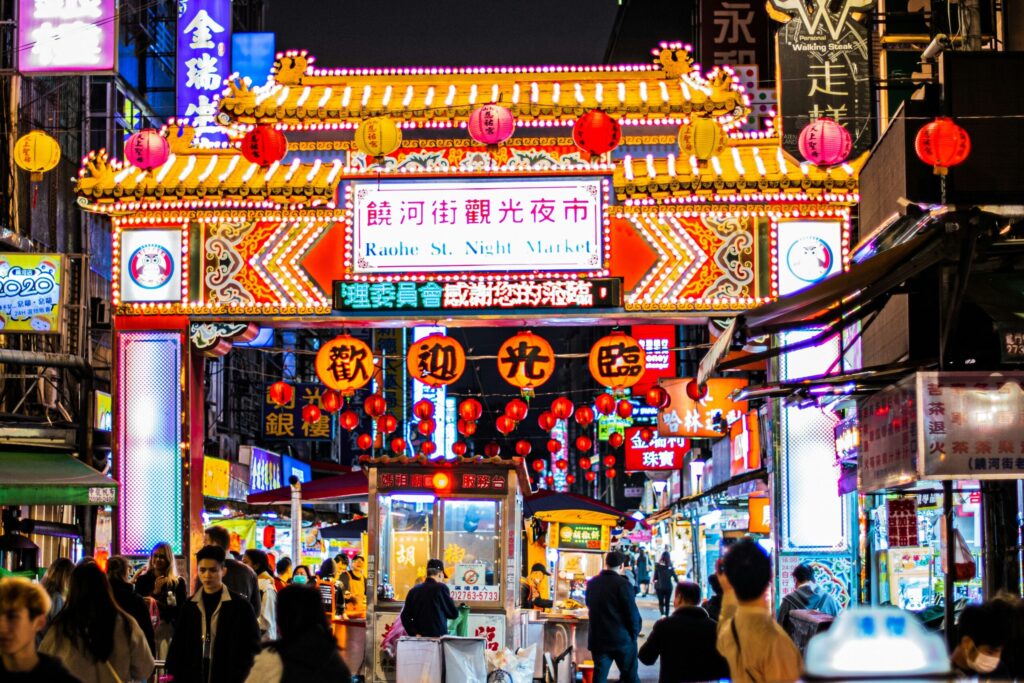
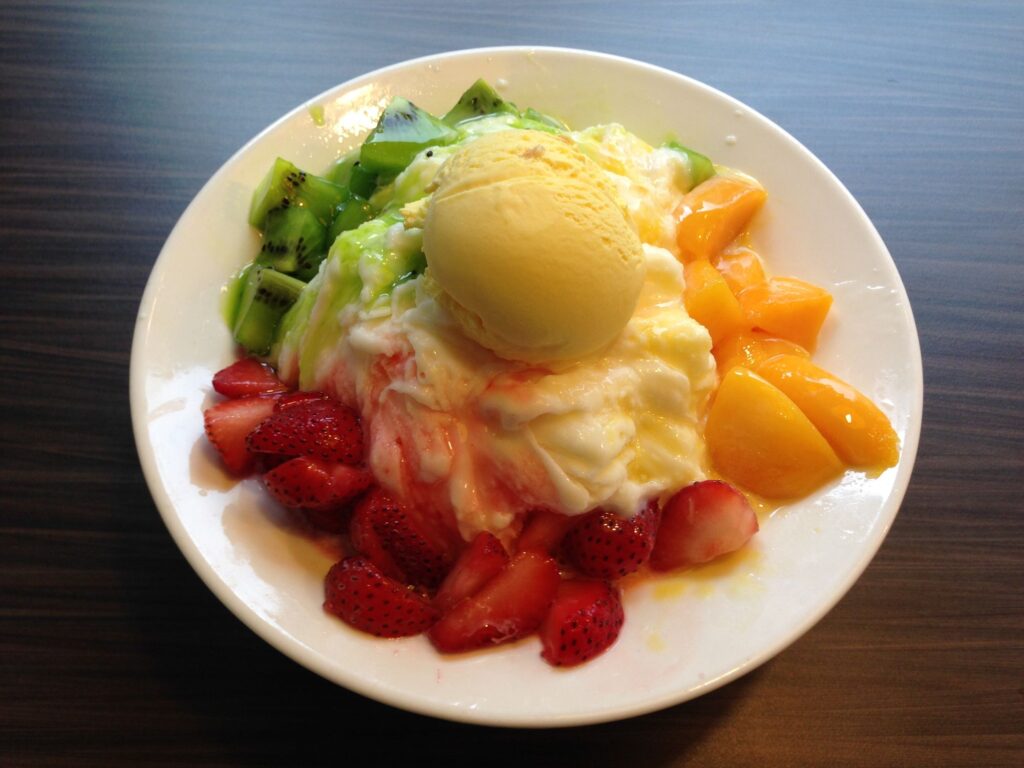
Shilin or Ningxia — pick your night market. Taipei has many night markets, but Shilin wins on scale and variety, while Ningxia is more food-focused and manageable. Finish with a mountain of shaved ice or douhua (tofu pudding) for the full experience.
Japanese-style ramen and maid cafes exist too. Taipei has a surprising number of Japanese-style ramen shops with genuinely high quality, plus maid cafes — an interesting look at how Japanese pop culture has taken root locally.
Pineapple cake remains the classic souvenir — buttery, tangy, and easy to eat far more of than you planned.
4. Taiwanese-Style Relaxation: Hair Washing, Massage, and Hot Springs
Recovery culture in Taipei is a real highlight.
Try a Taiwanese-style hair wash at a barbershop. One of my regular routines while living there was getting a Taiwanese-style shampoo at a barbershop — a seated scalp wash and massage that’s both affordable and deeply relaxing.
Massage quality is consistently high. From foot reflexology to full-body massage, Taipei’s massage scene is technically excellent and widely available, including near night markets.
Beitou hot springs are a swimsuit-style tradition all their own. The public open-air pools at Beitou (Millennium Hot Spring) require swimwear, distinct from the private nude-bathing style found at Taiwan’s traditional hot spring hotels. It’s a relaxed, sociable way to enjoy the springs with friends or family, and it’s been a beloved local tradition for decades.
As of 2026, the Millennium Hot Spring is closed for renovation, with reopening expected around late July 2026, reportedly including a new Japanese-style cherry blossom bathing area. Check current status before visiting. If you’d prefer a private, quieter nude-bathing experience, book a day-use private bath at one of Beitou’s hot spring hotels instead.
From 101-view rooms to Zhongshan stays — compare Taipei hotels on Booking.com >>
5. Where to Stay and How to Fly
Taipei’s hotels range from five-star properties near Taipei 101 and Zhongshan to affordable options near MRT stations. For New Year’s fireworks, book a room with a 101 view; for food and nightlife, Zhongshan/Shuanglian is convenient. I lived in the Zhongshan area myself, and it offered easy MRT access to everywhere along with plenty of food options.
Compare flights to Taipei — search fares on Trip.com >>
Final Thoughts: Go Deep, Not Wide
My takeaway from living in Taipei: don’t try to see everything. Cover Jiufen, Taipei 101, Dihua Street, and Tamsui, then spend the rest of your time eating your way through night markets and treating yourself to massages and hair washes. That’s the combination that captures what makes Taipei special. Just plan around Chinese New Year, and you’ll have a great trip.
From night market food tours to Jiufen day trips — book Taipei experiences on Klook >>