This article contains affiliate links.
If you’re taking the Shinkansen between Tokyo and Osaka, consider getting off at Nagoya.
Not as a destination in its own right — that’s a different argument. But Nagoya sits in the middle of the Golden Route, so you’re passing through anyway. And if you have a day to spare, there’s a town thirty minutes away by train with two National Treasures in it.
The town is Inuyama. I’ve been many times, mostly because there’s a festival I go to every year and a reason to return each season.
I’ll put the conclusion up front: stay the night. I’ll explain why at the end.
Nagoya Castle, or Inuyama Castle?
Let’s be clear about one thing. On size, Nagoya Castle wins easily. Golden dolphins on the roof, exactly the Japanese castle you have in your head.
But the Nagoya Castle keep is a post-war concrete reconstruction, and it’s currently closed to the public over seismic safety concerns.
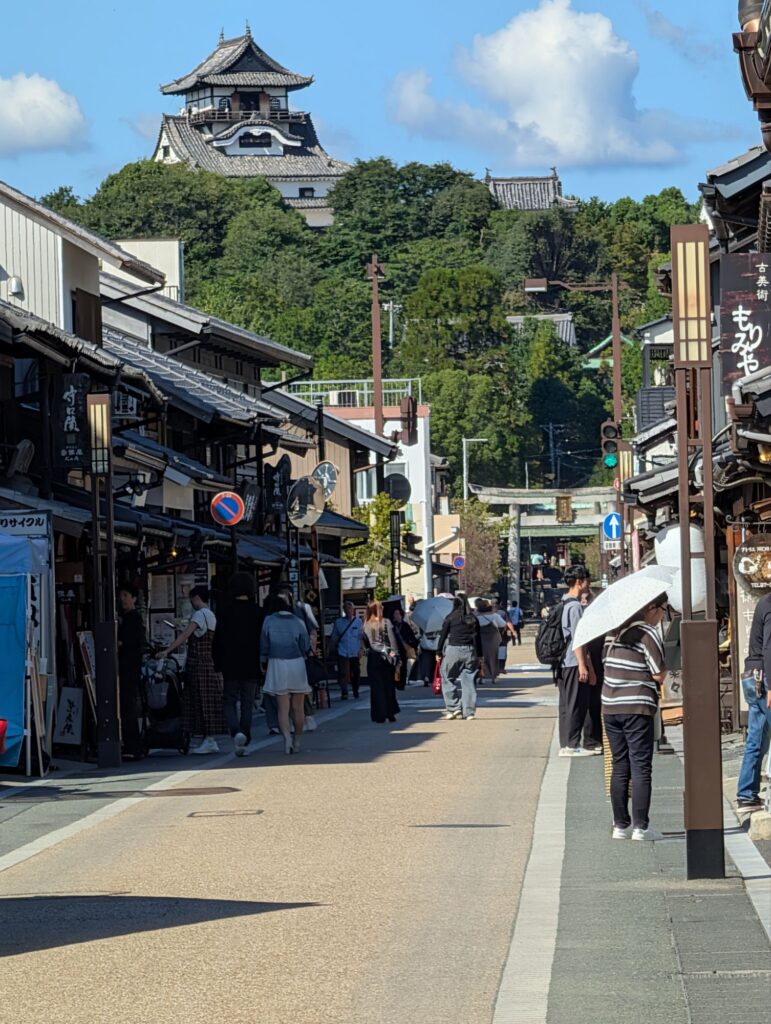
Inuyama Castle is an original. The wooden keep predates the Edo period and has survived intact — one of only five such castles in Japan. Himeji, Matsumoto, Hikone, Matsue, and Inuyama. Inuyama is the only one within day-trip range of Nagoya.
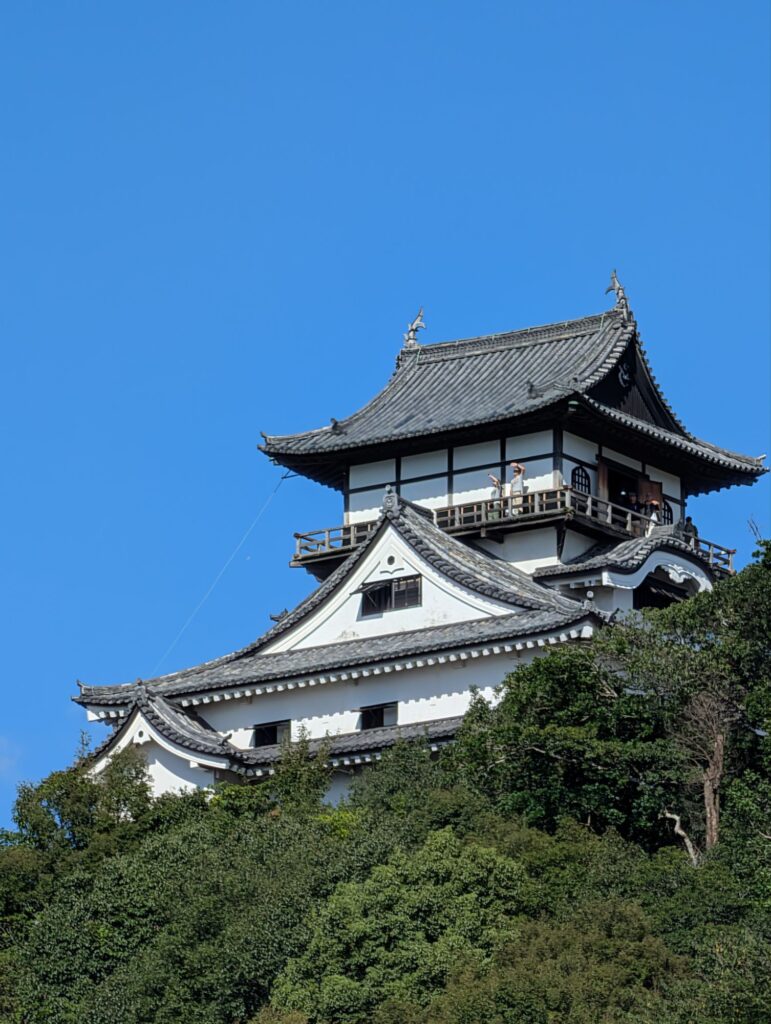
Honest impression from climbing it: the interior is surprisingly small. If you’re picturing Himeji, you’ll feel short-changed. But that’s the point. The keep is compact because it was built before castles started scaling up.
The top floor has a balcony that runs right around the outside, looking over the Kiso River and the Nobi Plain. The railing is genuinely low. The “it’s scary” comments online aren’t an exaggeration. I was fine, but if heights bother you, don’t force yourself outside — the view from indoors is enough.
The entry fee just doubled
Worth knowing before you go. As of 1 March 2026, admission went from ¥550 to ¥1,000. Close to double.
The reasons are clear enough. Fire and disaster prevention work on the keep, historic-site maintenance, and — this is the interesting part — too many visitors. 650,000 people came in 2024, and over 690,000 in 2025, a record. Wooden buildings wear down just from people walking on them. Floors and stairs take the load. The castle also has its 100th anniversary as a National Treasure coming in a decade, and its 500th year of existence two years after that.
A thousand yen makes you pause. But it’s a maintenance fee for something that has to last.
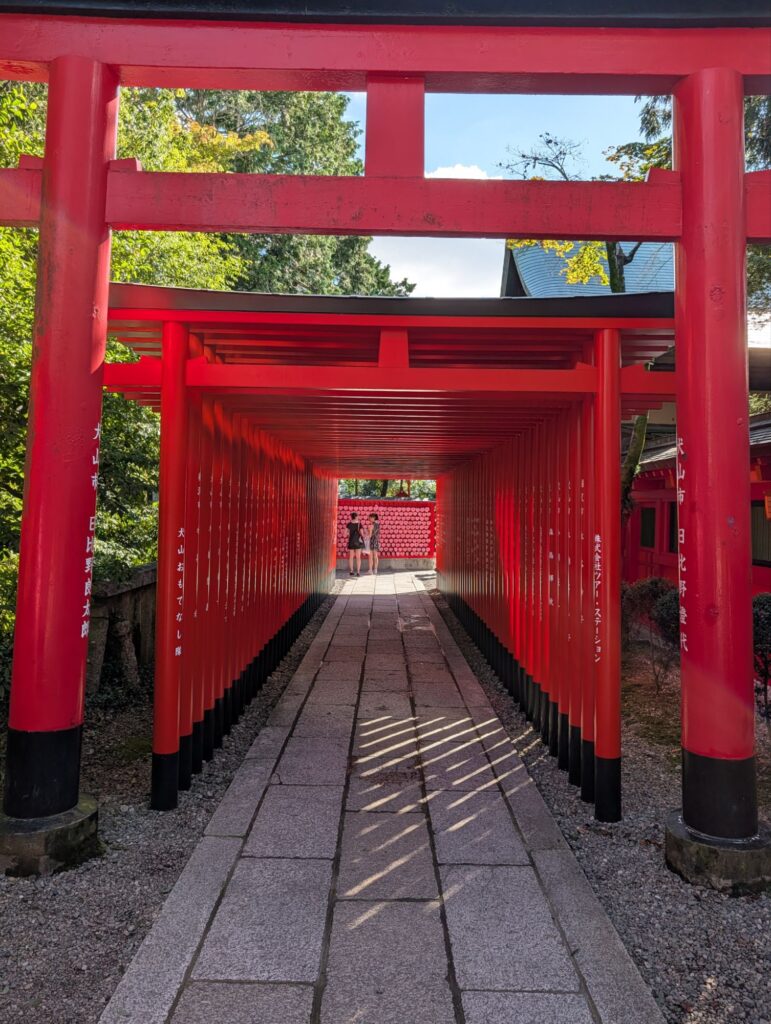
Urakuen: let me be honest
A short walk from the castle is the other National Treasure: a tea house called Jo-an.
There are only three National Treasure tea houses in Japan. Tai-an in Kyoto, Mittan at Daitoku-ji, and Jo-an here. Tai-an requires an advance application; Mittan cannot be viewed at all. Jo-an is the only one you can simply turn up and see.
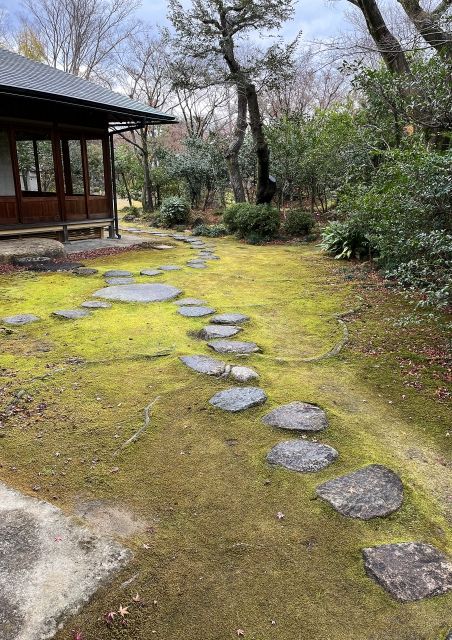
That’s genuinely remarkable. It was built by Oda Urakusai, younger brother of Oda Nobunaga, and designated a National Treasure in 1936. You can’t go inside, but you can look in from outside. The layout is an unusual two-and-a-half mat daime, with a diagonal wall by the alcove, old calendar pages papered along the lower wall, and a window made of bamboo set tight together. Apparently.
I say “apparently” because I didn’t look that closely.
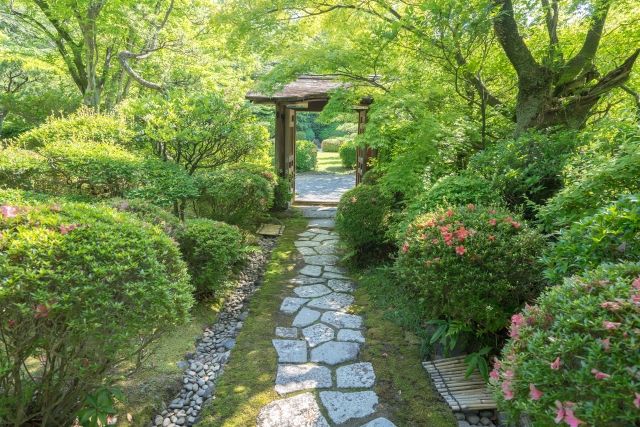
Here’s what I actually experienced: there was almost nobody there. It isn’t popular. And as a garden, having walked a lot of Kyoto, it honestly didn’t move me much.
Admission is ¥1,500 — more than the castle. That’s a lot to pay on its own.
So my verdict is this: not worth ¥1,500 by itself. But there are three ways to pay less, and then it’s worth going.
More on those shortly.
The castle town isn’t what I expected
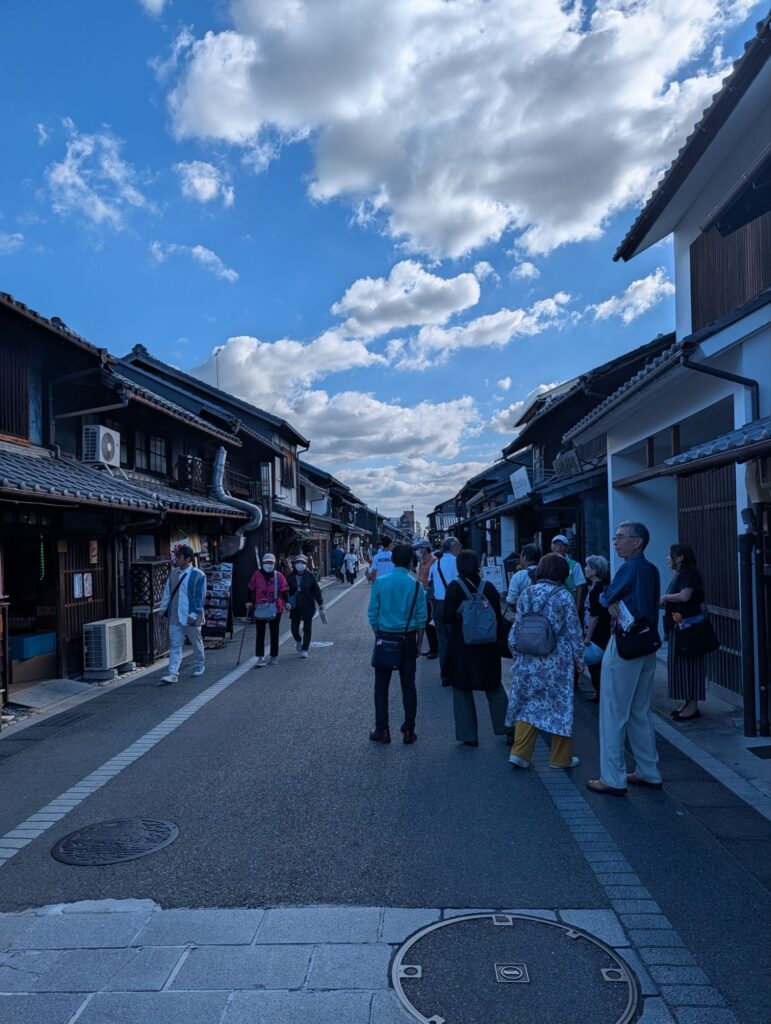
Below the castle runs the old merchant street, and this is where the eating happens.
But what “castle town” suggests and what’s actually on the street are two different things.
No dango. No gohei-mochi. No dengaku. There may be candied apples somewhere, but what I saw was candied fruit skewers. Sweets and cafés, everywhere. Restaurants too. Overall it’s the kind of street a Japanese teenager would enjoy, full of places designed to photograph well.
If you arrive expecting Edo-period street food, you’ll be surprised. But that’s not a complaint. As a street for eating your way along, it’s probably better now than it would have been.
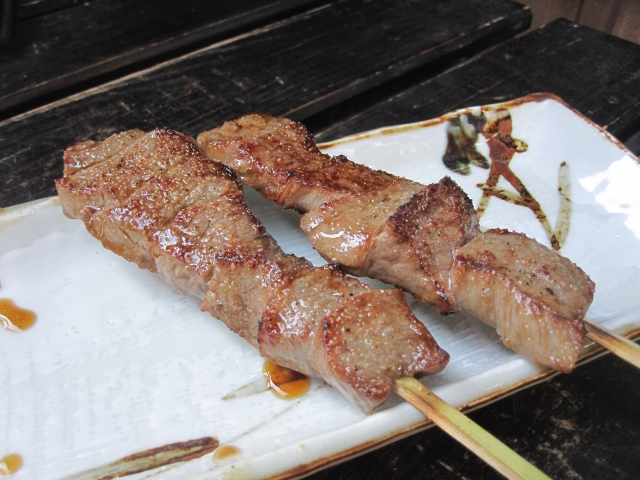
One thing amused me: Hida beef skewers are everywhere. Hida beef is a Gifu brand and this is Aichi. It’s crossed the prefectural border and become a fixture. The brand sets its bar at meat quality grade 3, which is wide enough that around 10,000 head qualify annually. That volume is why it ends up as street skewers. A brand that only certifies A5 and B5 could never fill a street at this price.
Weekdays are quiet
I went on a weekday and it wasn’t crowded. Enough room to walk slowly and eat without queueing.
There were still tourists — I heard Chinese and Korean, and saw several people who looked Western.
Over half of all foreign visitors to Aichi Prefecture concentrate in four places: Nagoya Castle, the area around Nagoya Station, Sakae and Osu. Getting visitors out into the wider prefecture is an acknowledged problem for the region. Inuyama sits outside that cluster — but it’s been found, at least to the extent that you hear several languages on a Tuesday.
Which also means weekends are a different story. It’s a castle that takes 690,000 visitors a year.
Three ways to pay less
Here’s the part I said I’d come back to.
The Meitetsu “Inuyama Castle Town Ticket”
A package ticket from Meitetsu railway. ¥1,950 from Meitetsu Nagoya Station. It contains:
- Discounted return rail fare
- Inuyama Castle admission (¥1,000)
- Urakuen discount voucher (¥1,500 → ¥1,100)
- Castle town coupons (14 participating shops, three uses)
The return fare plus castle admission alone roughly covers the price. The Urakuen discount and the food coupons come on top.
The rail portion and castle ticket are valid across two consecutive days, so it works for an overnight trip too. Coupons run until 1 April 2027.
There’s also an app version (Meitetsu’s CentX) at ¥1,840, slightly cheaper, but restricted to the Meitetsu Nagoya–Inuyama section.
The castle + Urakuen combination ticket
If you’re driving, buy the combined castle and Urakuen ticket on site for ¥2,000. Bought separately they come to ¥2,500.
Stay at the hotel next door
The third way involves accommodation, so it comes later in this article.
The Inuyama Festival at night
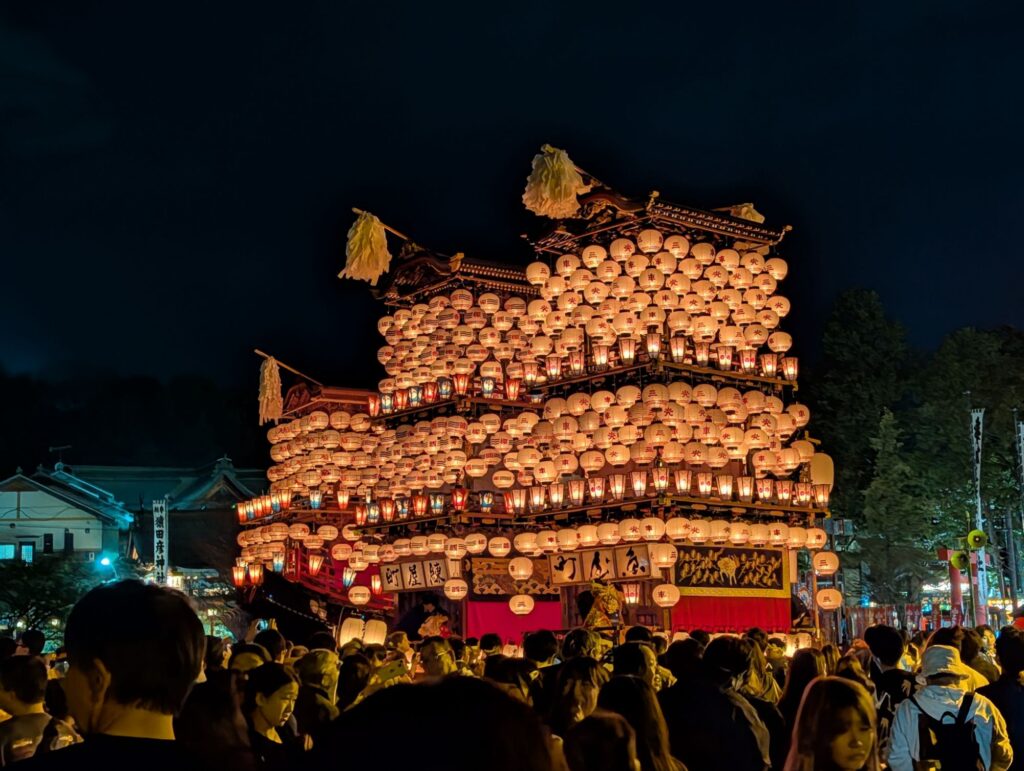
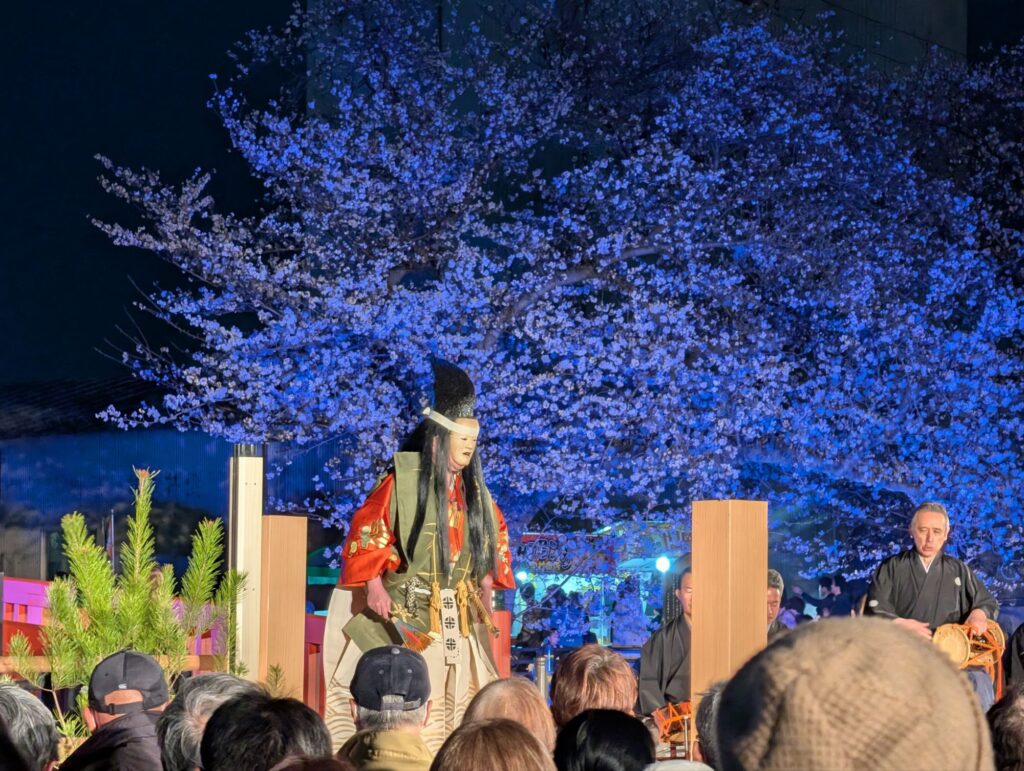
I go to the Inuyama Festival every year with my family. It’s inscribed on UNESCO’s Intangible Cultural Heritage list.
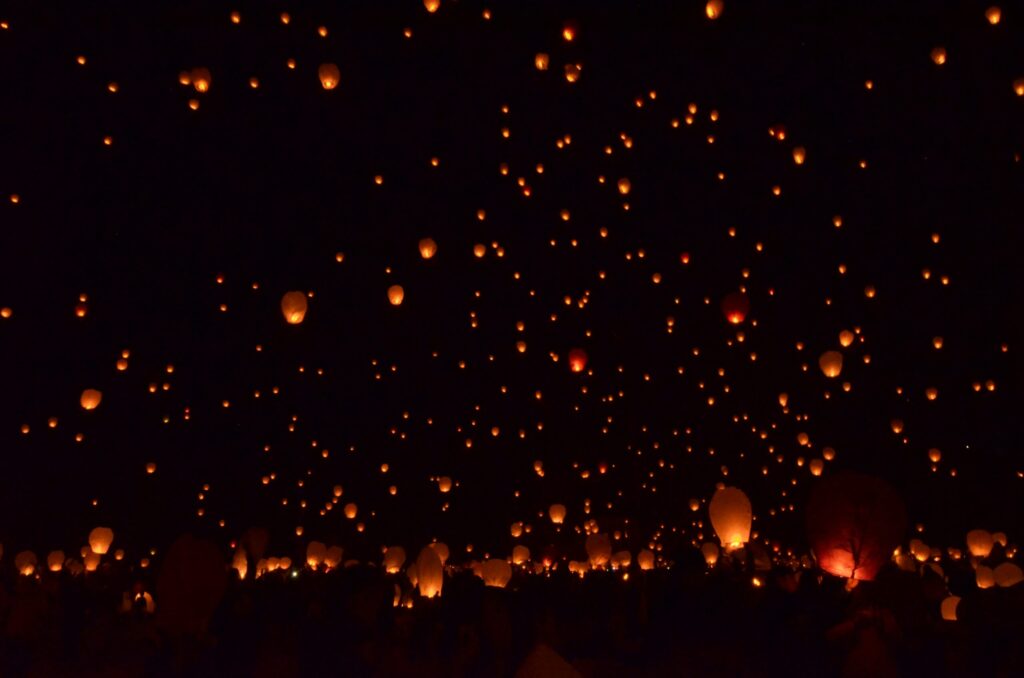
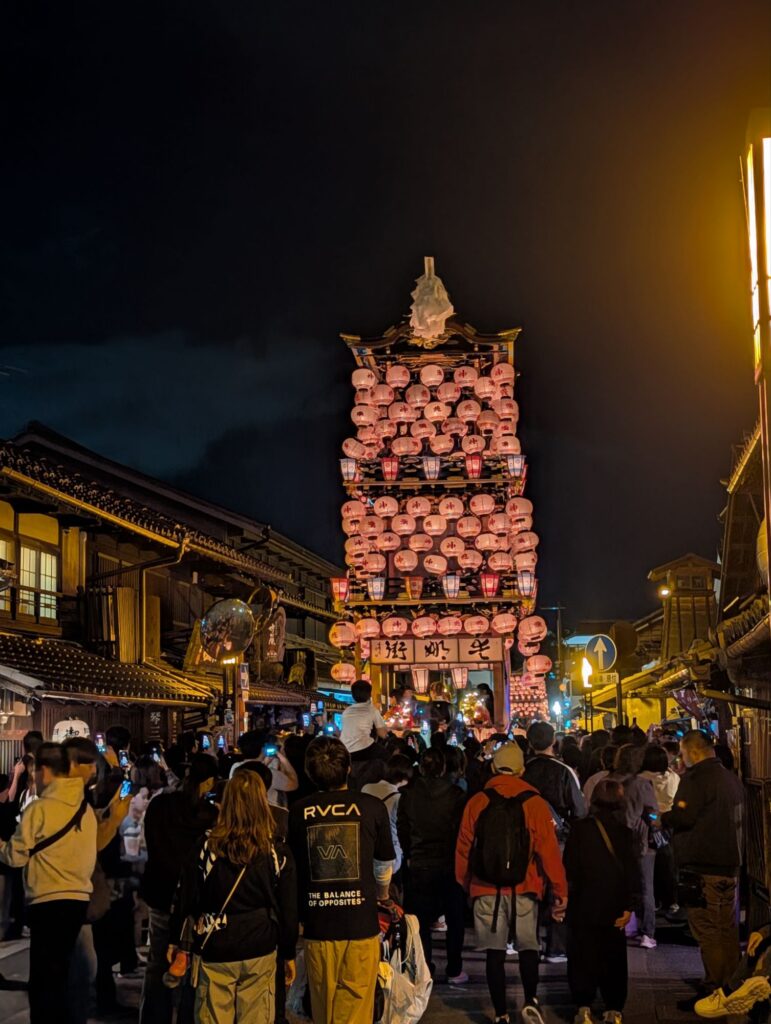
There’s a daytime programme, but I only go at night. Once it’s dark the floats are lit with lanterns, and the atmosphere is on a completely different level. Roughly 18:30 to 21:00.
You don’t need to find a viewing spot. Food stalls line the street all the way from the station to the base of the castle, and everyone simply walks it. The floats come toward you. There’s no timetable to memorise, no position to secure at 4pm.
The stalls themselves are, honestly, the same lineup you’d find at any Japanese festival. Though there was grilled sweetfish — the town sits on the Kiso River, so that one belongs here.
Cherry blossom along the Gojo River
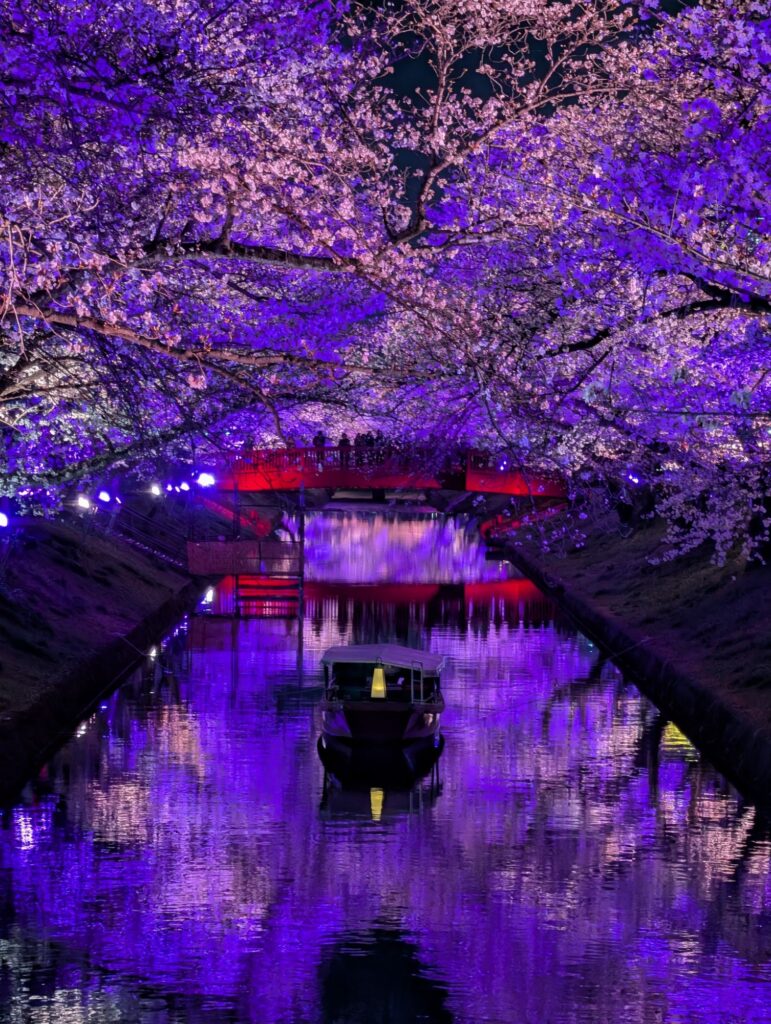
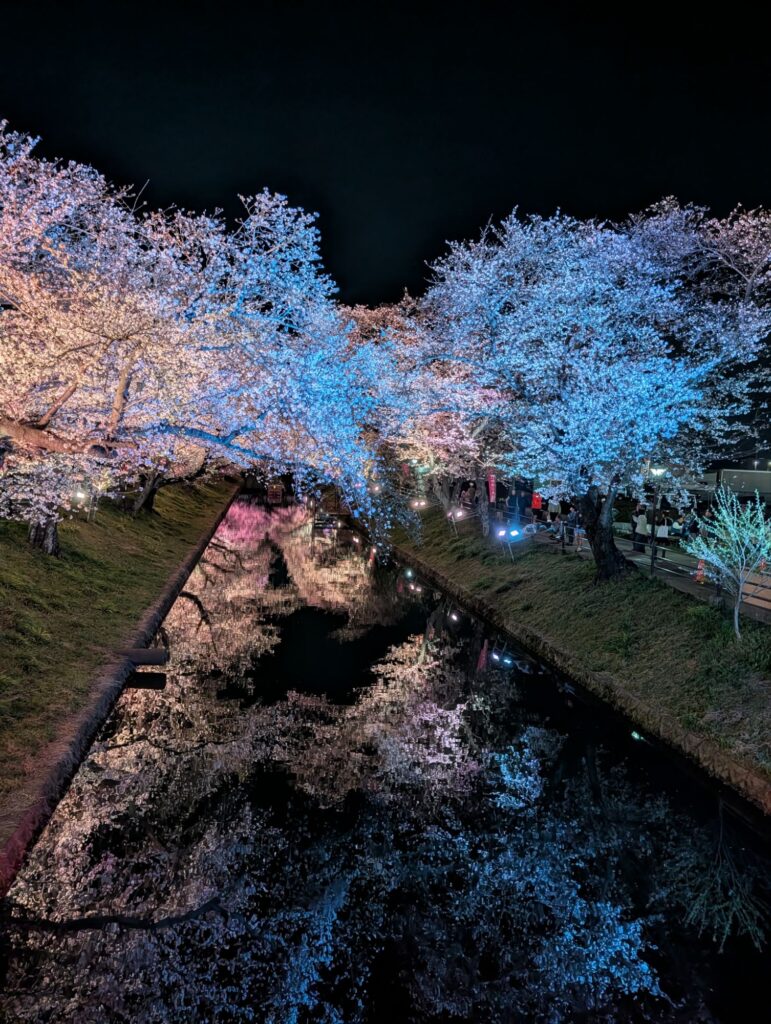
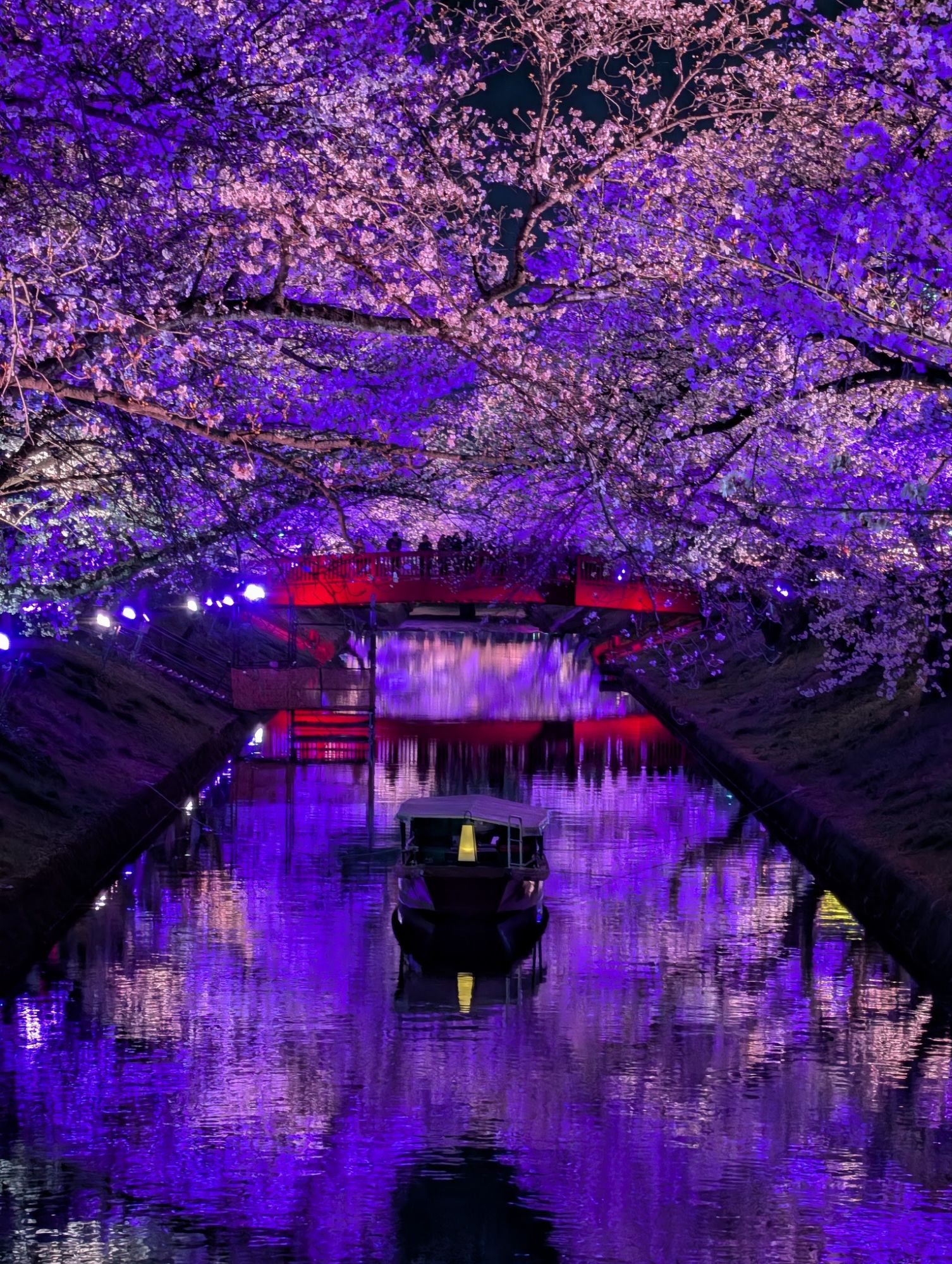
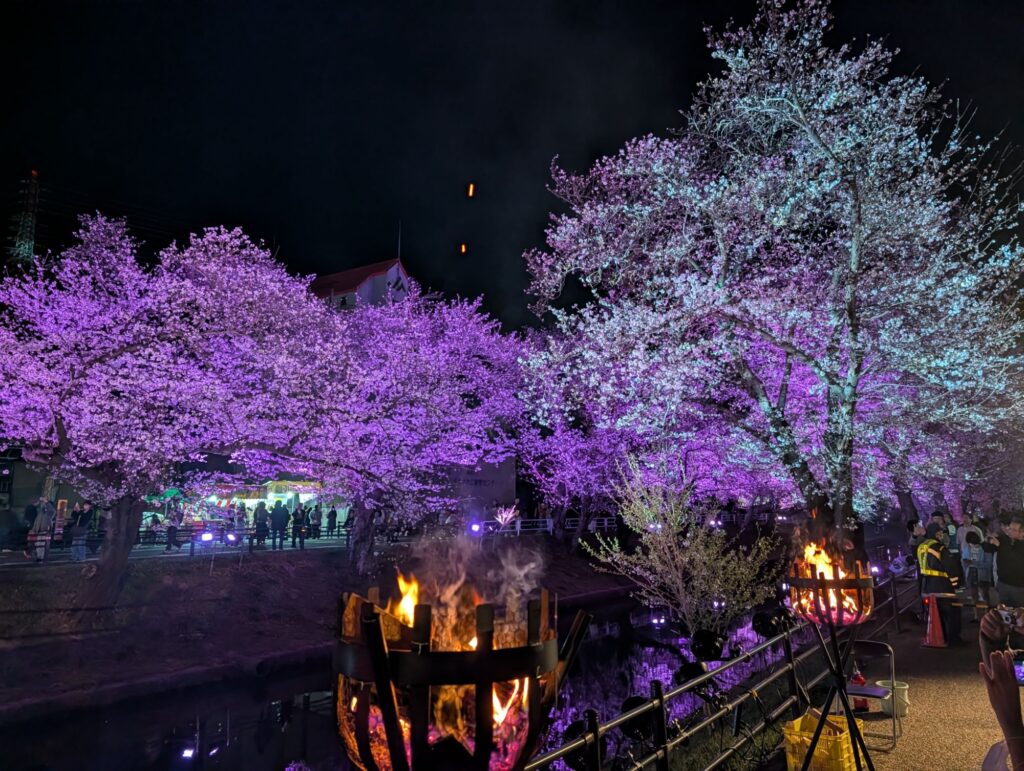
Fifteen minutes by car from Inuyama, the Gojo River runs through the plain, and in spring it becomes a corridor of cherry trees.
This isn’t a single viewing spot. The blossom follows the river continuously from Inuyama down to Iwakura.
I go in daylight and after dark. At night it’s lit, and the scene is entirely different.
One detail worth noting: here it’s food trucks rather than traditional stalls. Wooden festival floats and lantern-lit stalls in April; food trucks under the blossom a week or two later. Same area, completely different idea of what a crowd should look like.
Three places to stay, all different
This is what I meant at the start about staying the night.
Inuyama is thirty minutes from Nagoya, so a day trip works. But the best of this town happens after dark. The festival peaks at night. The cherry blossom is better lit. And the riverside inns look straight at the castle.
I haven’t stayed at any of these — they’re above what I’d spend on a town I can drive to. For someone who’s come a long way, the calculation is different.
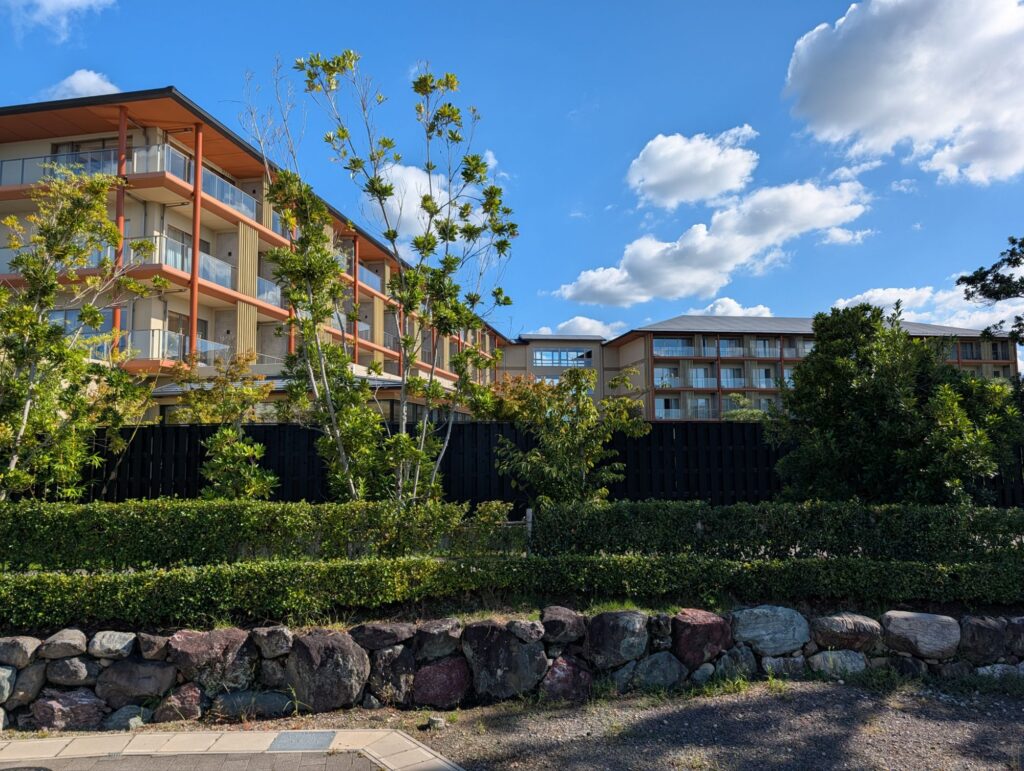
Hotel Indigo Inuyama Urakuen opened in 2022, part of IHG’s boutique brand. Inuyama Castle is directly in front of the lobby. There’s a natural hot spring on site, Hakutei-no-Yu, the only one in Inuyama. And guests get free access to Urakuen — which is the third way to avoid that ¥1,500. Seven minutes on foot from Inuyama-Yuen Station.
Akariya Geihanro is the opposite proposition. Founded in 1919, the oldest inn in Inuyama, long favoured by writers and artists. It’s been rebuilt as ten suites, each with a semi-open-air bath, sitting between the castle and the Kiso River with views of both. From ¥56,100 per night.
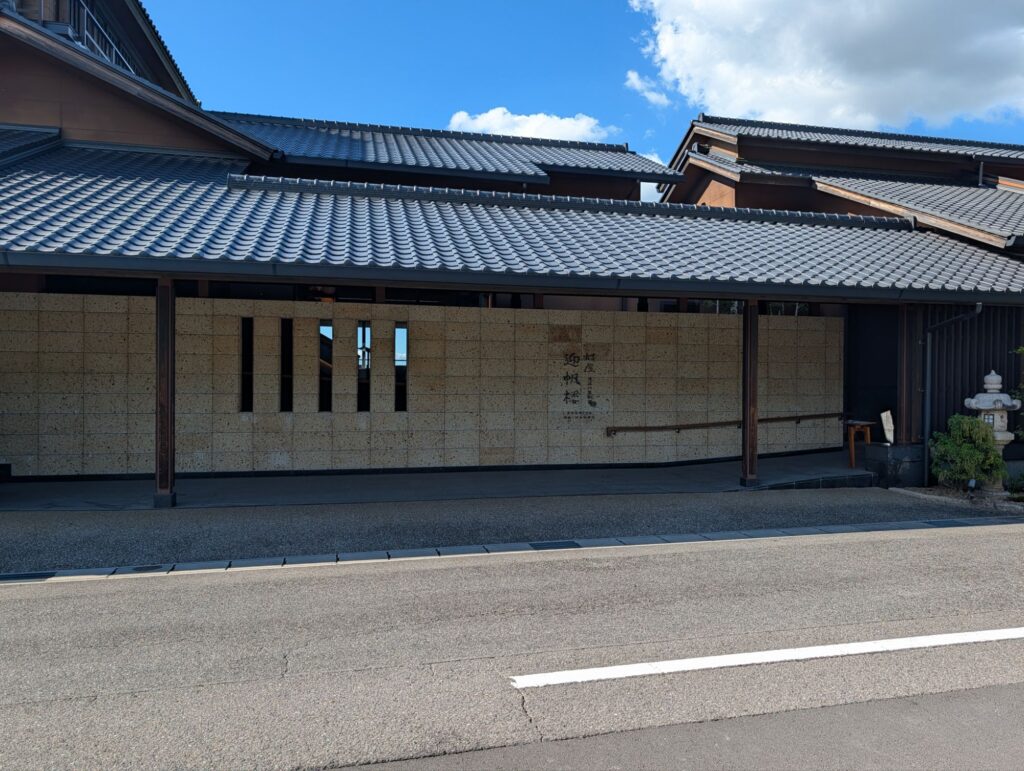
SHUKU opened in April 2025 — a hotel converted from old townhouses, inside the castle town itself. It occupies two separate buildings; one was where the brewers and craftsmen of a sake house once worked and lived, and the red-ochre plaster walls and exposed beams have been left as they were. One room is a converted storehouse, entered through a garden. There’s a Japanese restaurant attached, Kokon, serving a local liqueur made from honeysuckle. The rooms have no television and no clock — that’s deliberate. From around ¥22,130.
Modern international, century-old ryokan, or restored townhouse. Having all three in one small town is unusual.
For balance: these aren’t the only options. There’s a small hotel near Inuyama-Yuen Station from around ¥4,400 a night, and a business hotel four minutes from the west exit of Inuyama Station. The town isn’t only expensive.
Check availability and rates at Hotel Indigo Inuyama Urakuen on Booking.com Check availability and rates at Akariya Geihanro on Booking.com Check availability and rates at SHUKU on Booking.com
Now the ramen
The sightseeing section ends here. From this point it’s entirely about food.
Three restaurants, framed as “if you’re staying in the Nagoya area.” None of them are tourist restaurants. This is what local people actually eat.
Full disclosure on my palate: I like my broth heavy. Refined, delicate cooking mostly goes over my head. Garlic makes anything taste better to me. Read the rest with that in mind.
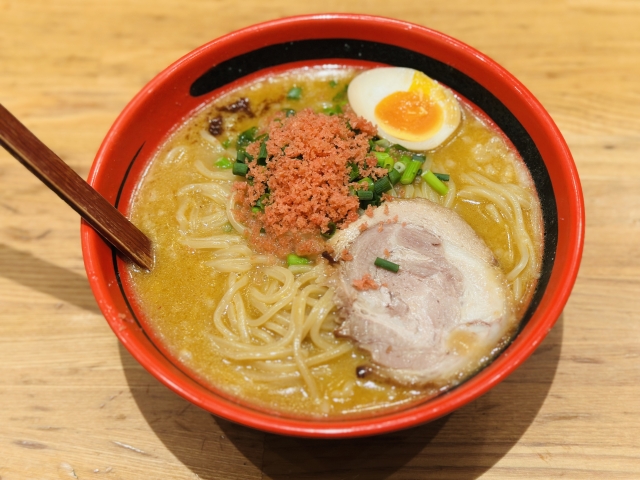
Sugakiya
Almost every shopping-mall food court in this region has a Sugakiya in it.
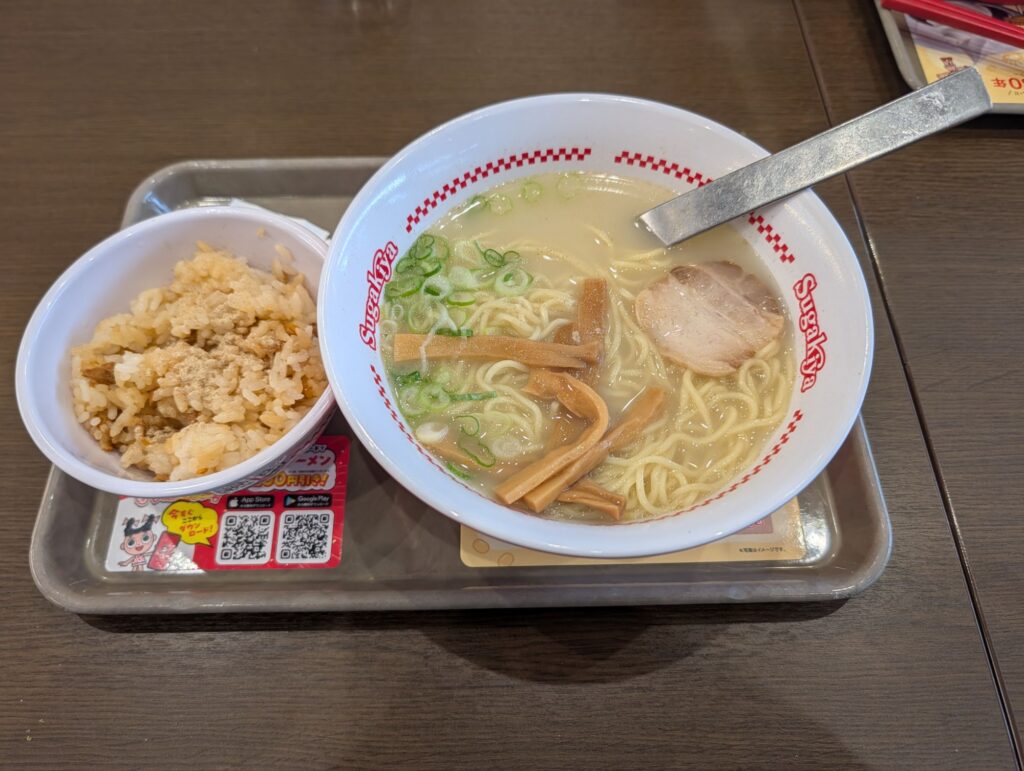
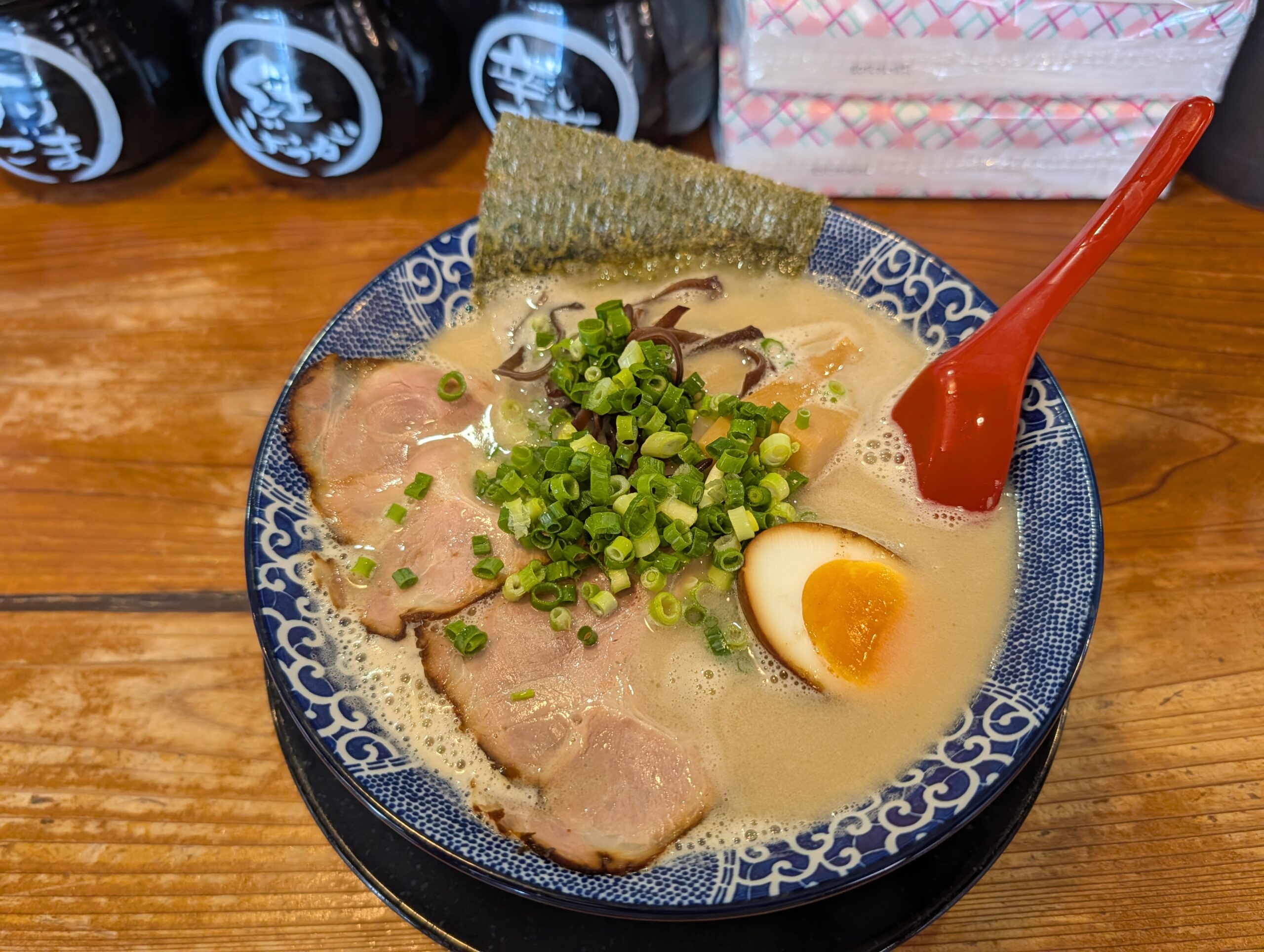
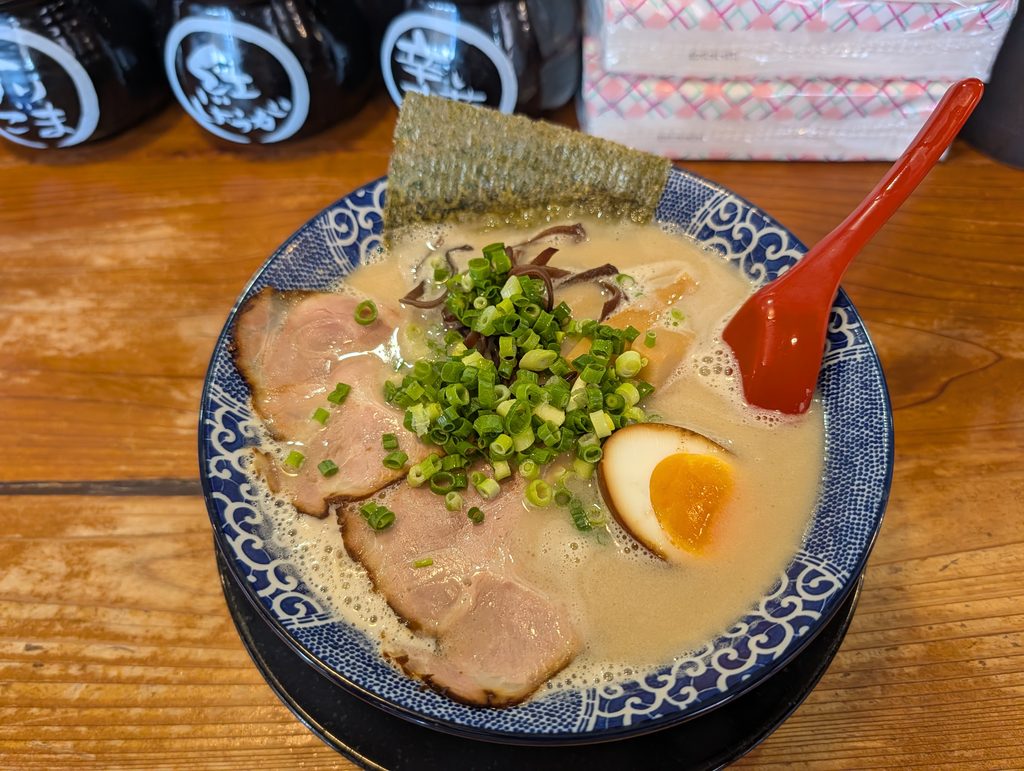
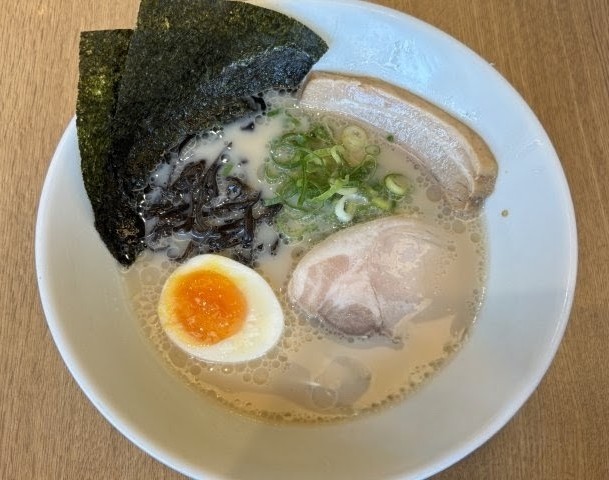
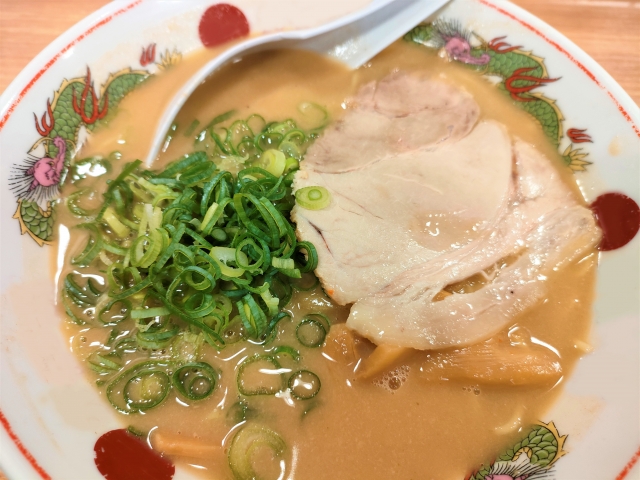
For me this is the foundation of what ramen tastes like. Pork bone broth with fish and kelp stock folded in — wafu tonkotsu — and I’ve eaten it since childhood. Wherever I eat ramen in Japan, I compare it to this without meaning to.
I still eat it most months. As a child with family, then with friends, now with family again. It works with anyone.
Here’s the part that makes the case better than I can. I take my primary-school-age child around to well-known ramen restaurants. Good ones, all over the country. And according to them, Sugakiya is still the best.
My own judgement is contaminated by nostalgia and I know it. But children don’t have nostalgia. Having eaten the famous places, still picking Sugakiya is a fairly strong data point.
In food courts, Sugakiya frequently has the longest queue. Two reasons, I think: children like the taste, and adults can live with the price.
On that price — I remember it being a bit over ¥200 when I was small. That’s more than thirty years ago. It rose to ¥330 in 2022, ¥390 in 2023, ¥430 in 2024. Three consecutive increases, which is unsurprising given what eggs, pork, seafood and labour have done.
And it’s still ¥430. Among Japan’s major ramen chains, that remains at the very bottom of the price range.
Sides and desserts have held steady. Soft serve is ¥190. Ramen plus soft serve comes in under ¥650. That ice cream is good, generously sized, and cheap — and I still order it as a middle-aged man. The five-grain rice comes as a set.
One more thing. Sugakiya has a famous utensil: a fork and spoon fused into one, the “ramen fork.” I have never once used it to pick up noodles. I drink the broth with it. I owned one of the original ones personally.
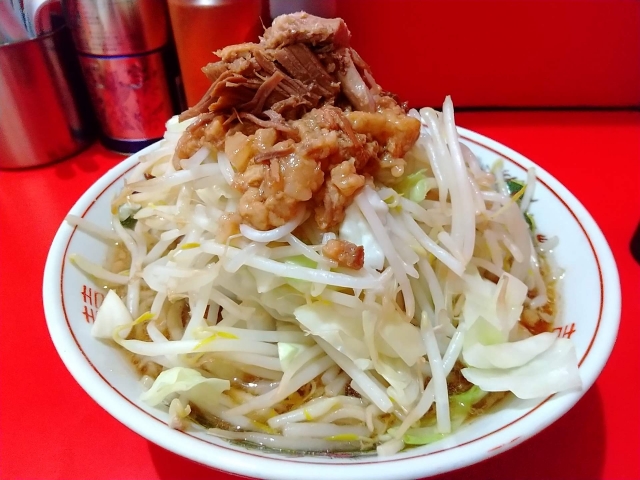
Ramen Fuku
Founded in 1978, eleven branches concentrated in Nagoya. I was recently at the Owariasahi branch; I also go to the one in Moriyama Ward.
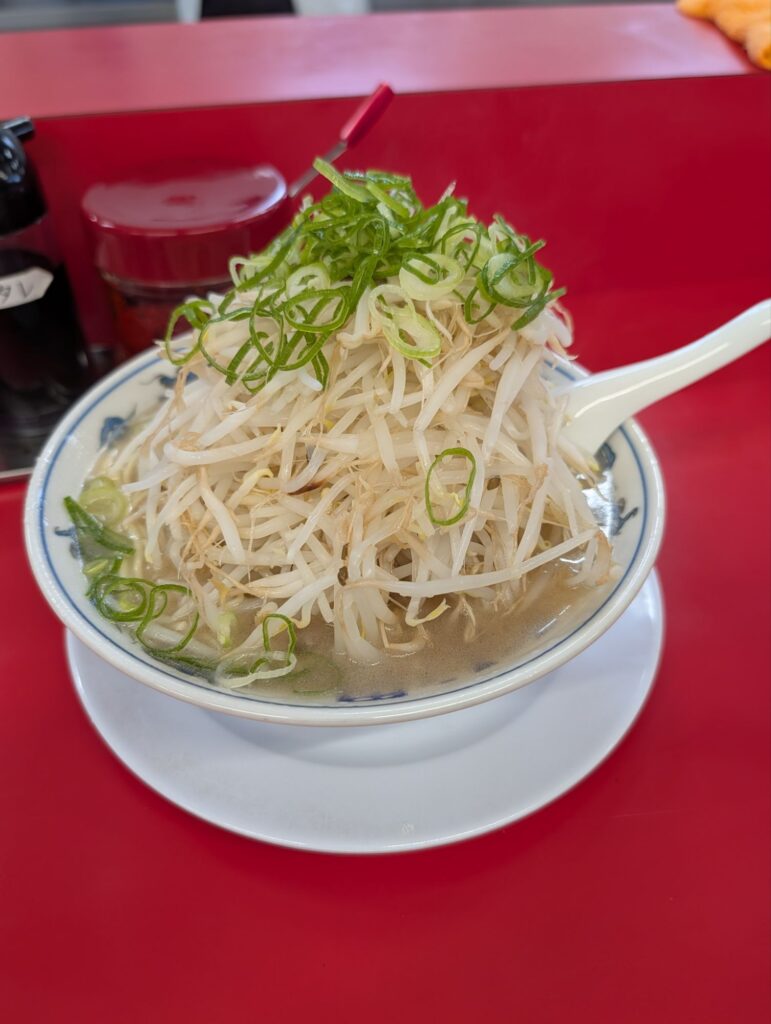
My order never changes: regular ramen, extra vegetables, firm noodles.
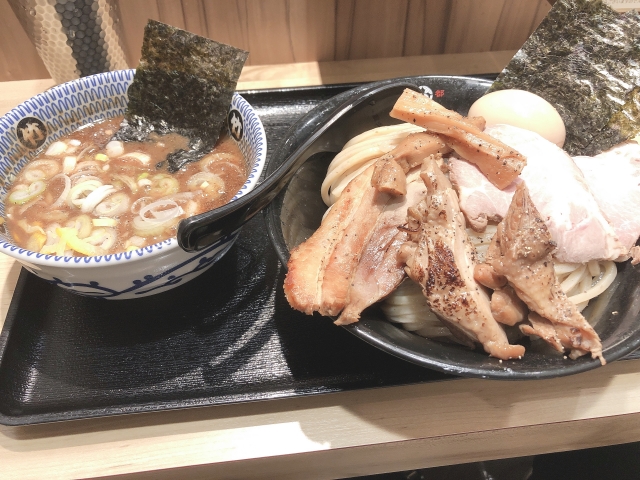
The vegetable upgrade is free and it arrives as a mountain. Here’s the trap: when it’s piled that high, it takes a long time to reach the noodles. You eat down through the vegetables while the noodles wait. So you order them firm from the start. That’s learned the hard way.
On volume: the vegetables leave no room for rice or gyoza. I’m not a small eater. They still don’t fit.
There’s a spicy miso-garlic paste on the table and it matters. Use it to shift the flavour partway through, or eat it with the vegetables. Whether that condiment exists changes the whole restaurant.
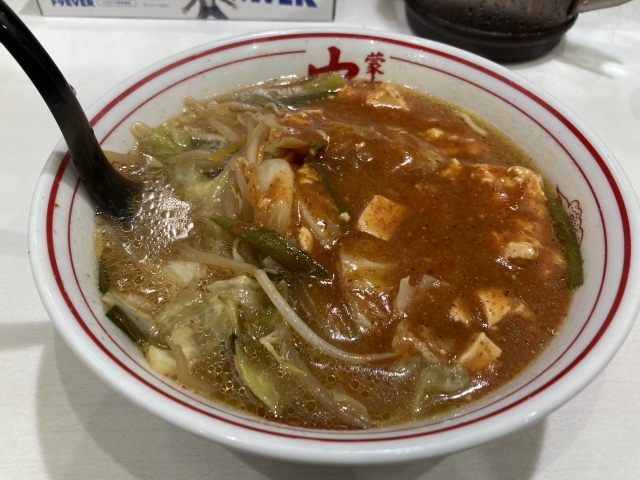
Gifu Tanmen
Plenty of branches across Aichi and Gifu, and I’ve been to a lot of them.
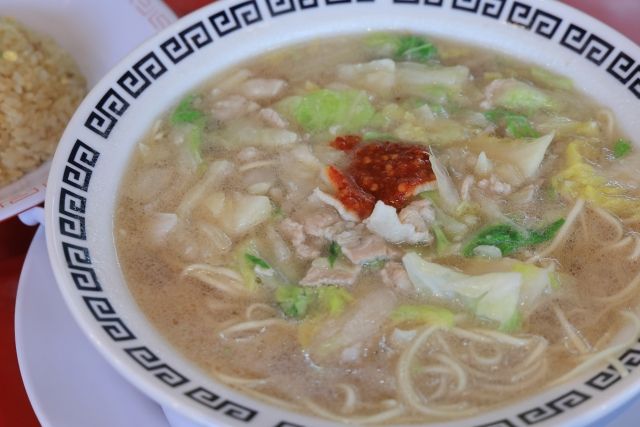
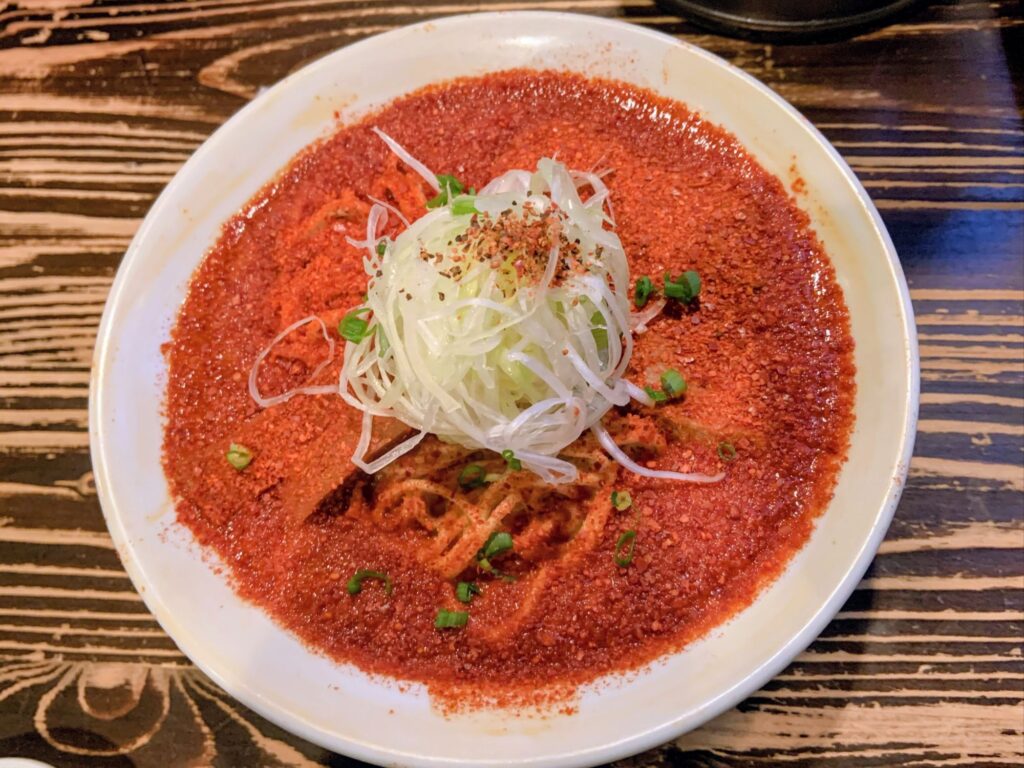
It looks like a clear, light salt-based ramen, but there’s a serious amount of garlic in it. Pork and vegetable sweetness with a garlic edge running through. More going on than the clarity suggests.
You choose your spice level. I order above standard, and even level three feels milder than the menu implies. If you’re not spice-averse, go a level up from whatever you were going to pick.
There’s vinegared bean sprouts on the table, free refills. They lighten the bowl and add bulk.
I get the impression it has a lot of female regulars, and I suspect the reason is that it’s structurally very close to a hot pot. Vegetables in a salt broth. Put like that, it’s basically nabe with noodles. Extra noodles are available, so nobody leaves hungry.
What the three have in common
Writing this out, I noticed something. All three are restaurants where you finish the dish yourself, at the table.
Fuku’s spicy garlic miso. Gifu Tanmen’s vinegared sprouts and spice scale. Sugakiya doesn’t have table condiments as such, but that fork hands the method over to you.
I do the same thing in Fukuoka. When the second serving of noodles arrives, I add tare, mustard greens, garlic. First bowl as the restaurant made it; second bowl mine.
Tourist food writing usually asks what to eat. Local restaurants, I think, put their culture into how.
Before you go
Mobile data. Opening hours and closing days here often live only on social media. Having data from the moment you land removes real friction. I use Airalo.
Travel insurance. World Nomads covers travellers who are already abroad, which helps if you didn’t sort it before leaving.
Browse Inuyama day trips, passes and tickets on Klook
So, why stay the night.
You can do Inuyama in half a day. Climb the castle, walk the street, take the train back. It works.
But the good parts of this town are clustered after dark. The festival floats light up once the sun goes down. The cherry blossom along the river changes completely under the lights. And from a riverside room, you look out at a National Treasure. A day trip gets you none of that.
Two National Treasures. A castle town that’s quiet on weekdays. Blossom running for kilometres along a river in spring, and lantern-lit floats in April. Three genuinely different places to sleep.
And the locals, queueing in a food court for a ¥430 bowl of ramen.
You’re passing through anyway. Give it a night.

![[Okinawa Resort Hotels] The Ultimate Guide & Comparison by Travel Style](https://www.hiyori-world.com/wp-content/uploads/2026/07/img_135021179516348113896608.jpg)