This article contains affiliate links.
I’ve been to Hokkaido about five times now. I don’t handle heat well, so I’ve gone mostly in summer, but I’ve been in winter too.
What strikes me every time is that Hokkaido becomes a completely different place depending on the season.
Summer means cool air, lavender fields, a strange blue pond, and roads that run straight to the horizon. Winter means snow, hot springs, and some of the best skiing in the world. You could be heading to the same town on the map and have almost nothing in common between the two trips — different sights, different activities, even different luggage. When you decide you want to go to Hokkaido, the first thing to settle isn’t where. It’s when.
This guide covers the places I’ve actually been — Otaru, Sapporo, Hakodate, Niseko, Biei, Furano, Asahikawa — with honest notes on what was worth it and where to stay without overspending.
Summer or winter: they are not the same trip
Summer (June–September) While the rest of Japan is unbearable, Hokkaido is remarkably cool. Lavender peaks around mid-July, and Furano at that moment looks like a painting. Summer is also when driving here is at its best.
Winter (December–March) If you’re coming from somewhere that doesn’t get snow, or if skiing is the point of the trip, this is your season. Niseko’s powder is world-famous, and the Sapporo Snow Festival runs 4–11 February 2027. But the cold and the road conditions are a different order of magnitude from what most visitors expect — your gear and your transport plan both need thought.
I’ve ended up going in summer more often simply because I dislike heat. Neither season is better. They’re just two separate holidays that happen to share a name.
Getting around: the answer changes with the season
Hokkaido is enormous, and the distances between cities are nothing like the rest of Japan. Two places that look close together on a map can be a two- or three-hour drive apart.
In summer, rent a car The distances are long, but the roads between cities are largely straight, and I found it far less tiring than I expected. It’s completely unlike grinding through mountain switchbacks in Honshu. The landscape is open and wide, so the driving itself becomes part of the trip. Sapporo alone is fine on the subway, but for anywhere beyond it, you’ll want a car.
In winter, don’t Black ice and whiteouts are genuinely dangerous if you haven’t driven on snow before, and this isn’t a “just be careful” situation. If you have no winter driving experience, take JR trains and bus tours instead. You’ll be safer and you’ll enjoy the trip more.
A note on international licences: check what your own country requires before you leave. Japan recognizes the 1949 Geneva Convention International Driving Permit for many countries, but not all — a few require an official Japanese translation of the licence instead. Confirm which category applies to you before you travel; you can’t sort it out on arrival.
Where to go, and where to stay
Arranged in a practical order from New Chitose Airport.
Sapporo and Jozankei
The natural base for a Hokkaido trip. The range of food is enormous, and Susukino, the nightlife district, is genuinely fun in the evening.
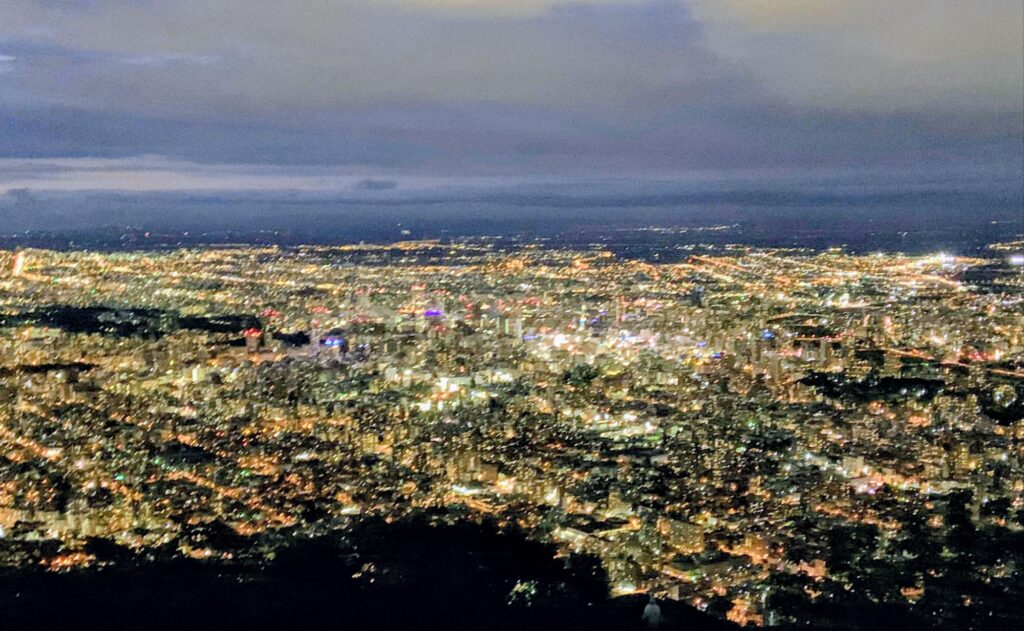
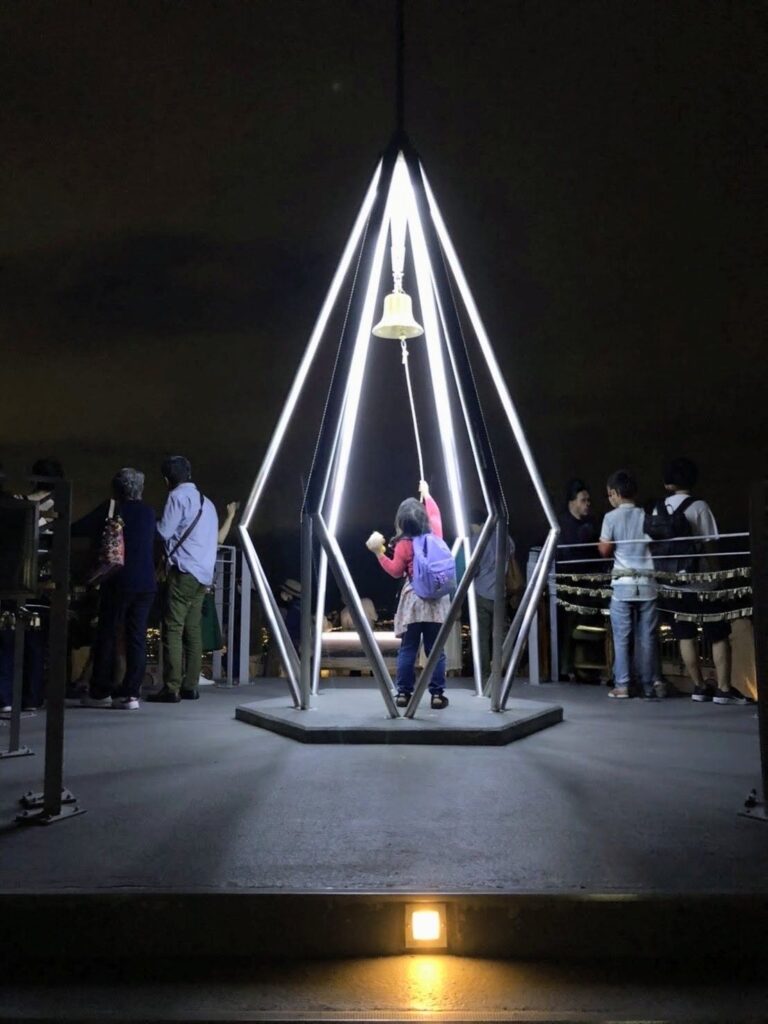
Mount Moiwa for the night view If your schedule doesn’t stretch to Hakodate, the view from Mount Moiwa in Sapporo is beautiful in its own right. The whole spread of the city sits below you, and it holds up well on its own terms.
ONSEN RYOKAN Yuen Sapporo A ryokan in central Sapporo where the open-air bath uses hot spring water trucked in from Noboribetsu’s Karurusu onsen. Being able to soak in a real hot spring less than ten minutes’ walk from Odori Station is not something you find often. Good if you want to combine city walking with an onsen.
Grand Blissen Hotel Jozankei Jozankei is a hot spring town in a river gorge, about 50 minutes by car from Sapporo. This one opened in 2021, and every room faces the gorge — most of them have their own hot spring bath with a view, so you can soak while looking at the valley from your own room.
That last detail matters for a specific reason. If you have tattoos, a room with a private onsen bath solves the problem entirely. Japanese public baths and onsen can still be conservative about visible ink, and policies vary by property. Booking a room with its own bath means you never have to ask. It’s the simplest workaround in the country, and Hokkaido has a lot of rooms like this.
There’s also a free shuttle bus from JR Sapporo Station (advance reservation required), so you can reach it without a car — useful in winter.
📍 Check rates for Sapporo and Jozankei
Otaru
Famous for its canal, though I’ll be honest: the canal isn’t my highlight.
LeTAO cheesecake is. Otaru is where this originated, and eating it there is a different experience from buying a box at the airport. It’s a standard souvenir too, so it works either way. Otaru is a comfortable day trip from Sapporo — half a day covers it.
Niseko
The ski destination that made Hokkaido internationally famous. So many foreign visitors that it doesn’t feel like Japan, in a way that’s either the appeal or the drawback depending on what you came for.
The strength here is ski-in ski-out resort hotels. Walking from your room onto the slope is hard to beat if skiing is the purpose of your trip. In summer it’s a quiet mountain retreat.
Here’s my honest position, and I’ll flag that it may read differently to you than it does to me. Niseko’s hotels are out of my price range. International demand has pushed rates well above everything else in this article. But if you’re paying in dollars, euros, or Australian dollars, and you know what a week at Whistler, Aspen, or Zermatt costs — Niseko may look entirely reasonable to you. The weak yen has made the same room a splurge for me and a bargain for you. That gap is worth understanding before you dismiss anyone’s price opinion, including mine.
If skiing isn’t your reason for coming, you don’t need to stay in Niseko. If it is, this is one of the most highly regarded places in the world for powder, and it earns that.
Hakodate
The night view from Mount Hakodate is called one of Japan’s three great night views, and it deserves the title. Photographs don’t prepare you for it.
Lucky Pierrot If you make it to Hakodate, this is worth your time. It’s a local burger chain, and the interesting part is that it exists only in Hakodate and the surrounding area — 17 branches, no national expansion, not even a Sapporo location. You have to come here to eat it.
I went to the Bay Area branch near the red brick warehouses. It’s the original location, themed as a “merry-go-round in the forest,” and there was a swing, which I ended up sitting on. Every branch has a different theme and interior, so some people make a circuit of them.
The signature item is the Chinese Chicken Burger — a large piece of fried chicken in sweet-savoury sauce, with lettuce, and a lot of volume. Locals shorten it to “chai-chiki.”
My honest take: I prefer a normal American-style burger. With fried chicken inside, it reads more like a Chinese sandwich than a burger to me. That’s a matter of taste rather than a criticism — it’s good, and it’s something you can only eat here, which is reason enough to try it once. There’s also curry, omurice, and yakisoba on the menu, so a group with different preferences won’t struggle.
The catch is distance. Hakodate is a long way from Sapporo, and a tight itinerary won’t accommodate it. If you can fit it, the night view justifies the time. If you can’t, Mount Moiwa covers you.
Asahikawa
The base for northern Hokkaido, and well positioned for Furano and Biei.
Asahiyama Zoo The facilities are visibly old, but the design thinking is exceptional. Walkways and tanks are positioned at exactly the angle where you see the animals moving and behaving naturally. That’s what makes it feel so immediate. It holds an adult’s attention completely.
OMO7 Asahikawa This is Hoshino Resorts’ OMO brand, about ten minutes’ walk from Asahikawa Station. Hoshino Resorts has a reputation for being expensive, but OMO sits at a far more realistic price point. It works well as a base for wandering the city, and the zoo is easy to reach from there.
Biei and Furano
The landscapes that define summer in Hokkaido are concentrated here.
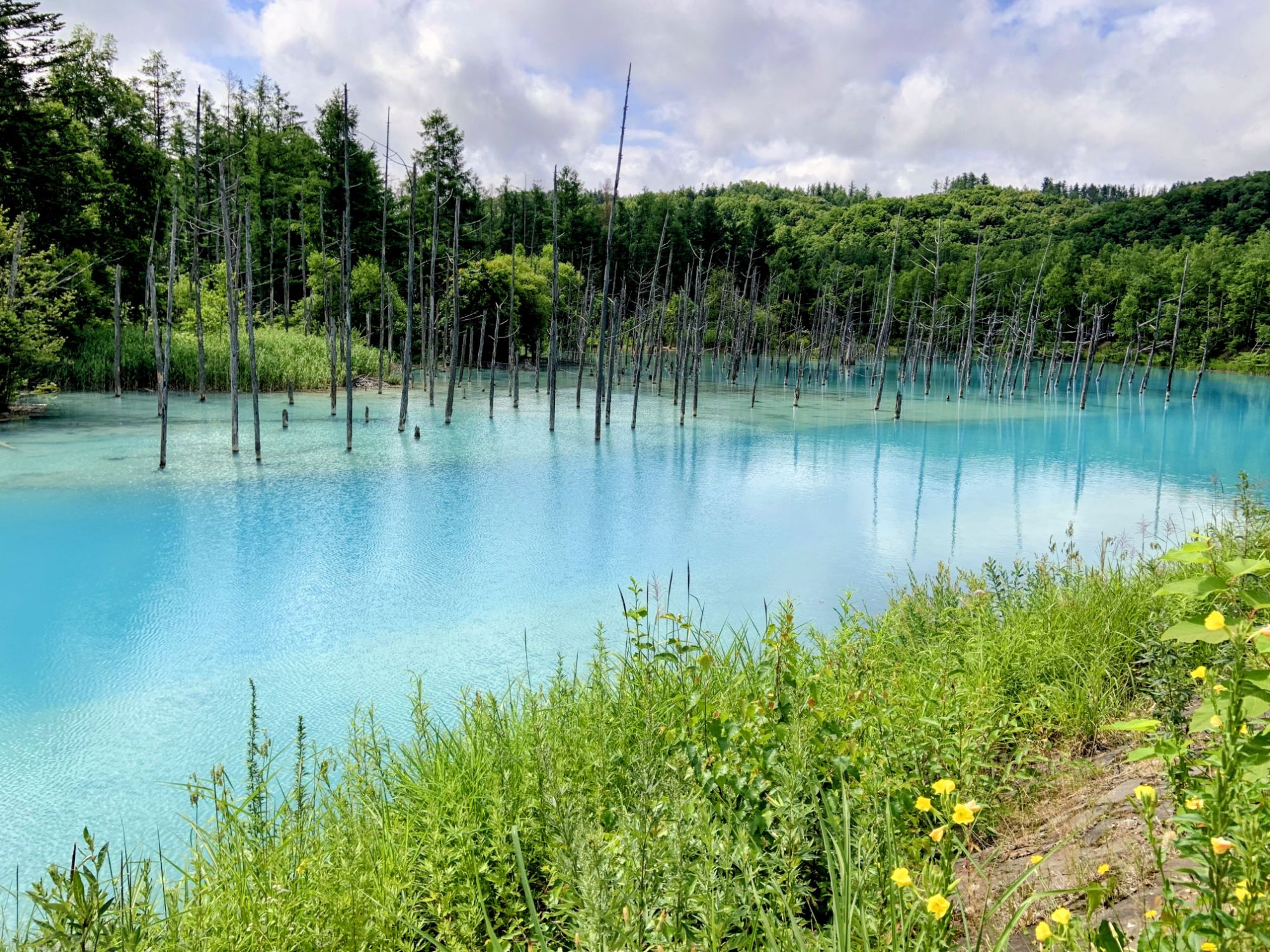
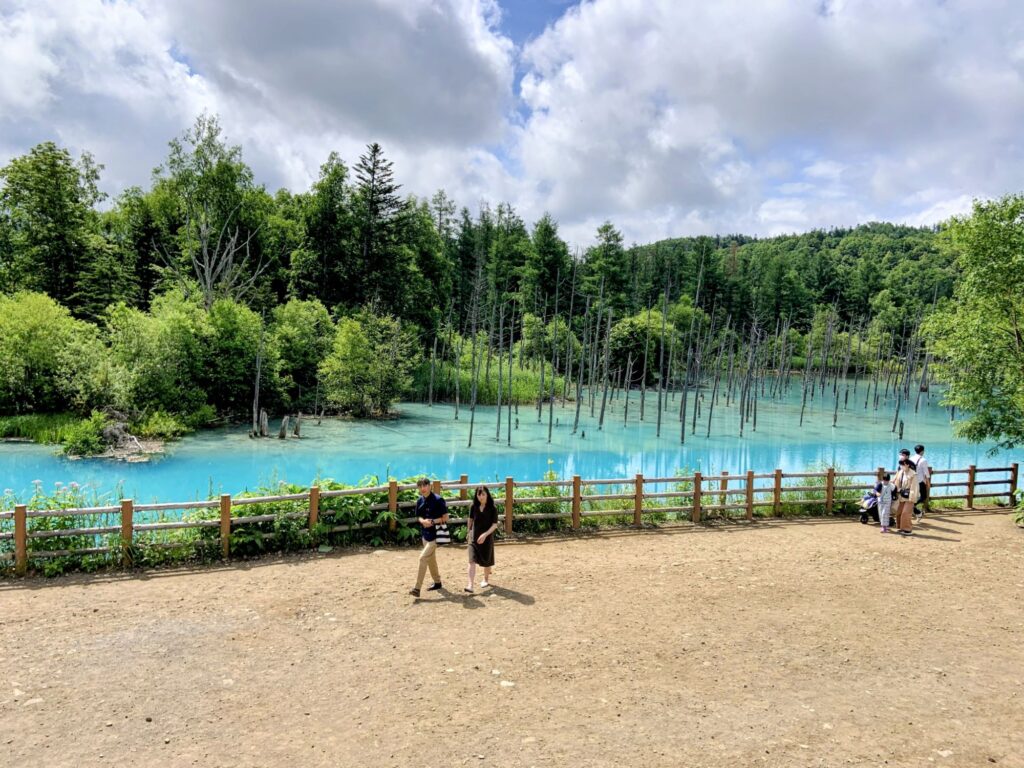
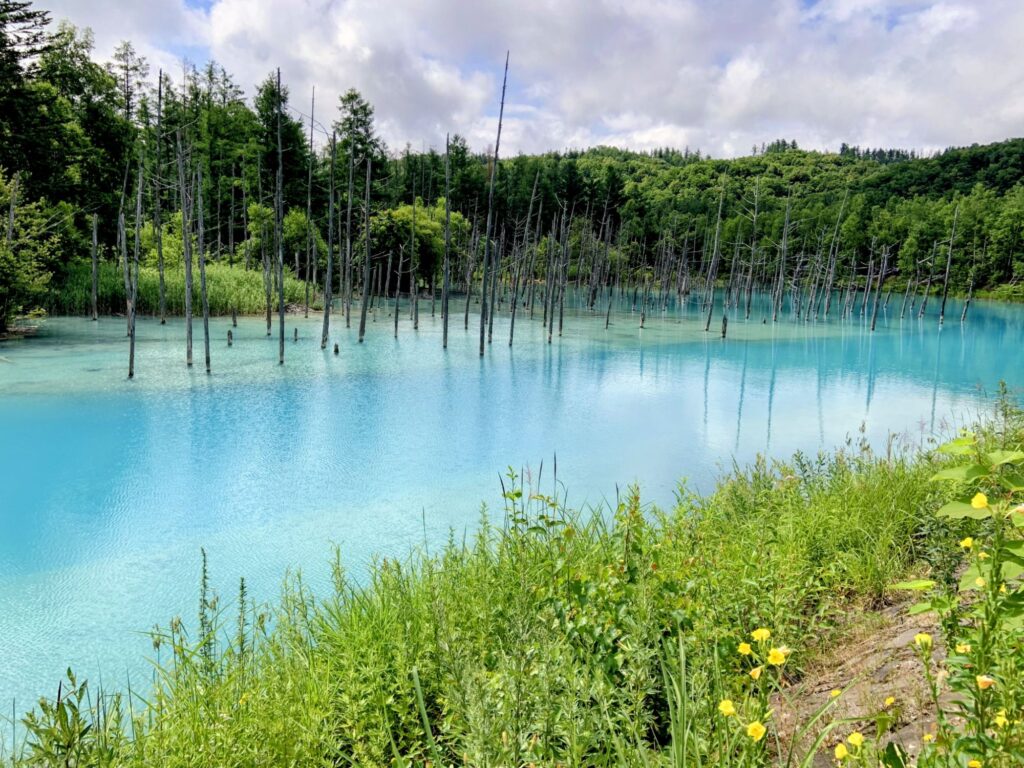
The Blue Pond (Biei) A pond of an almost unreal blue. “Blue” undersells it — the colour isn’t quite like anything I’d seen. It shifts with the weather and time of day, so photographers get a lot out of it.
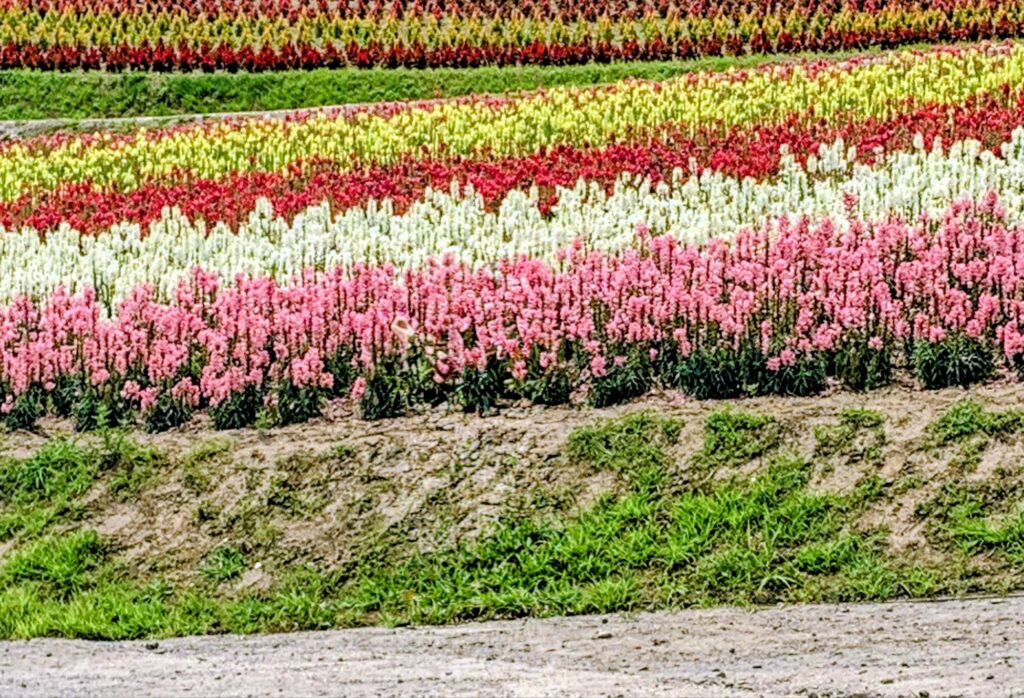
Furano’s lavender In July the hillsides turn purple and it is genuinely beautiful. But expect traffic. Around the well-known farms the roads seize up, so build slack into your schedule.
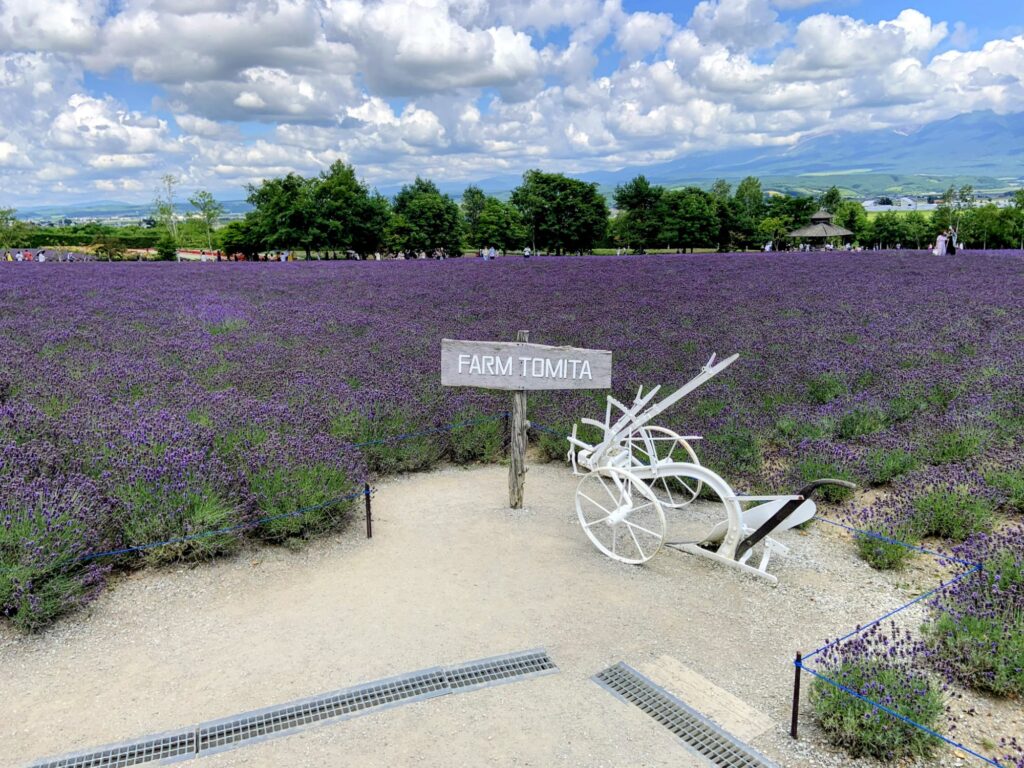
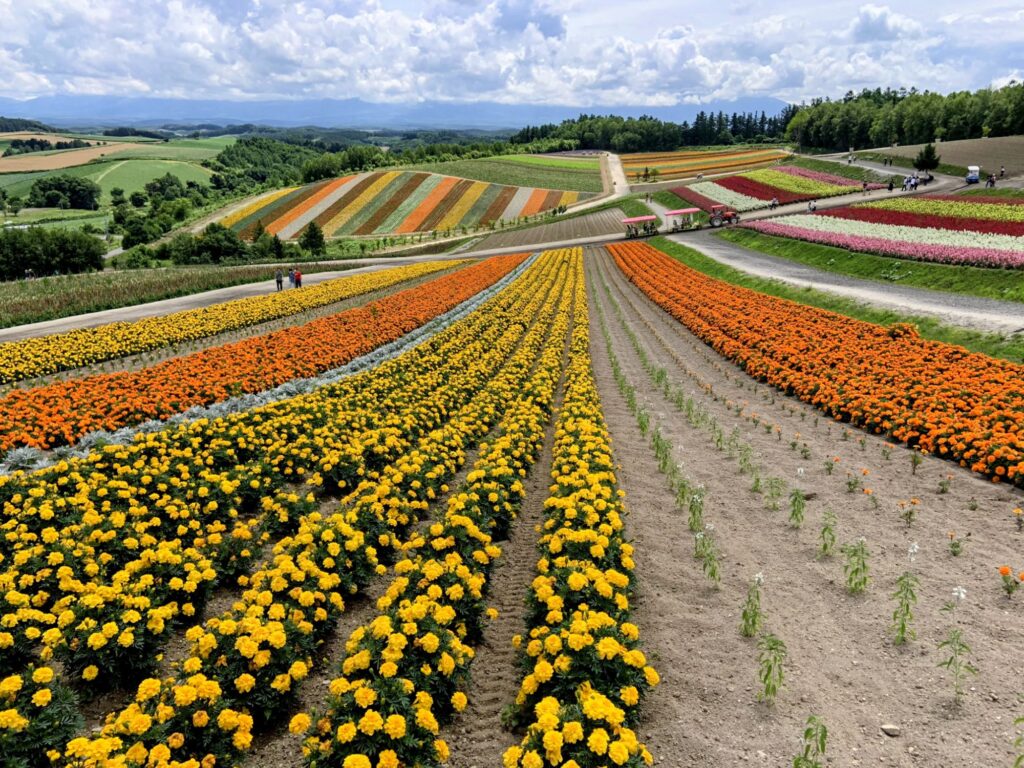
The best thing I did here was the buggy There’s an activity where you drive a buggy yourself through the flower fields and open country. It was far more fun than I expected. Looking at scenery is one thing; steering through it yourself leaves a much stronger memory. It also completely cured my irritation about the traffic.
📍 Book buggy tours and activities
Hoshino Resorts Tomamu
A large resort in the mountains of central Hokkaido.
I went in summer, and there was enough on the property to keep children happily occupied all day — a water park, outdoor activities, the lot. You don’t have to leave the grounds for the trip to work.
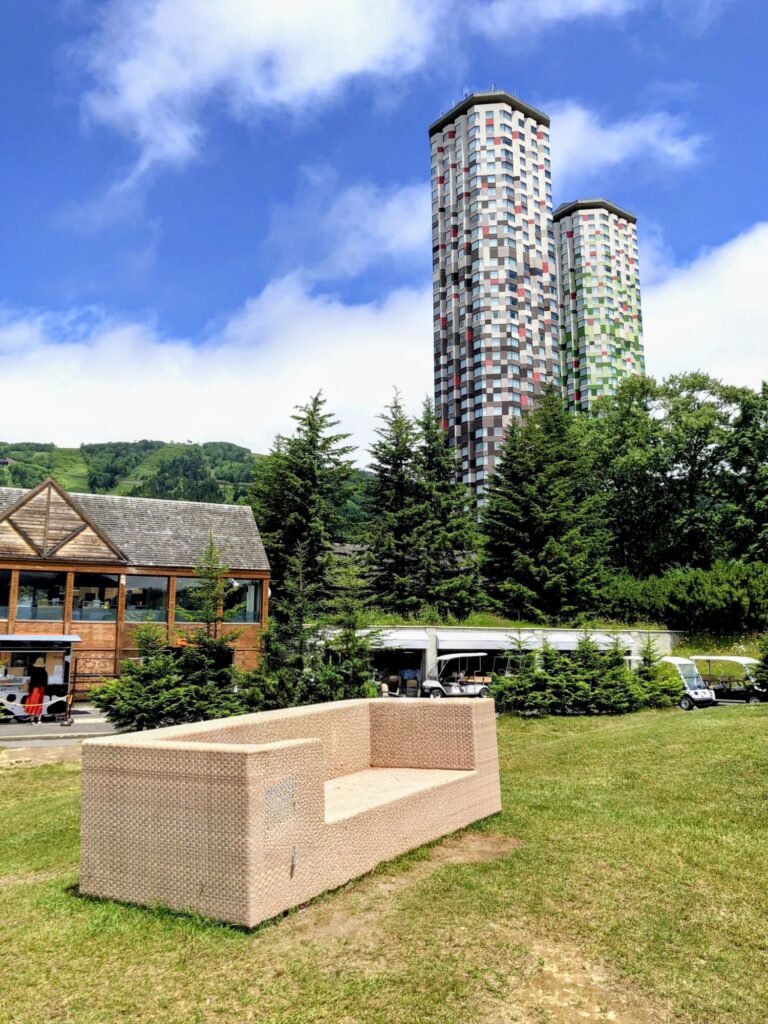
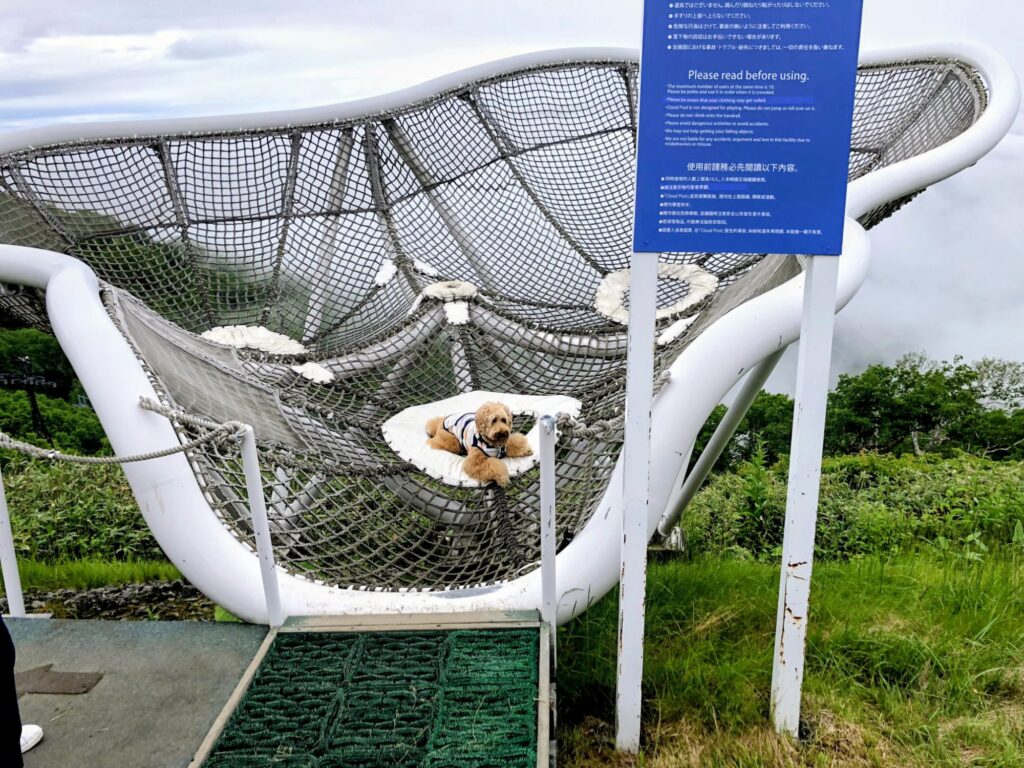
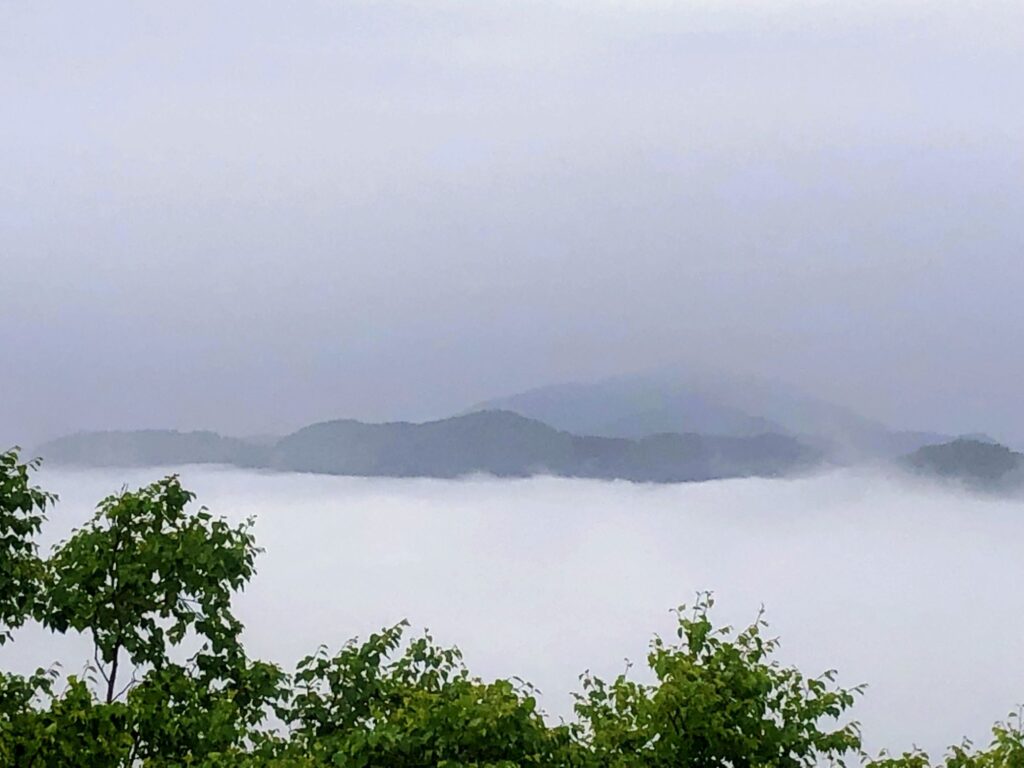
And then there’s the Unkai Terrace. You take a gondola up the mountain early in the morning to look out over a sea of clouds. It’s a natural phenomenon, so there’s no guarantee it appears on any given day, but the view is worth the alarm clock.
The food does not miss
Ramen
Hokkaido means miso ramen. Sumire, Saimi from the same lineage, Ebisoba Ichigen with its shrimp-based broth, and Shingen are the names people cite. Each has real character and you’ll want to work through several.
Asahikawa breaks the pattern: Santouka there is tonkotsu-based. The fact that ramen style shifts by region within one prefecture is part of what makes eating here interesting.
Soup curry
Soup curry originated in Sapporo and is worth seeking out. GARAKU, SUAGE, and Okushiba Shoten are the standards. Chunks of deep-fried vegetables sit in a heavily spiced broth — it’s not quite like anything else.
Check the hotel breakfast buffet
This matters more in Hokkaido than almost anywhere. A lot of hotels include all-you-can-eat seafood at breakfast — salmon roe, fresh fish, as much as you want, first thing in the morning. Given that a seafood rice bowl at a restaurant will cost you a few thousand yen, a room rate that includes that breakfast changes the maths considerably. Compare breakfasts, not just room prices.
One rule for choosing accommodation
Hokkaido is cool even in summer — comfortable during the day, but cool enough at night that you’ll want a layer. So whatever the season, stay somewhere with an onsen.
Every place I stayed had one. After a day of walking or a long drive, whether you can soak makes a real difference to how your body feels the next morning. That holds in August as much as in February.
On price: Hoshino Resorts’ “Hoshinoya” tier is the aspirational one, and honestly it isn’t a casual purchase. But the same company’s OMO and Tomamu properties sit at realistic prices and still deliver a proper resort experience. Within reach of a modest stretch, there are plenty of good options.
📍 Compare hotels across Hokkaido
Practical notes
Cash. Cities and hotels take cards without issue. Smaller restaurants and rural areas often still don’t. Carry some yen, especially outside Sapporo.
Winter disruption. Snow causes flight delays and cancellations at New Chitose more than most Japanese airports. If you’re flying in winter, don’t schedule a tight connection on your departure day, and check the cancellation terms on your bookings.
Cold-weather gear. Winter in Hokkaido is colder than most visitors anticipate. Proper boots with grip matter more than a heavier coat — icy pavement is what actually causes problems.
📍 Get a travel insurance quote 📍 Set up an eSIM before you go
Closing
Hokkaido has shown me something different every time.
In summer: cool air through open windows, lavender and the blue pond, a buggy across the hills. In winter: snow, powder, and hot springs. Either way, the food does not let you down.
The distances are long, but the roads are straight. Pick a few areas instead of trying to cover everything, and book somewhere with an onsen. That alone gets you most of the way to a very good trip.
Leave a Reply