カテゴリー: Asia

  • Traveling Malaysia by Rail | The Perfect Detour Between Thailand and Singapore

    Traveling Malaysia by Rail | The Perfect Detour Between Thailand and Singapore

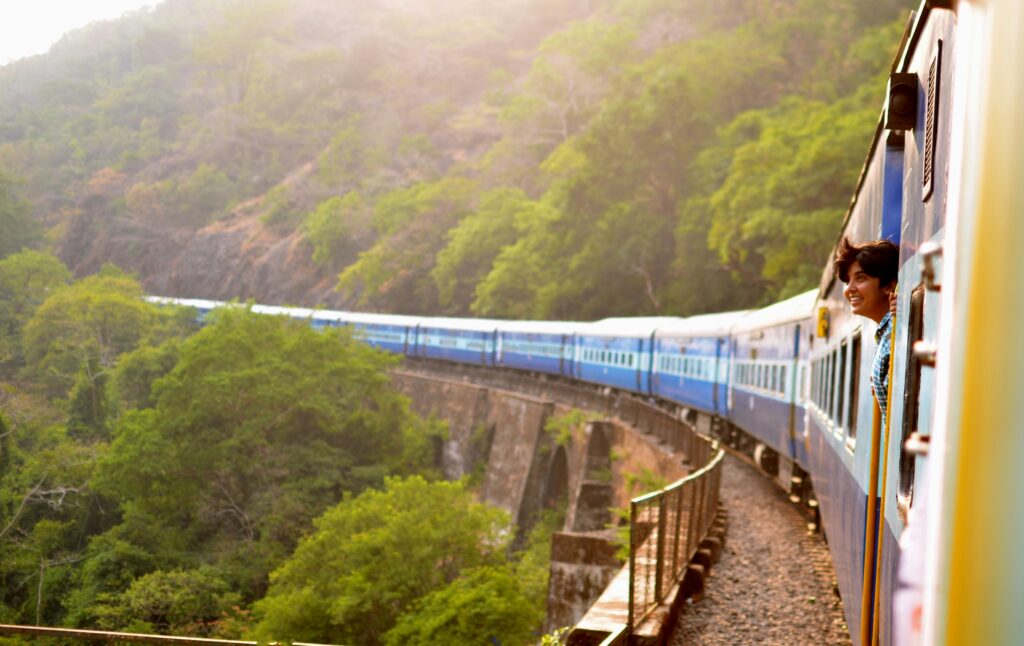
    After exploring Thailand’s beach resorts, I crossed the border by train from Surat Thani into Malaysia. Rolling south through the countryside on a sleeper train, soaking in the atmosphere of the journey itself — this is what travel in Southeast Asia is all about.

    Malaysia tends to get skipped by travelers rushing between Thailand and Singapore. That’s a mistake. Once you actually spend time here, the food alone will make you glad you stopped.


    Crossing the Border by Train

    I boarded the Malay Railway from Surat Thani in southern Thailand and crossed overland into Malaysia.

    Taking the sleeper train all the way from Bangkok to Malaysia is slow, but the atmosphere is hard to beat. Watching the landscape shift as you move south, passing through small towns and jungle — this is a kind of travel that flying simply can’t replicate.

    The Malay Railway border crossing route
    └ Bangkok Central Station sleeper train
      (Train 45 etc.) to Padang Besar
      (approximately 16 hours)
    └ Thai exit and Malaysian entry
      immigration completed at
      Padang Besar station
    └ Transfer to KTM ETS high-speed train
    └ KL Sentral station in about 5.5 hours

    Crossing a land border is a special experience. As of 2026, a special direct service called the “MySawasdee Express” also runs between Hat Yai in southern Thailand and Kuala Lumpur on selected dates.
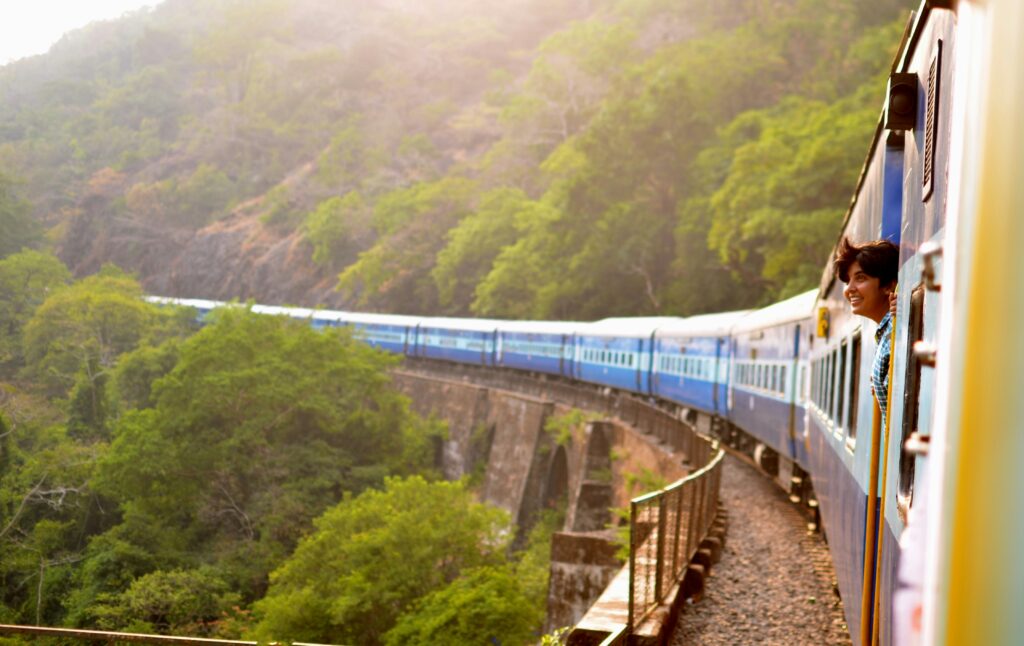
    photo by JK on Unsplash

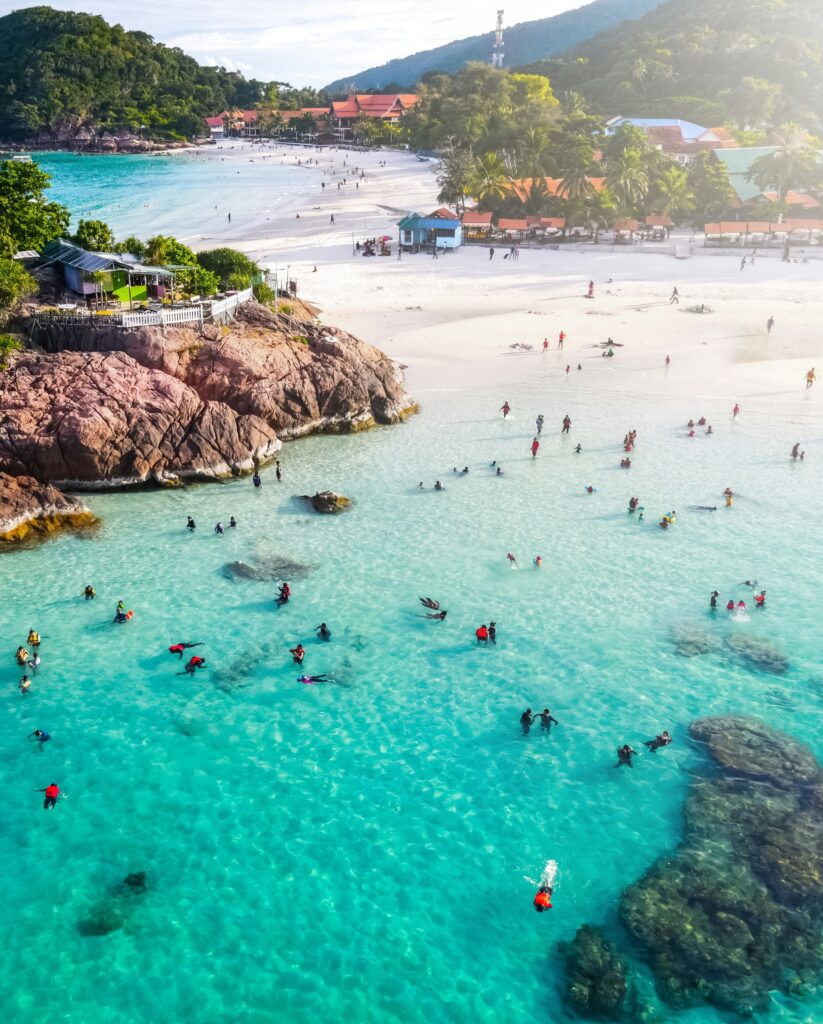
    Langkawi: Beach Resort on the Andaman Sea

    On the Malaysian side of the Andaman Sea sits Langkawi, a beautiful beach destination that holds its own against anything Thailand has to offer.

    Close to the Thai border, this lush island is entirely designated as a duty-free zone. Beer, chocolate and other goods can be bought at prices well below the rest of Malaysia. Beyond the beaches, kayaking tours through the mangrove jungle are popular.

    If you’ve already spent time on Thai beaches, Langkawi still has plenty to offer.
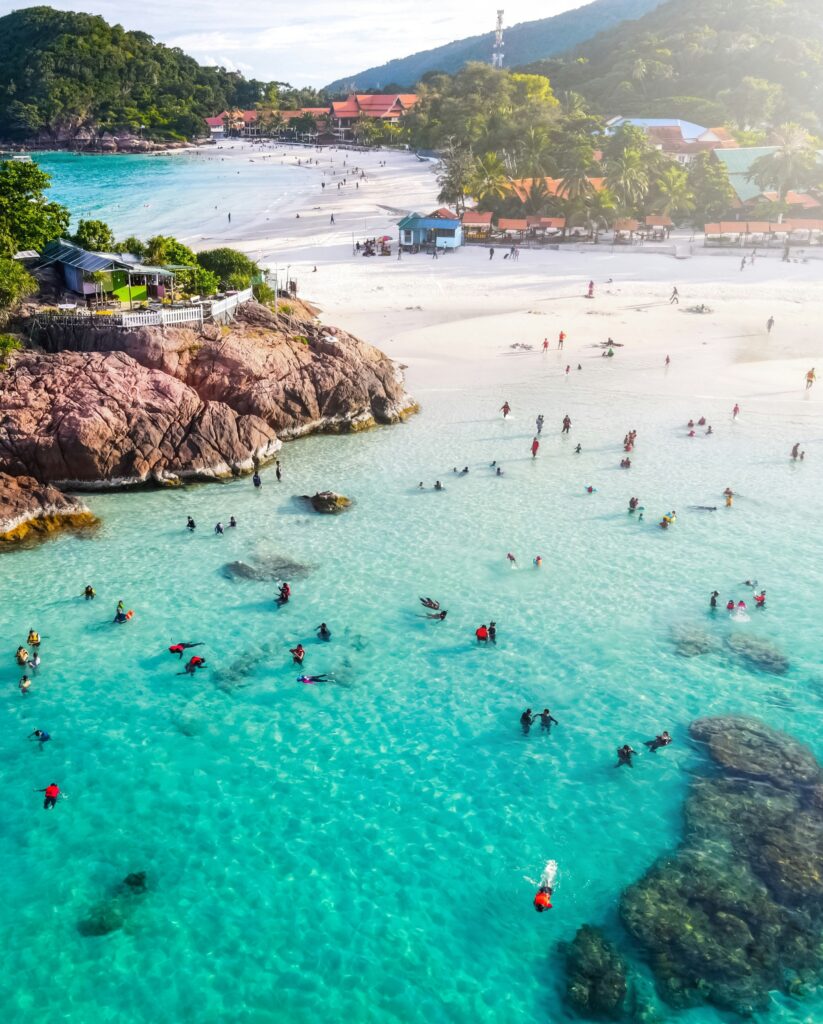
    photo by Nazarizal Mohammad on Unsplash

    The Japanese Food in Penang Shocked Me

    Before heading to Kuala Lumpur, I made a stop in Penang. Something unexpected happened here.

    The Japanese food at a street stall was extraordinary. I ordered katsudon and miso soup, and for a moment I genuinely forgot I was overseas. The quality coming out of a street stall was remarkable.

    Everything else I ate there was equally impressive.

    Penang’s George Town is a UNESCO World Heritage Site, its colonial-era streets lined with famous street murals. But it’s above all known as Malaysia’s premier food city.

    Penang street food highlights
    └ Char Kway Teow
      (stir-fried flat rice noodles)
    └ Assam Laksa
      (sour and spicy fish-based noodle soup)
    └ Gurney Drive and other hawker centers
      packed with locals every evening

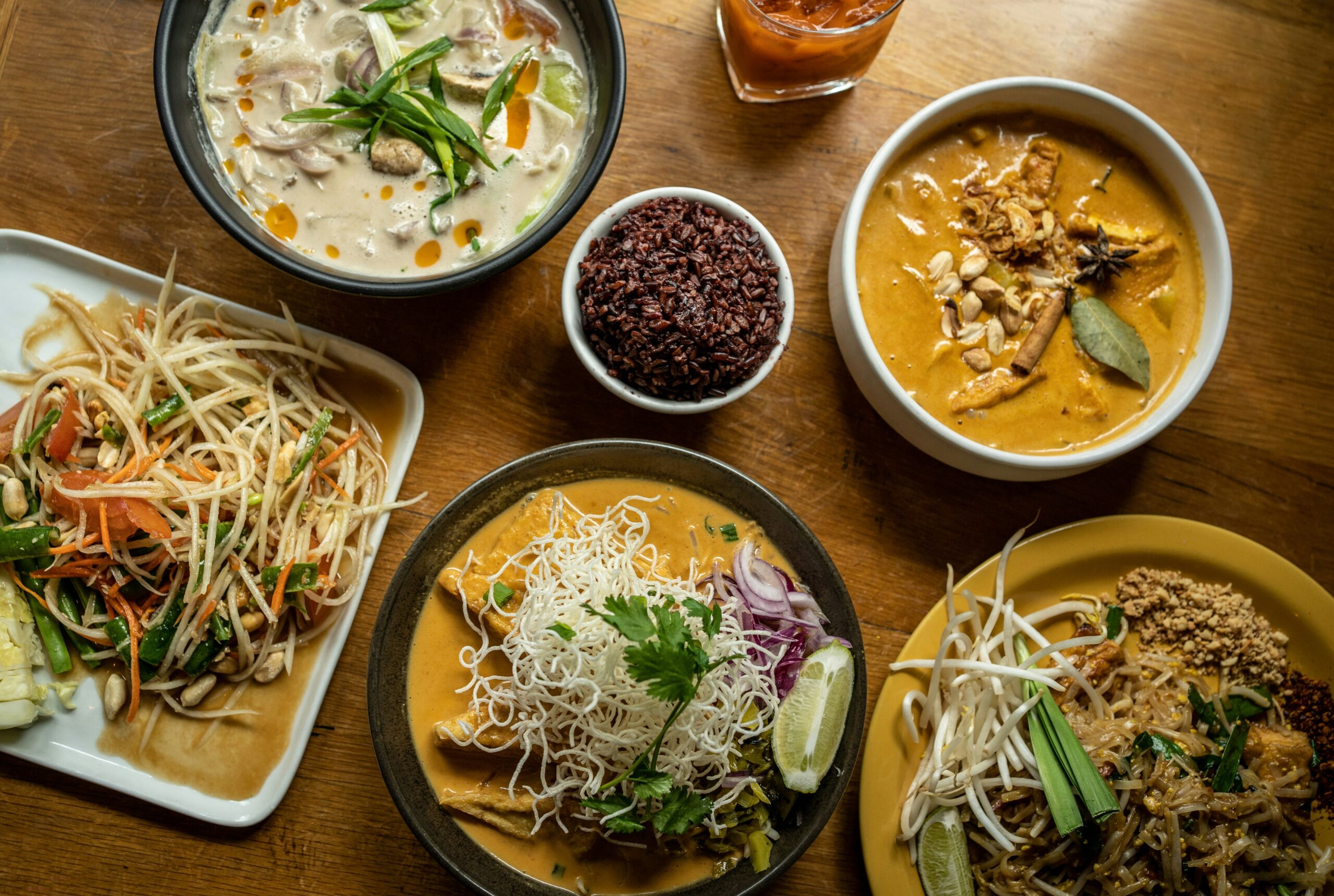
    Malaysian Food Is the Best in Southeast Asia

    Honest opinion: Malaysian food is the best I’ve eaten in Southeast Asia.

    Dishes that stood out
    └ Nasi Lemak (national dish)
      Coconut rice served with
      spicy sambal, anchovies,
      peanuts and boiled egg
      I ate this multiple times every day
    └ Rice with three sides
      (choose your own combination)
    └ Bak Kut Teh
      Pork ribs simmered in
      herbal broth, a Chinese-Malaysian classic
    └ Satay
      Grilled skewers with peanut sauce

    Why is Malaysian food so good? Because Malaysia is a multi-ethnic country. Malay, Indian and Chinese food cultures have merged over generations, producing a range and depth of flavor that’s hard to find anywhere else. The use of spices and coconut milk creates a richness that keeps you coming back.
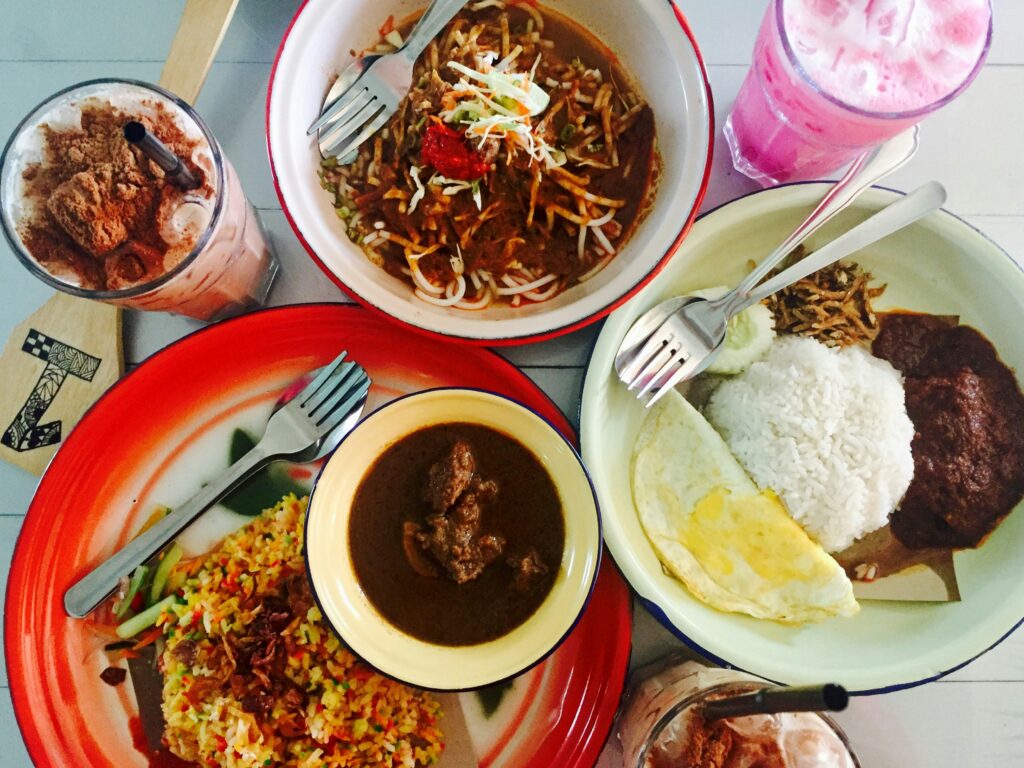
    photo by Damia Mustafa on Unsplash

    Kuala Lumpur Is a Modern City

    Kuala Lumpur was more developed than I expected.

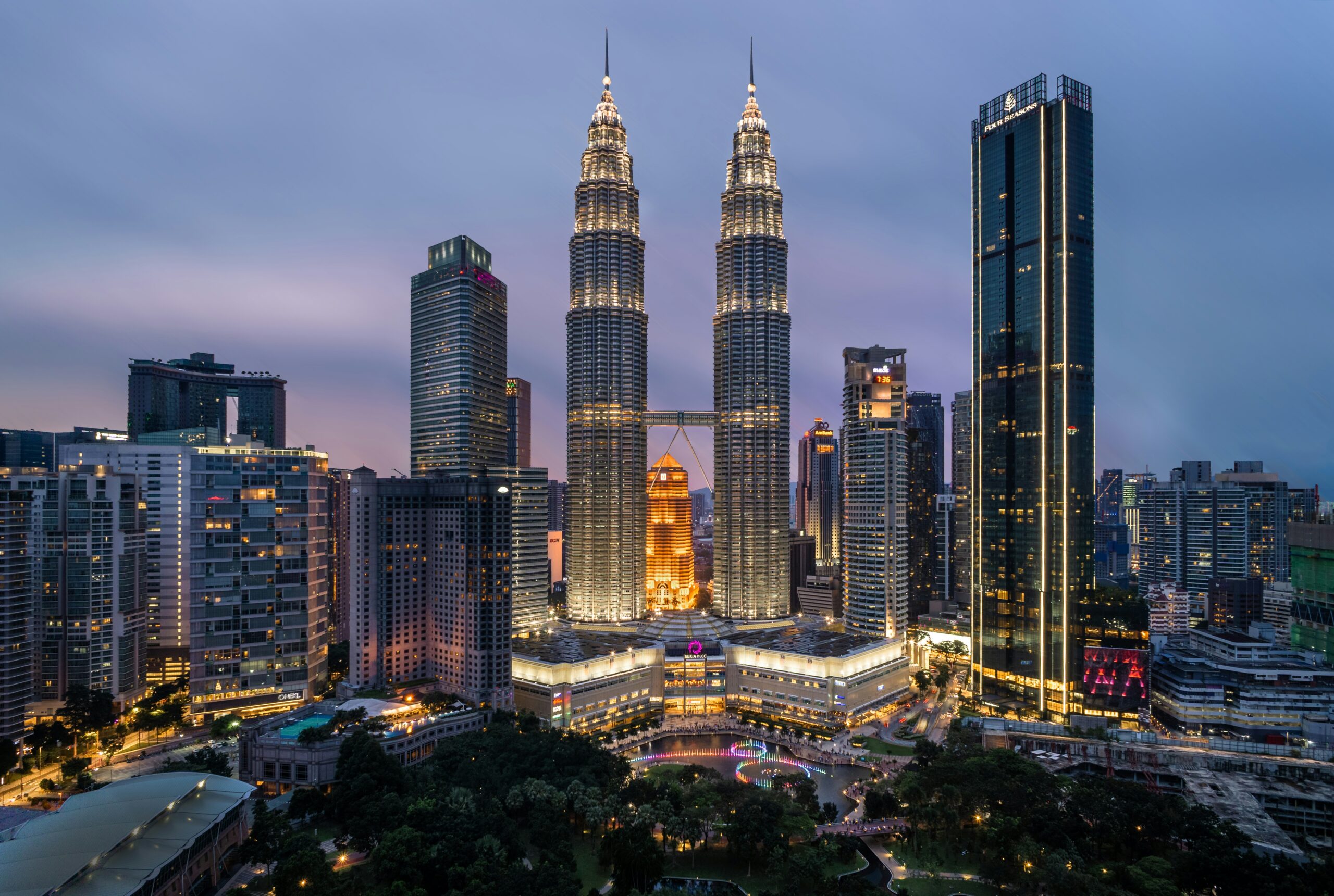
    KLCC (Kuala Lumpur City Centre) is home to the Petronas Twin Towers, the city’s unmistakable symbol. At 452 meters tall, you can visit the Sky Bridge on the 41st floor and the observation deck on the 86th.

    Petronas Twin Towers tips
    └ Tickets are limited
      book online in advance through
      the official site
    └ Walk-up tickets often sell out early
    └ The illuminated towers viewed
      from KLCC Park at night
      are free and spectacular

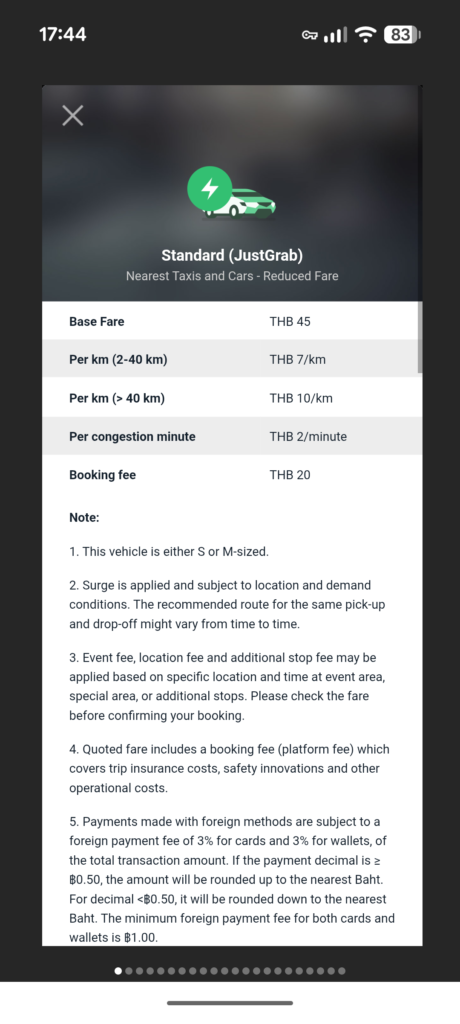
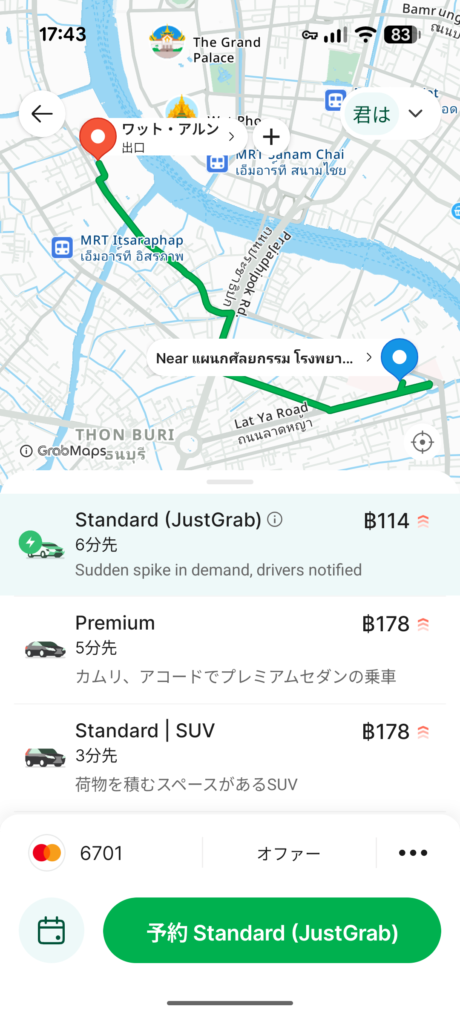
    Grab works seamlessly in Kuala Lumpur. If you’ve already been using it in Thailand, you can use exactly the same app without any setup.
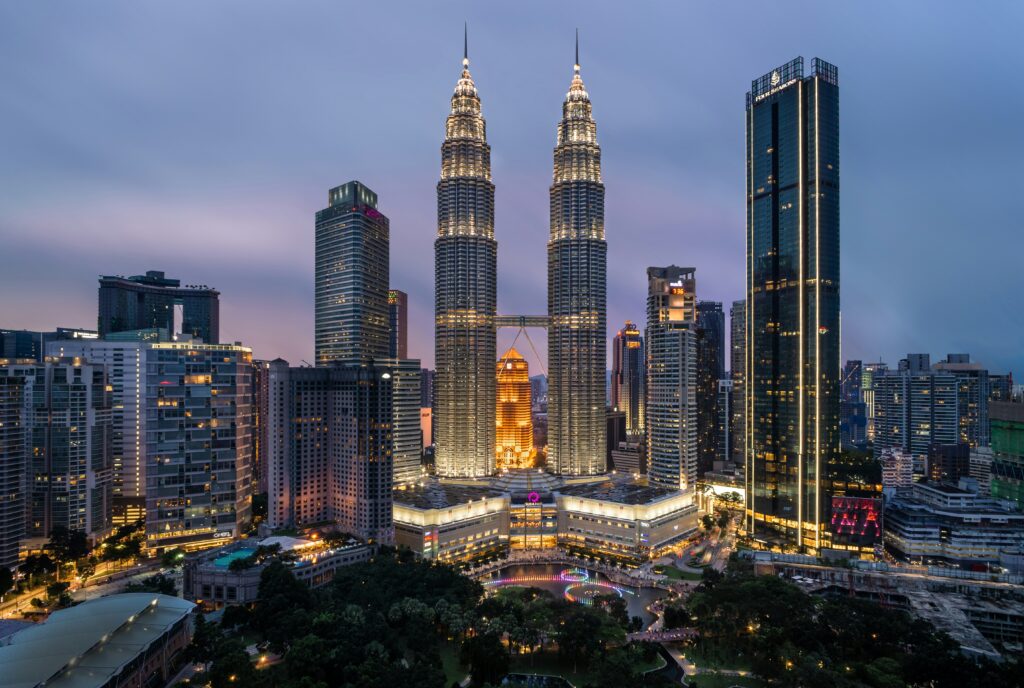
    photo by Esmonde Yong on Unsplash

    Borneo: Wild Orangutans in the Jungle

    A place I didn’t make it to this time, but one that stays on my list.

    Borneo highlights
    └ Sepilok Orangutan
      Rehabilitation Centre
      Watch rescued orangutans
      being fed up close
    └ Kinabatangan River cruise
      Chance to spot wild proboscis
      monkeys and pygmy elephants

    A completely different face of Malaysia from the cities.
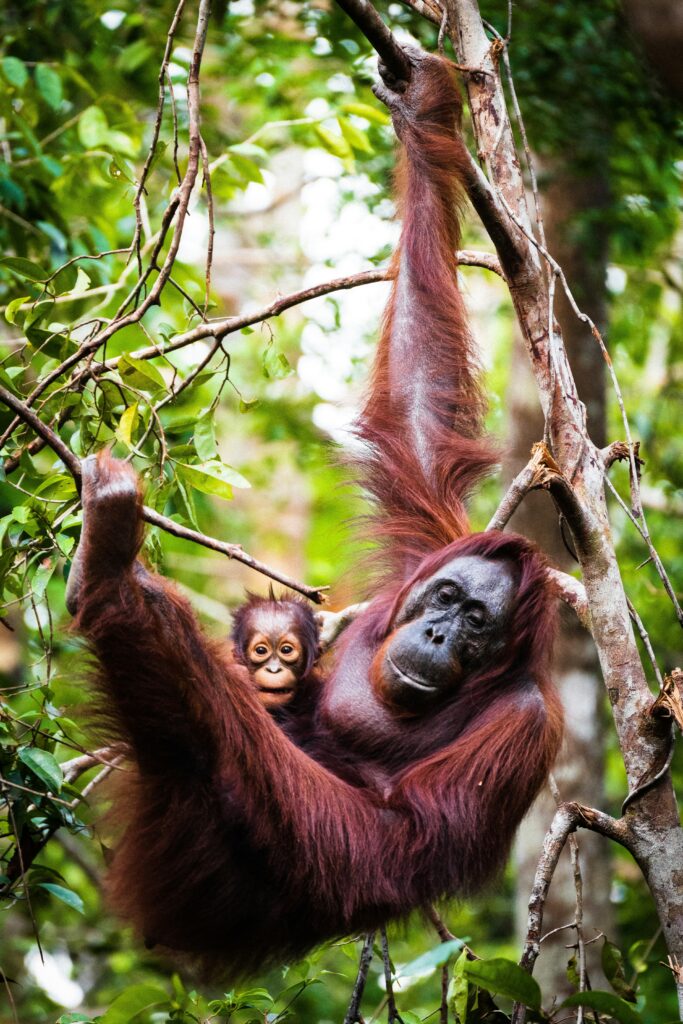
    phtoto by Dimitry B on Unsplash

    Understanding Islamic Culture

    Malaysia is an Islamic country, but it’s a tolerant, multi-religious society. A few things worth knowing.

    Cultural notes
    └ At mosques, cover shoulders and knees
      Robes are often loaned free at
      major mosques
    └ Use your right hand for
      giving, receiving and eating
    └ Muslim-run establishments
      don't serve pork or alcohol
      Chinese and Indian restaurants
      and tourist venues serve both

    Essential Travel Information

    Best season
    └ West coast (KL, Penang, Langkawi)
      November to March is driest
    └ East coast and Borneo
      April to October is best
    
    Cost
    └ Roughly half to two-thirds
      of prices in the US or Europe
    └ Local hawker stalls around
      USD 2-4 per meal
    └ Alcohol is heavily taxed
      and costs similarly to back home
    
    Safety
    └ Relatively safe by
      Southeast Asian standards
    └ Watch for pickpockets and
      bag snatchers in busy areas
    └ Grab is the safest way to get around

    The Perfect Detour Between Thailand and Singapore

    Too many travelers pass straight through Malaysia without stopping. That’s worth reconsidering.

    Low prices, outstanding food, multi-cultural energy, beaches and a modern city all in one country. Grab works everywhere. It’s easy.


    Final Thoughts

    Taking the train south from Thailand, eating my way through Penang, and arriving in Kuala Lumpur on the rail — Malaysia made for a perfect chapter in a longer Southeast Asian journey.

    The food surprised me more than anything else. If you’re planning a trip between Thailand and Singapore, build in a few days here. The detour will be worth it.

    Next stop: Singapore.
  • マレー鉄道で行くマレーシア|タイから南下する東南アジアの寄り道

    タイのビーチリゾートを巡った後、僕はスラタニからマレー鉄道で国境を越えた。バンコクからマレーシアまで寝台列車に揺られながら、旅の風情を存分に味わう。これも東南アジアの醍醐味だ。

    マレーシアはタイとシンガポールの間にありながら、意外と素通りされがちな国だ。しかし実際に旅してみると、食事の美味しさと多様な魅力に驚かされる。今回はタイから南下してマレーシアを縦断した旅の記録だ。


    マレー鉄道で国境を越える

    タイ南部のスラタニからマレー鉄道に乗り、陸路で国境を越えた。

    バンコクからマレーシアまで寝台列車で行くのは、時間はかかるが旅の風情がたまらない。車窓を流れる景色を眺めながら、ゆっくりと南下していく。

    マレー鉄道での国境越えルート
    └ バンコク中央駅から寝台列車
     (45番列車等)でパダンブサールへ
     (約16時間)
    └ パダンブサール駅で
     タイ出国とマレーシア入国を一度に完了
    └ マレー鉄道(KTM)の高速鉄道ETSに乗り換え
    └ KLセントラル駅まで約5.5時間

    陸路の国境越えは、バックパッカーにとって特別な体験だ。2026年現在は特定の連休に合わせて、タイ南部のハジャイからクアラルンプールへ直通する特別列車「MySawasdee Express」も運行されているようだ。

    UnsplashJKが撮影した写真のJKが撮影したイラスト素材

    ランカウイ島のビーチリゾート

    マレーシア側のアンダマン海にも、タイに負けず劣らず素敵なビーチリゾートがある。それがランカウイ島だ。

    タイ国境に近いこの島は自然豊かなリゾートアイランドで、島全体が免税特区に指定されている。ビールやチョコレートなどを格安で購入できるのが旅行者にとって嬉しい。ビーチでのんびりするほか、マングローブのジャングルを探検するカヤックツアーも人気だ。

    タイのビーチを堪能した後でも、十分に楽しめる魅力がある。

    UnsplashNazarizal Mohammadが撮影した写真のNazarizal Mohammadが撮影したイラスト素材

    ペナン島で食べた日本食に驚いた

    クアラルンプールの前に、ペナン島に寄り道した。ここで思わぬ驚きがあった。

    屋台街で食べた日本食のレベルが、とにかく高かったのだ。かつ丼と味噌汁を頼んだのだが、ここが海外だということを完全に忘れてしまうほど美味しかった。屋台でこのクオリティが出せるのかと、本気で感動した。

    もちろん日本食以外の料理も、屋台とは思えないレベルの高さだった。

    ペナン島のジョージタウンはイギリス植民地時代の街並みが残る世界遺産で、ウォールアート探しも定番の楽しみ方だ。そして何より、マレーシア随一の「美食の街」として知られている。

    ペナン島の名物グルメ
    └ チャークイティオ
     (米粉の平打ち麺を炒めたもの)
    └ アッサムラクサ
     (魚介ダシの酸っぱ辛い麺)
    └ ガーニードライブなどの屋台街(ホーカーセンター)

    夜の屋台街は大盛況で、地元の熱気も含めて楽しめる。


    マレーシア料理は東南アジアで一番美味しい

    正直に言うと、東南アジアの中でマレーシア料理が個人的に一番美味しく感じた。

    印象に残った料理
    └ ナシレマ(国民食)
     ココナッツミルクで炊いたご飯に
     甘辛いサンバル・小魚・ピーナッツ・ゆで卵
     滞在中何度も食べた
    └ ライスとおかずを3つ選ぶ定食スタイル
    └ バクテー(肉骨茶)
     豚肉を漢方スープで煮込んだ中華系料理
    └ サテー
     ピーナッツソースで食べる東南アジア風焼き鳥

    なぜこんなに美味しいのか考えてみると、マレーシアが多民族国家だからだろう。マレー系・インド系・中華系の食文化が融合していて、香辛料やココナッツミルクを多用したコクのある味わいが楽しめる。一つの国でこれだけ多様な料理を味わえる場所はそうない。

    UnsplashDamia Mustafaが撮影した写真のDamia Mustafaが撮影したイラスト素材

    クアラルンプールは近代都市

    クアラルンプールは想像以上に近代的な都市だった。

    KLCC(クアラルンプール・シティ・センター)に行ったが、シンボルのペトロナスツインタワーは圧巻だ。高さ452mを誇り、41階のスカイブリッジと86階の展望台に上ることができる。

    ペトロナスツインタワーの注意点
    └ 入場枠が限られているため
     公式サイトでの事前予約が必須
    └ 当日券は朝早くから並ばないと
     買えないことが多い
    └ 夜のライトアップは
     KLCC公園側から無料で楽しめる

    移動にはGrabが便利だ。マレーシアでもGrabは浸透しているので、アプリを活用した方がスムーズに動ける。タイで慣れていれば同じ感覚で使える。

    UnsplashEsmonde Yongが撮影した写真のEsmonde Yongが撮影したイラスト素材

    ボルネオ島には野生のオランウータンがいる

    今回は行けなかったが、マレーシアにはもう一つ大きな魅力がある。ボルネオ島だ。

    ボルネオ島の見どころ
    └ セピロック・オランウータン・
     リハビリテーションセンター
     保護されたオランウータンの
     餌付けシーンを間近で観察できる
    └ キナバタンガン川クルーズ
     野生のテングザルやゾウに
     出会えるチャンスがある

    大自然と野生動物の宝庫で、都市部とはまったく違うマレーシアの顔が見られる。次回はぜひ訪れてみたい場所だ。

    UnsplashDimitry Bが撮影した写真のDimitry Bが撮影したイラスト素材

    知っておきたいイスラム文化

    マレーシアはイスラム教を国教としているが、他宗教にも寛容な多民族国家だ。旅行者として最低限のマナーは知っておきたい。

    イスラム文化での注意点
    └ モスク見学時は肌の露出NG
     長ズボン・ロングスカート着用
     (有名なモスクではローブの無料貸出あり)
    └ 物の受け渡しや食事は右手を使う
     (左手は不浄とされる)
    └ イスラム教徒は豚肉とアルコールを口にしない
     ただし中華系・インド系・観光客向けの店では
     お酒も豚肉も普通に楽しめる

    旅の基本情報

    ベストシーズン
    └ 西海岸(KL・ペナン・ランカウイ)は
     11月〜3月が雨が少ない
    └ ボルネオ島など東側は4月〜10月が最適
    └ 雨季でも短時間のスコールが中心
    
    物価
    └ 日本の2/3〜半額程度
    └ ローカル屋台なら1食300〜500円
    └ ただしアルコールは酒税が高く日本並み
    
    治安
    └ 東南アジアでは比較的安全
    └ スリ・ひったくりには注意
    └ 移動はGrabが安心

    タイからシンガポールへの寄り道に最適

    タイからシンガポールへ向かう途中、マレーシアを素通りしてしまう旅行者は多い。しかし、ここで寄り道する価値は十分にある。

    物価が安く、食事が美味しく、多民族文化で多様性がある。ビーチリゾートも近代都市も楽しめる。Grabが使えて移動も楽だ。


    まとめ

    マレー鉄道でタイから南下し、ペナン島で絶品グルメを味わい、クアラルンプールで近代都市を体験する。マレーシアは東南アジア縦断の旅において、最高の寄り道スポットだ。

    特に食事の美味しさは東南アジアでも随一だと思う。タイからシンガポールへ抜ける旅程を考えているなら、ぜひマレーシアでゆっくり数日過ごしてみてほしい。きっと予想以上の満足感が得られるはずだ。

    次はいよいよ東南アジアの最先端、シンガポールへ向かう。

  • Thailand Travel Guide: What to Pack and When to Go | 20 Years of Hard-Won Lessons

    Thailand Travel Guide: What to Pack and When to Go | 20 Years of Hard-Won Lessons

    After 20 years of traveling to Thailand, I’ve learned what to bring, what to leave behind, and when to go. This guide cuts through the noise and tells you what actually matters.


    Thailand Has Three Seasons

    Cool Season (November - February)
    └ Best season for travel
    └ Less rain, comfortable temperatures
    └ Clearest sea conditions
    └ Higher prices for flights and hotels
    
    Hot Season (March - May)
    └ Hottest time of year, up to 40°C
    └ Songkran water festival
    └ Brutal for daytime sightseeing
    
    Rainy Season (June - October)
    └ Daily heavy downpours, usually 1-2 hours
    └ Cheapest time to travel
    └ Lush scenery and great fruit
    └ Roads can flood
    photo by Evan Krause on Unsplash

    The Biggest Trap: Different Regions Have Different Rain Seasons

    Thailand is long and narrow, so the weather varies dramatically by region. This catches many travelers off guard.

    Bangkok (Central)
    └ Hot year-round
    └ Rainy season brings evening downpours
    
    Chiang Mai (North)
    └ Cool season mornings can drop to 15°C
    └ February-April: smoke and PM2.5
     from agricultural burning
    
    Phuket (Andaman Sea side)
    └ Rainy season: May - October
    └ Many beaches closed to swimming
    
    Koh Tao, Koh Phangan, Koh Samui
    (Gulf of Thailand side)
    └ Rainy season: October - December
    └ Sunny in July and August
    └ Better choice than Phuket
     during summer holidays

    This is crucial. Travelers who visit Phuket during summer often hit the rainy season. The Gulf of Thailand islands are the smarter choice in July and August.

    photo by Ibrahim Rifath on Unsplash

    The Four Things You Actually Need

    After all these years, it comes down to four essentials.

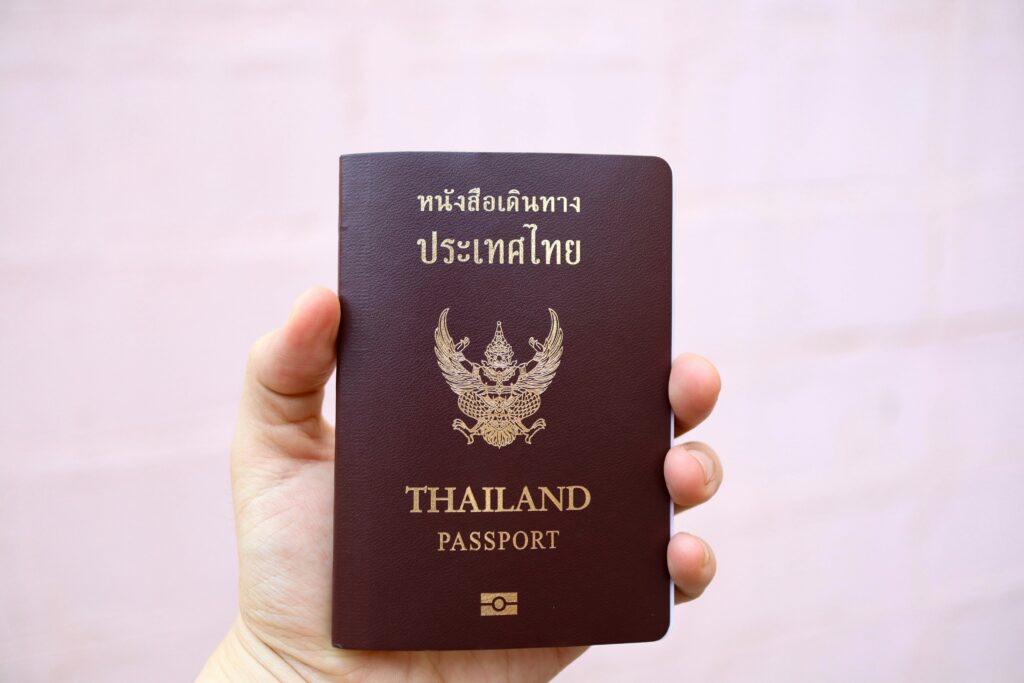
    └ Passport (minimum 6 months validity remaining)
    └ Cash (Thai baht)
    └ Credit card with cash advance function
    └ Smartphone

    Most other things can be bought locally. Thailand has pharmacies everywhere. Travel light and buy what you need when you need it.


    photo by Noppon Meenuch on Unsplash

    Do This Before You Leave

    TDAC (Digital Arrival Card)
    └ Register online up to 72 hours before arrival
    └ Free and mandatory
    
    Check your passport validity
    └ Must have 6+ months remaining
    
    Sort out your mobile data
    └ Check if your current plan covers Thailand
    └ If not, get an eSIM before departure
    └ SIMs are also available at Thai airports
    
    Install Grab
    └ Register your credit card in advance
    └ Makes getting around dramatically easier
    
    Travel insurance
    └ Check if your credit card includes coverage
    └ If not, take out a policy before departure

    photo by Julia Kicova on Unsplash

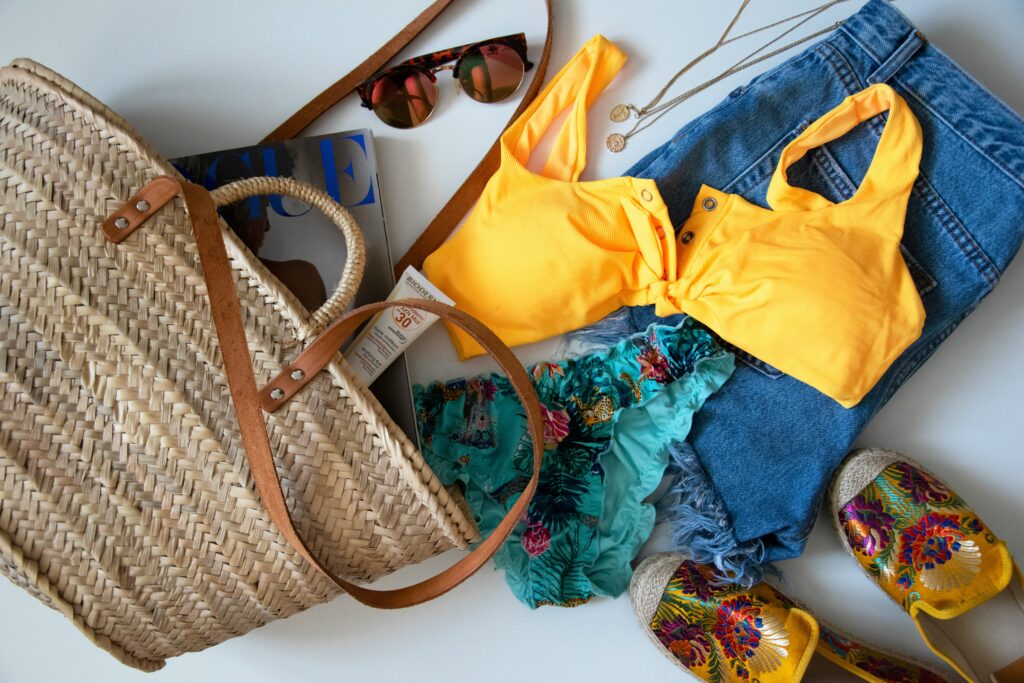
    For Beach Trips

    └ Swimwear
    └ Beach sandals
    └ Reef-safe sunscreen
    └ Motion sickness medication
     (essential for speedboats to islands)
    └ Waterproof phone case

    Motion sickness medicine is not optional on island ferry routes. The boats can get rough. Bring it regardless of whether you think you need it.

    UnsplashThe DK Photography

    Things People Forget

    Something warm to wear

    Long-distance buses and trains in Thailand run their air conditioning at arctic levels. Bring a light jacket or cardigan regardless of the season outside.

    Temple-appropriate clothing

    Temples turn away visitors in sleeveless tops, short shorts, miniskirts, or ripped jeans. Pack a light cover-up and long pants.

    photo by Brenton Williamson on Unsplash

    Wet wipes

    Street food stalls and public toilets often have no paper. Wet wipes earn their weight every single day.

    Reusable bag

    Plastic bags are no longer provided free at convenience stores and supermarkets.


    Watch Out on the Plane

    Neck pillow
    └ Useful for long flights
    
    Inflatable foot rest
    └ Some airlines including Thai Airways
     do not permit these
    └ Check the rules before packing one

    Never Bring These

    E-cigarettes (vapes)
    └ Illegal in Thailand
    └ Confiscation and heavy fines
    └ Leave them at home, no exceptions
    
    Shisha pipes
    └ Also prohibited
    
    Regular cigarettes
    └ These are fine

    E-cigarettes are illegal in Thailand. This surprises many travelers who use them at home. Do not bring them under any circumstances.


    Money and Exchange

    Exchange money in Thailand, not before
    └ Rates at home airports are poor
    └ Bangkok exchange booths offer
     far better rates
    └ Look for Super Rich (green or orange signs)
    
    Always carry cash for
    └ Street food stalls
    └ Tuk-tuks
    └ Small local shops
    └ Tips
    └ Keep small bills handy (20 and 100 baht)
    
    Credit cards work at
    └ Mid to large hotels and restaurants
    └ Shopping malls
    └ Grab ride payments

    Don’t Worry About Food

    If the local food isn’t working for you, McDonald’s, Burger King and other fast food chains are everywhere. There’s always a fallback option.

    photo by Andrew Ly onUnsplash

    When Exhaustion Hits

    Thailand is hot year-round and sightseeing drains energy fast. Every convenience store stocks energy drinks including the original Thai Red Bull. It works. Keep one handy on long travel days.


    Suitcase or Backpack?

    Suitcase makes sense for
    └ Bangkok and Chiang Mai city trips
    └ Hotel-based travel
    └ Buying lots of souvenirs
    
    Backpack makes sense for
    └ Island hopping
    └ Koh Tao and Koh Phangan involve
     boats, beaches and sandy paths
    └ A suitcase becomes a burden fast

    Leave These at Home

    Too many clothes
    └ Laundry services are cheap and everywhere
    └ Buying a local t-shirt is part of the fun
    
    Heavy guidebooks
    └ Your phone handles everything
    
    Heeled shoes
    └ Bangkok pavements are uneven
    └ Sneakers and sandals are all you need

    photo by Sumit Chinchane on Unsplash

    Final Thoughts

    The most important decisions in Thailand are timing and region. Get those right and everything else falls into place.

    For everything else, the four essentials cover you. Travel light, buy what you need locally, and enjoy the fact that Thailand makes everything easy.

    Just leave the e-cigarettes at home. Every time.

  • How a Non-Swimmer Got a Diving License on Koh Tao | The World’s Cheapest Way to Become a Diver

    How a Non-Swimmer Got a Diving License on Koh Tao | The World’s Cheapest Way to Become a Diver

    Koh Tao in Thailand is a mecca for divers from around the world. It’s also the island where you can get a diving license cheaper than anywhere else on earth.

    I’ll be honest with you. I’ve never been a good swimmer. Yet here on Koh Tao I earned my Open Water certification, and went on to get my Advanced license later in Dahab, Egypt. I did it while vomiting from seasickness and getting scolded by a female instructor who refused to let me quit. This is that story.

    photo by Hasmik Ghazaryan Olson on Unsplash

    Getting to Koh Tao from Bangkok

    I traveled from Bangkok on a joint bus and ferry ticket. Most long-distance tours from Bangkok depart from the Khao San Road area, making it a convenient starting point.

    Route 1: Overland (cheapest, classic)
    └ Bus + Ferry
    └ About 10-12 hours
    └ Around 1,250-1,550 baht
    └ Night departure from Khao San, arrive morning
    
    Route 2: Budget flight + ferry
    └ LCC to Chumphon + bus + ferry
    └ About 6-8 hours
    └ Around 2,500-3,500 baht
    
    Route 3: Fastest and most comfortable
    └ Flight to Koh Samui + ferry
    └ About 4-6 hours
    └ Around 5,000-7,000 baht

    If time is limited, flying to Koh Samui and catching the ferry from there is by far the most comfortable option.


    Choose a Dive School in Your Own Language

    There are plenty of dive schools on Koh Tao. When I visited, I chose one with Japanese-speaking staff.

    Most dive schools have accommodation and restaurants on site, so you can enjoy a relaxed resort stay between sessions. That’s one of the great things about Koh Tao.

    English and Japanese-friendly schools (2026)
    └ Big Blue Diving (established Japanese-run shop)
    └ Ban's Diving Resort (world-class mega resort)
    └ Houbouya Koh Tao (20+ years of safe operation)
    └ Coral Grand Divers

    Whatever language you speak, always choose a school that can teach you in your mother tongue. This involves your life. It’s not a place to cut corners.

    photo by Desiree M on Unsplash

    My Instructor Who Claimed to Know a Japanese TV Celebrity

    The instructor assigned to me claimed to be connected to a famous Japanese TV personality. I won’t pretend that made any sense to non-Japanese readers, but it was the kind of strange, memorable detail you only get on the road.

    The group was multinational but everyone clicked immediately. The days spent working toward the license were genuinely fun. Diving alongside people from around the world is one of those travel experiences that stays with you.


    Cost and Time to Get Open Water Certified

    Koh Tao is known as the cheapest place in the world to get a diving license.

    Cost
    └ Around 10,000 baht (approximately USD 280)
    └ Includes materials, certification fees,
      equipment rental
    └ Some schools include free accommodation
    
    Time needed
    └ 3-4 days
    └ Complete online theory in advance
      and you can finish in as little as 3 days

    Underwater Is Another World

    I was never a strong swimmer, but diving is something else entirely compared to snorkeling.

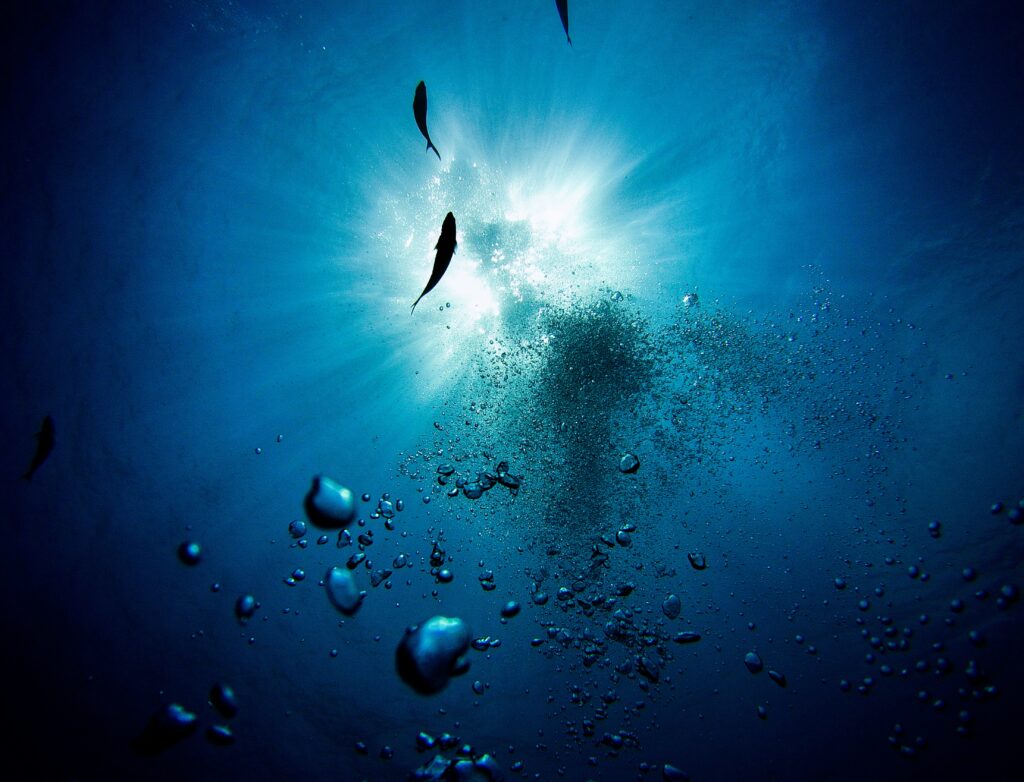
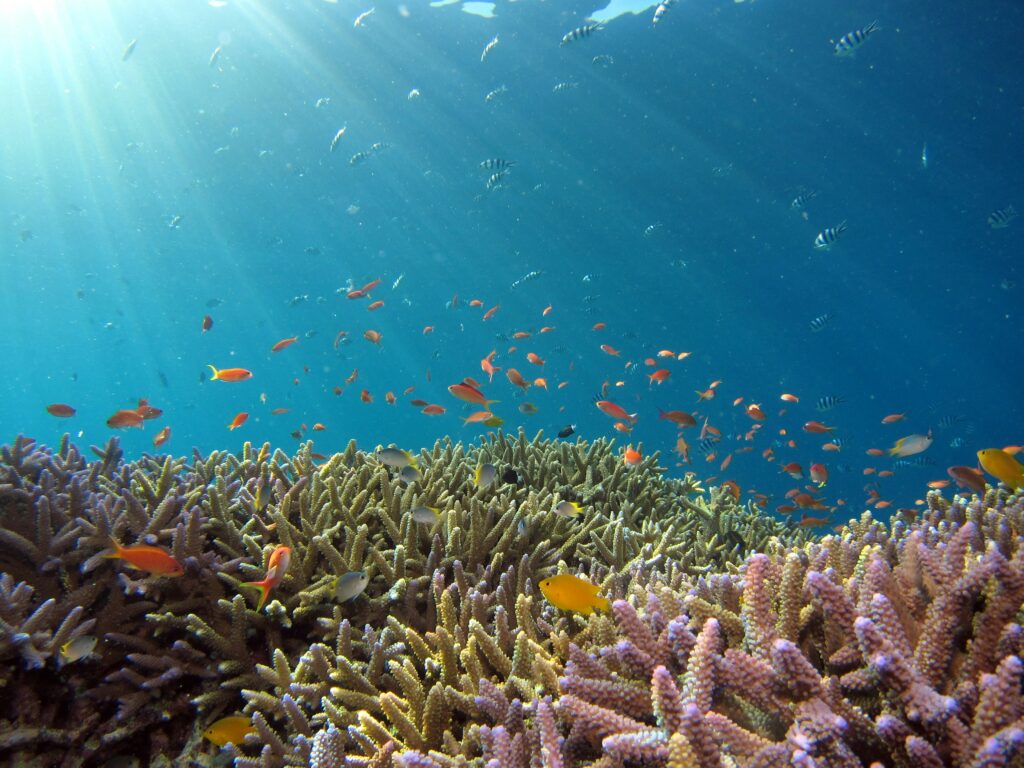
    The moment you descend into clear water and see enormous fish and schools of thousands moving around you, it feels like floating in outer space. That weightless, silent world is unlike anything else I have ever experienced.

    The marine life around Koh Tao is extraordinary.

    What you might see
    └ Giant schools of trevally and barracuda
    └ Yellowstripe scad (like a golden carpet)
    └ Sea turtles and clownfish
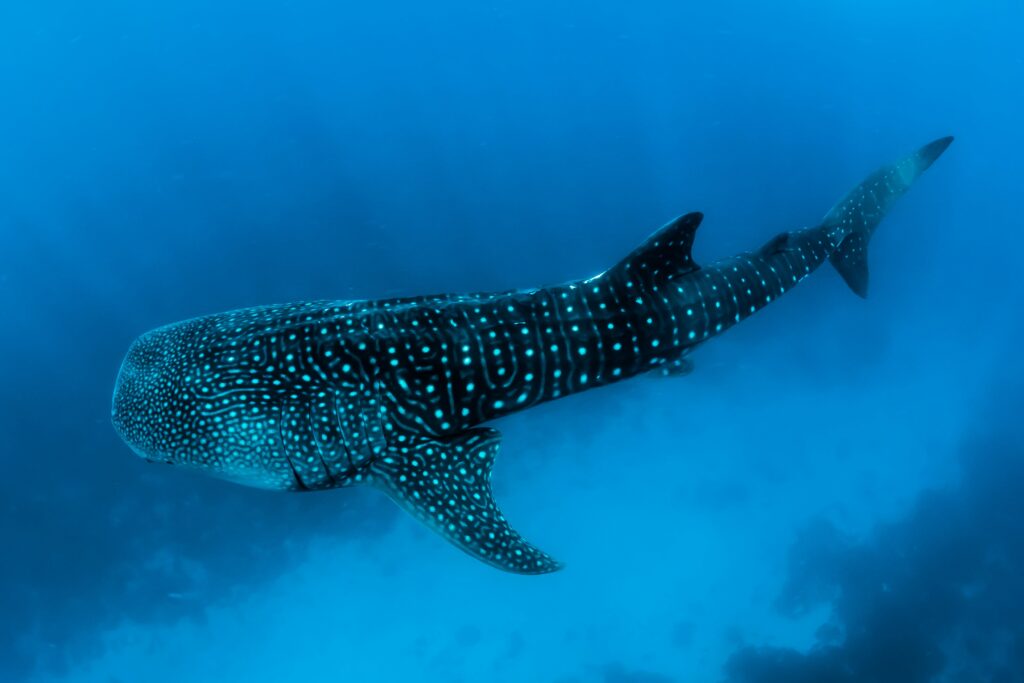
    └ Whale sharks
    photo by Max Gotts on Unsplash

    I Missed the Whale Shark

    Koh Tao is world famous for whale shark sightings. Another group on my trip encountered one. I did not.

    Best times for whale sharks
    └ March - May (dry season)
    └ October - November
    └ Chumphon Pinnacle and other offshore spots

    That remains unfinished business. One day I will swim with one.

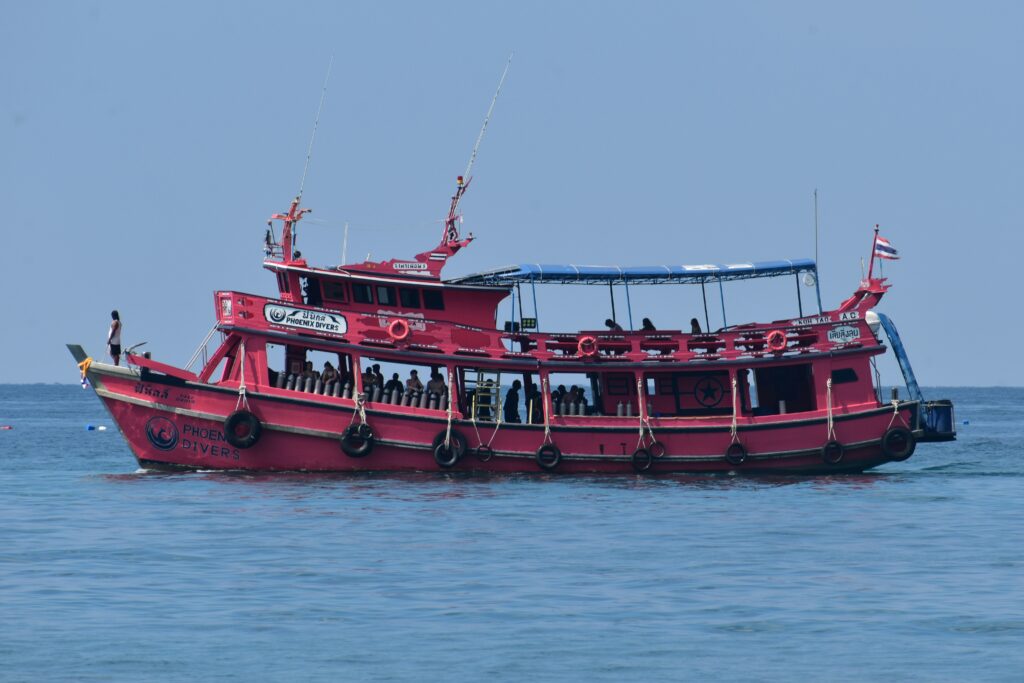
    photo by Sebastian Pena Lambarri on Unsplash

    The Seasickness Was Brutal

    I have to be honest. The worst part of the whole experience was seasickness.

    Koh Tao diving is mostly done from boats, and when the weather turns, those boats rock hard. I got so sick I genuinely wanted to quit and go home. I had earned exactly zero sympathy from my female instructor, who made it very clear that giving up was not an option.

    Surprisingly, once I got underwater, the motion was gone. The ocean below the surface was completely calm.

    The moment I will never forget

    During our first classroom session, the instructor mentioned that if you need to vomit underwater, you can do it through the regulator. Just exhale hard and it clears.

    I used this information sooner than expected.

    What happened next was that a cloud of vomit drifted into the water around me, and within seconds a swarm of fish descended on it, apparently mistaking it for food. It was disgusting and somehow also one of the most memorable moments of the entire trip.

    photo by Hiroko Yoshii on Unsplash

    Seasickness Prevention Is Non-Negotiable

    Learn from my experience. Bring motion sickness medicine.

    Best option in Thailand
    └ Available at 7-Eleven and pharmacies
    └ "Dimenhydrinate" small yellow tablets
    └ Around 10 baht per pack
    └ Take 30 minutes before boarding
    └ Warning: causes strong drowsiness

    On the boat, avoid looking down at your phone. Sit in the middle or rear section where there is airflow, and keep your eyes on the horizon.


    Best Spots on Koh Tao

    Sairee Beach
    └ Largest beach on the island
    └ Cafes, bars, restaurants and shops
    └ Beautiful sunsets and nightlife hub
    
    Koh Nang Yuan
    └ Three small islands connected by white sand
    └ World-class snorkeling
    └ Viewpoint with stunning panoramic views
    └ No plastic allowed on the island
    
    Shark Bay
    └ High chance of spotting blacktip reef sharks
    └ Giant sea turtles often seen here

    Best Season and Important Warnings

    Best season
    └ March - October
    └ Calm seas, visibility 20-30 meters
    └ March-May is peak whale shark season
    
    Avoid
    └ November - December
    └ Monsoon season, rough seas and poor visibility

    Allow enough time before your flight

    After diving, you must wait at least 18 hours before boarding a flight to avoid decompression sickness. Plan your final day carefully.

    Travel insurance is essential

    The island only has basic medical facilities. Serious incidents require evacuation to Koh Samui or the mainland. Make sure your travel insurance covers diving accidents before you go.


    Final Thoughts

    Even a non-swimmer who vomited through a regulator managed to get certified on Koh Tao. And that experience gave me the confidence to go on and earn my Advanced license in Egypt.

    Koh Tao is the most beginner-friendly, most affordable, and most beautiful place to start your diving journey. Poor swimmer or seasickness sufferer, it doesn’t matter. The underwater world waiting for you is worth every moment of discomfort.

    Just bring the motion sickness tablets. That is the one thing I will never stop telling people.

  • Chasing The Beach: The Real Paradise I Found in Phi Phi and Phuket

    Chasing The Beach: The Real Paradise I Found in Phi Phi and Phuket

    I first learned about Phi Phi Island from the Leonardo DiCaprio film “The Beach.” The crystal-clear water and the hidden paradise completely captured my heart back then.

    Funnily enough, on my recent trip to Thailand, “The Beach” happened to be one of the in-flight movies on Thai Airways, so I watched it again after all these years. All that old longing came flooding back. So today, I want to tell the story of how I actually reached that paradise.


    How to Get to Phi Phi Island

    First, head to Phuket

    The usual route to Phi Phi goes through Phuket. Back then, I took a long-distance bus from Khao San Road all the way to Phuket.

    Flying from Bangkok to Phuket is the easiest option, but since it’s connected by land, you can also go by train or long-distance bus. Take a night sleeper and you’ll arrive by morning. If you have time, the overland journey watching Thailand’s scenery pass by isn’t bad at all.

    From Phuket by ferry or speedboat

    There are two ways to cross from Phuket to Phi Phi.

    Large Ferry
    └ Travel time: about 2 hours
    └ One way: 800-1,000 baht
    └ Less rocking, more affordable
    
    Speedboat
    └ Travel time: about 1 hour
    └ One way: 1,300-1,500 baht
    └ Faster but rougher, bring motion sickness pills

    Ferry for the relaxed traveler, speedboat if time is your priority.

    photo by Humphrey M on Unsplash

    Don’t Just Pass Through Phuket

    It’s easy to treat Phuket as a mere transit point, but Phuket itself is a world-class beach resort.

    The sea is beautiful, with diving and water sports on offer. The famous Similan Islands are even reachable as a day trip from Phuket.

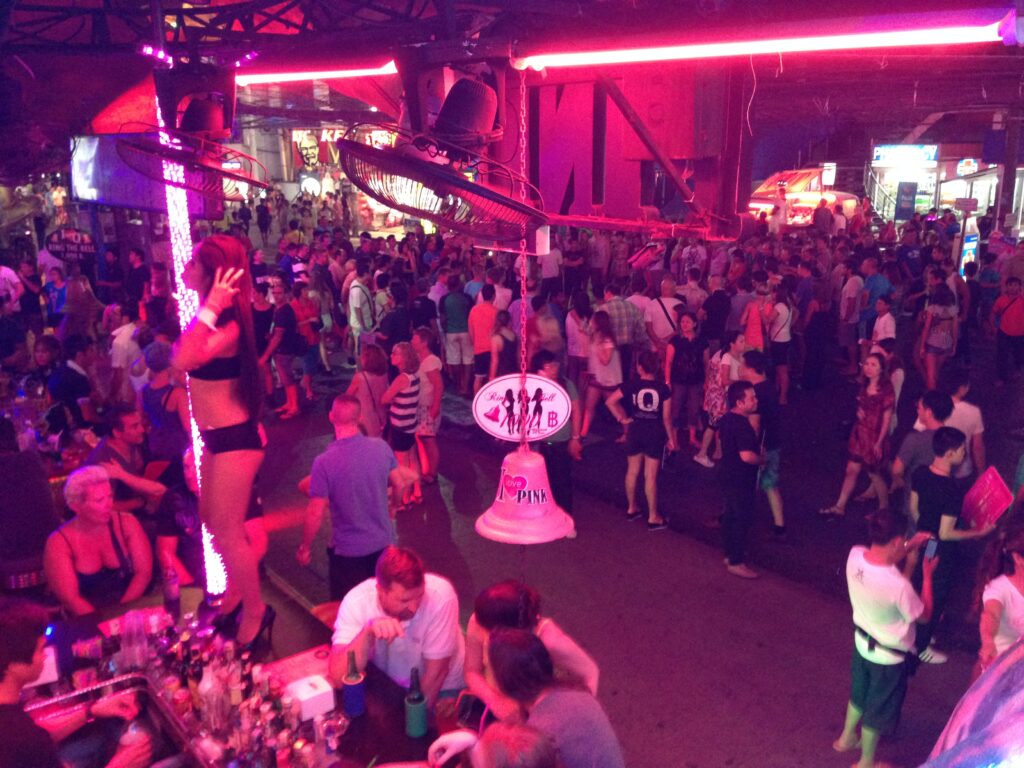
    What surprises me most is the contrast between day and night. By day it’s a relaxed beach resort, but at night the area around Patong Beach transforms completely. Bangla Road becomes a pedestrian entertainment district packed with clubs and bars. Fresh seafood, of course, plus a buzz that rivals Pattaya’s nightlife. The gap never fails to amaze me.

    Recently, stylish beach clubs with infinity pools have been opening one after another, offering a different way to enjoy the island than in the old days.


    The Shock of Arriving at Phi Phi

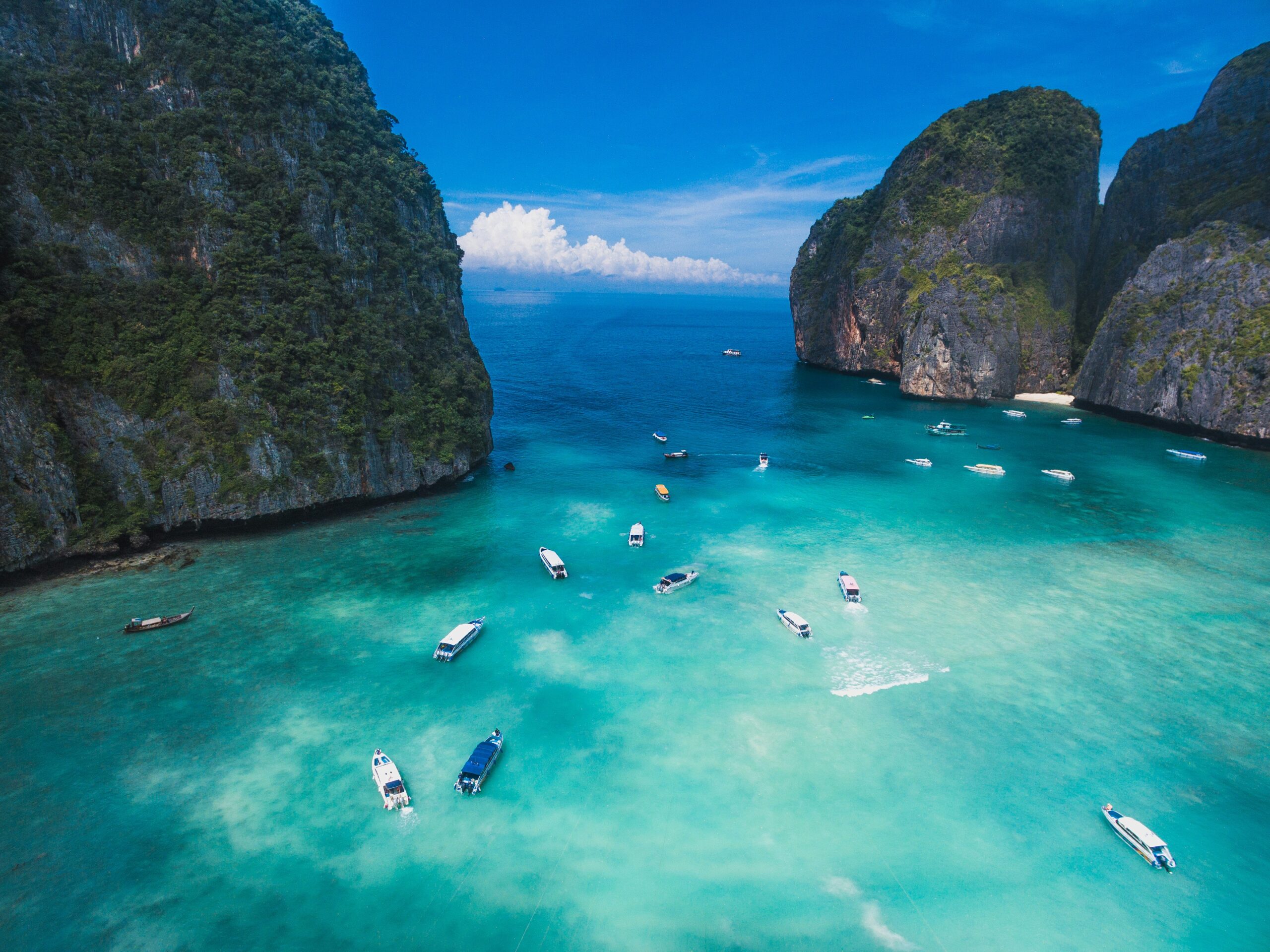
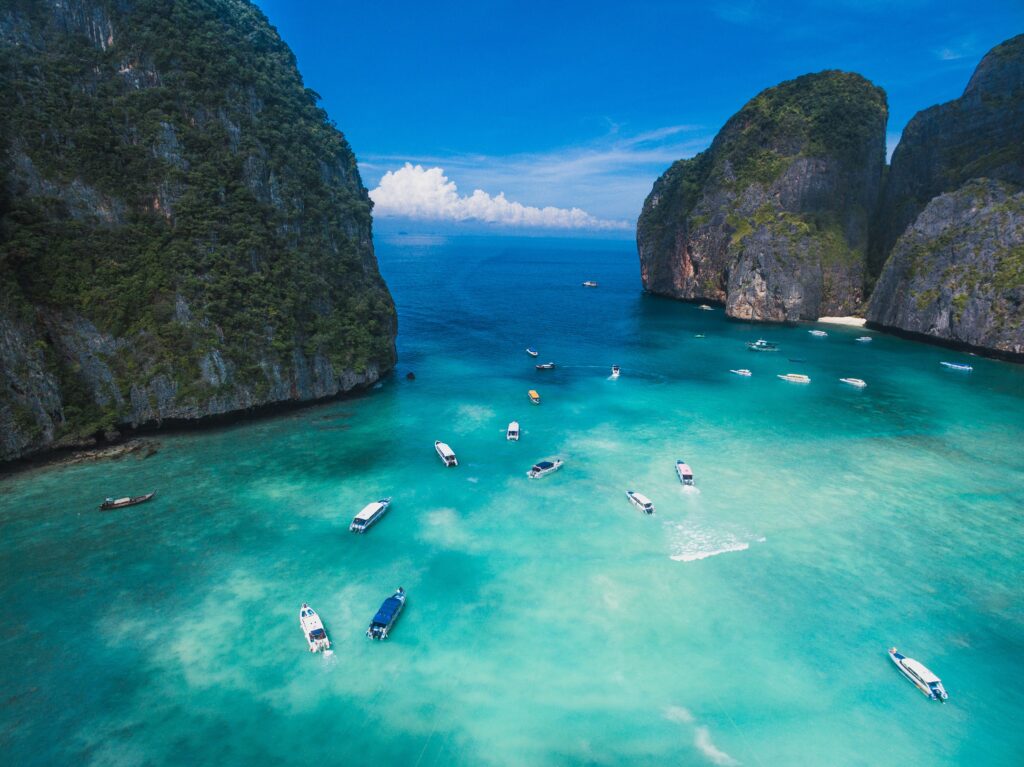
    As the boat approaches Phi Phi, the sheer beauty takes your breath away.

    The water is incredibly clear, but it’s a different kind of beauty than Miyakojima in Okinawa. The emerald green sea matched with Thailand’s distinctive towering limestone cliffs creates a one-of-a-kind landscape. I was completely captivated.

    There are entry fees on arrival

    Phi Phi charges a 20 baht entry fee at Tonsai Pier. If you’re heading to national park areas like Maya Bay, there’s a separate entry fee (400 baht adults, 200 baht children). It’s cash only on site, so keep some small bills handy.

    photo by M o e on Unsplash

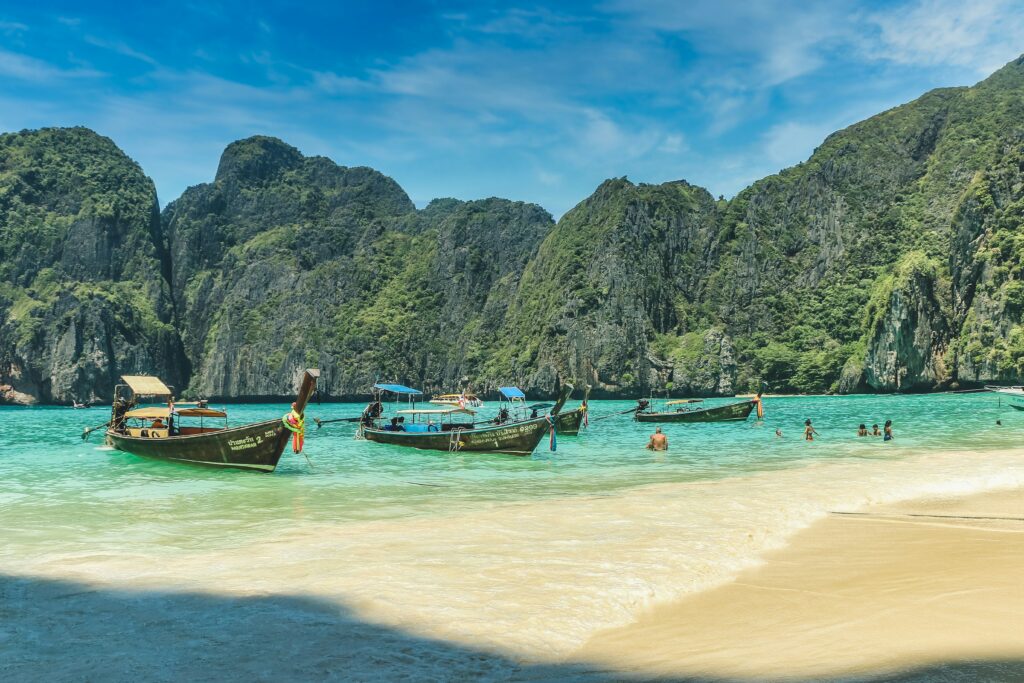
    Maya Bay (The Beach Filming Location) Today

    The legendary Maya Bay now has strict rules in place to protect the environment.

    Current rules
    └ Swimming completely prohibited (ankle-deep OK)
    └ Entire bay closed August 1 - September 30 yearly
    └ Daily visitor limit
    └ Boats land from the back side at Loh Samah Bay

    These measures aim to restore the nature once destroyed by overtourism. Precisely because it’s such a cherished place, we should visit responsibly.


    Recommended Spots on Phi Phi

    Pileh Lagoon
    └ A cove like a natural pool surrounded by cliffs
    └ Hugely popular for boat photography
    
    Loh Dalum Bay
    └ A beautiful shallow beach
    └ Fire shows and beach parties at night
    
    Monkey Beach
    └ A beach where wild monkeys live
    └ Watch out for them stealing your belongings

    Snorkeling and Diving

    The waters around Phi Phi stay warm at 28-30°C year-round with excellent visibility. You have a high chance of encountering sea turtles and blacktip reef sharks. The sharks are a gentle species, so there’s no need to worry.

    There are dive shops with Japanese-speaking staff, and intro dives without a license are popular too. Experiencing your very first dive here would be unforgettable.


    Accommodation from Budget to Luxury

    I stayed at a budget backpacker bungalow in central Phi Phi. I was young, and it was more than enough to make me happy.

    Phi Phi accommodation areas
    └ Tonsai to Loh Dalum Bay
     Central, convenient, everything available
    └ Laem Tong Bay (north end)
     Boat access only, luxury resorts
     Quiet, for grown-ups

    You can choose based on budget and style. Budget once, luxury someday, that’s a fun way to do it.

    photo by Denys Nevozhai on Unsplash

    How I Spent My Days on Phi Phi

    Here’s my ideal day on the island.

    By day, I simply relax on the beach or snorkel in the crystal-clear water, swimming alongside fish that feel close enough to touch.

    The highlight is sunset. Sipping a cocktail at a stylish cafe, listening to nothing but the sea breeze and the sound of the waves as the sun goes down. That moment was truly magical, the paradise I’d longed for from the movie sitting right before my eyes.


    The Best Season Differs Slightly from Bangkok

    This is a surprising pitfall. The southern islands of Thailand have slightly different weather from Bangkok.

    November - April (dry season)
    └ Best season
    └ Calm waves, little rain
    └ Highest water clarity
    
    May - October (rainy season)
    └ More squalls, rougher seas
    └ Cheaper hotels
    └ Surf season on the Phuket side

    The Similan Islands are seasonal

    The Similan Islands are open only from October 15 to May 15, completely closed otherwise. Advance registration and e-tickets are required, and overnight stays are banned (day trips only), so you need to plan ahead.


    Always Follow the Environmental Rules

    In recent years, strict rules with penalties have been introduced.

    Sunscreen
    └ Products with reef-harming chemicals
     banned in national parks
    └ Fines up to 100,000 baht
    └ Use "Reef Safe" labeled products
    
    Others
    └ No single-use plastics
    └ No walking on coral or feeding fish

    To preserve this paradise for future generations, these are absolutely worth following.


    Final Thoughts

    The Phi Phi Island I traveled to chasing “The Beach” didn’t just meet my expectations, it exceeded them. The emerald sea, the towering cliffs, the sunset cocktails. Everything was perfect.

    Enjoy the resort and nightlife in Phuket, then immerse yourself in the real paradise of Phi Phi. If you’ve ever dreamed over that movie, it’s worth seeing with your own eyes at least once. Watch “The Beach” on your flight, and you’ll surely want to go again.

  • A Local’s Guide to Thai Street Food: What’s Actually Worth Eating After 20 Years

    A Local’s Guide to Thai Street Food: What’s Actually Worth Eating After 20 Years

    The heart of Thai cuisine is street food. Cheap, delicious, and served with the atmosphere of the place itself. After 20 years of traveling to Thailand, here’s my honest take on what’s truly worth eating and how to eat it.

    photo by Alexandra Tran on Unsplash

    Let’s Start with My Legendary Tom Yum Goong Disaster

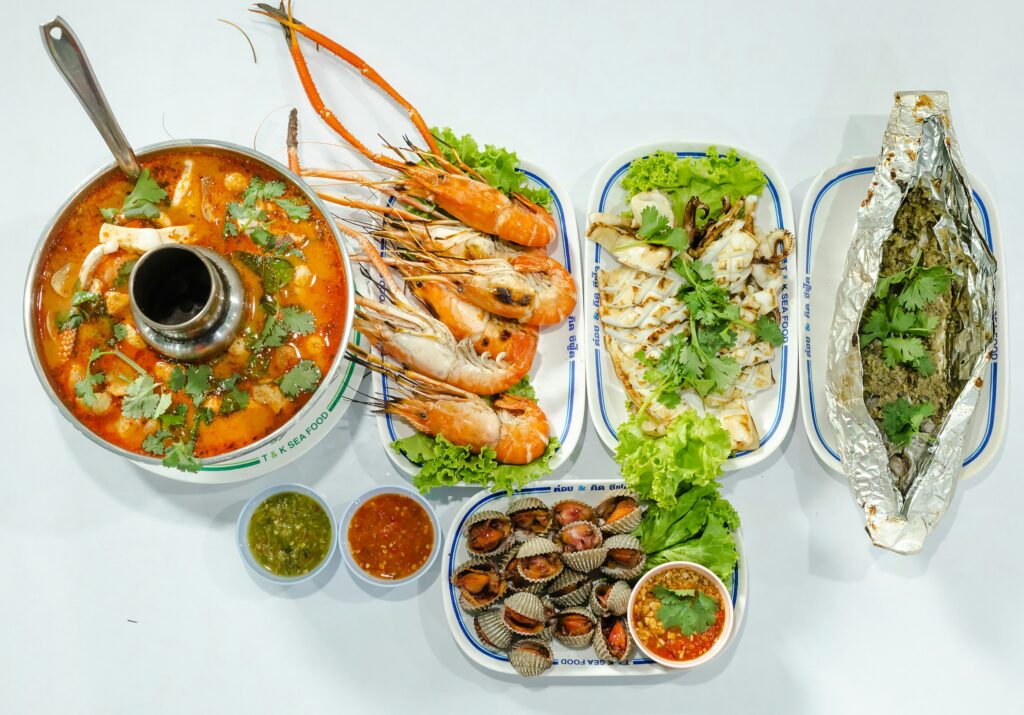
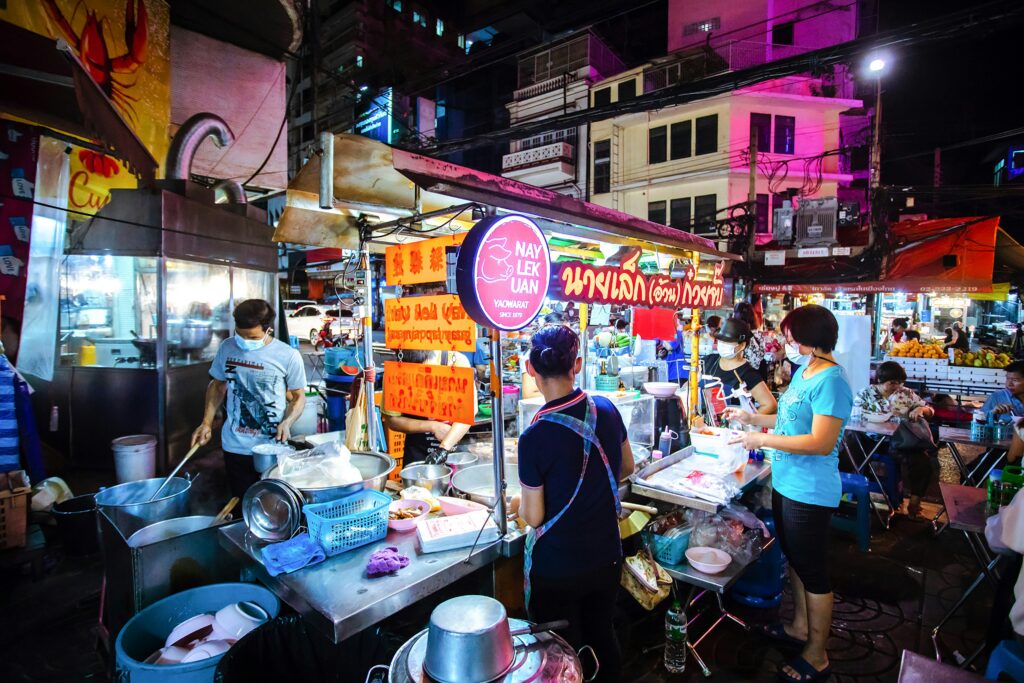
    The first time I went to Yaowarat (Bangkok’s Chinatown), I ordered tom yum goong, one of the world’s three great soups. It arrived dramatically in a large pot with a hole in the middle, and I was thrilled at how authentic it looked. That joy lasted about ten seconds. The heat was beyond anything I had imagined. As I writhed in pain with tears streaming down my face, the group of Thai people next to me burst out laughing.

    Desperate, I ordered a fresh-squeezed orange juice, and it was so sweet and delicious it might have saved my life. I’ll never forget that glass.

    Funny thing is, despite that traumatic experience, I now order that quirky soup every single time I visit. I’ve become so addicted that I buy tom yum flavored cup noodles at convenience stores and supermarkets for late-night snacks. Thai flavors hit you slowly, even when they’re too spicy at first.

    photo by Streets of Food on Unsplash

    Yaowarat (Chinatown) Is the Best

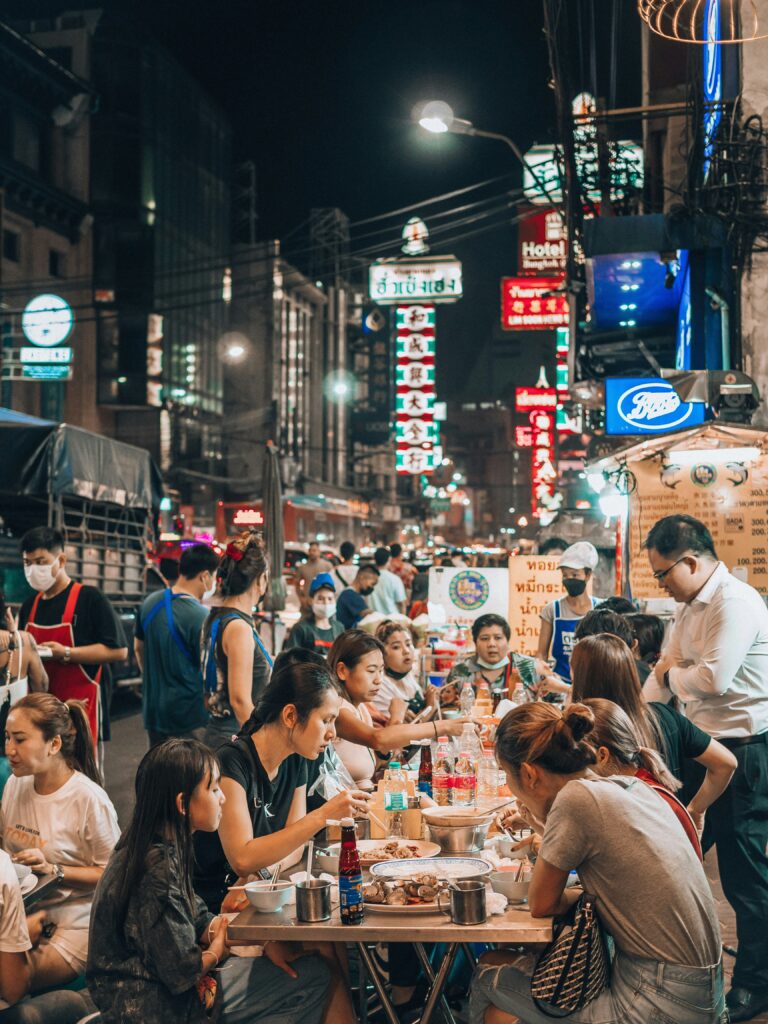
    In my personal opinion, the best street food in Thailand is found in Yaowarat. As evening falls, lively food stalls appear all along the street, and the aroma of dishes cooked in giant woks fills the air. It has the dignity you’d expect from a proper Chinatown.

    Being Chinatown, there are plenty of delicacies too, even shark fin and bird’s nest. Portions are large, so the best way to enjoy it is to share with a group. That energetic atmosphere is worth experiencing at least once.

    photo by Yoav Aziz on Unsplash

    Bami Nam, the Thai Street Ramen

    The dish I order at almost every stall is bami nam (Thai-Chinese noodle soup). Like Japanese shoyu ramen, it’s based on nam pla (fish sauce). That’s why the taste is similar at any stall, and the broth is consistently delicious.

    Thai street stall tables usually have vinegar, sugar, chili, and nam pla available. You can add nam pla to adjust the flavor to your liking. But here’s the funny part: it tastes great added to the soup, yet the undiluted sauce smells terrible up close. That’s the charm of Thailand.


    My Pick Is Poo Pad Pong Curry

    When it comes to Thai curry, coconut-based soups like green and red curry are the mainstream, but my personal favorite is poo pad pong curry (crab stir-fried in curry powder). To be honest, it tastes less like curry and more like the egg sauce on a Japanese katsudon.

    Poo pad pong curry is famous at restaurants with a crab logo, of which there are several branches. Perhaps because they’re so famous, one even had a photo of the Japanese Emperor on display.

    [Official] Check out Somboon’s signature Fluffy Egg & Crab Curry on Instagram!

    https://www.instagram.com/somboonseafood

    And massaman curry, once named the world’s most delicious dish by CNN, is also a must-try. It’s a sweeter curry with peanuts and potatoes. Choose one where the chicken has been simmered until it falls apart.


    photo by Busy Bee and Green Tea on Unsplash

    Quick Reference: Classic Dishes

    DishDescriptionPrice
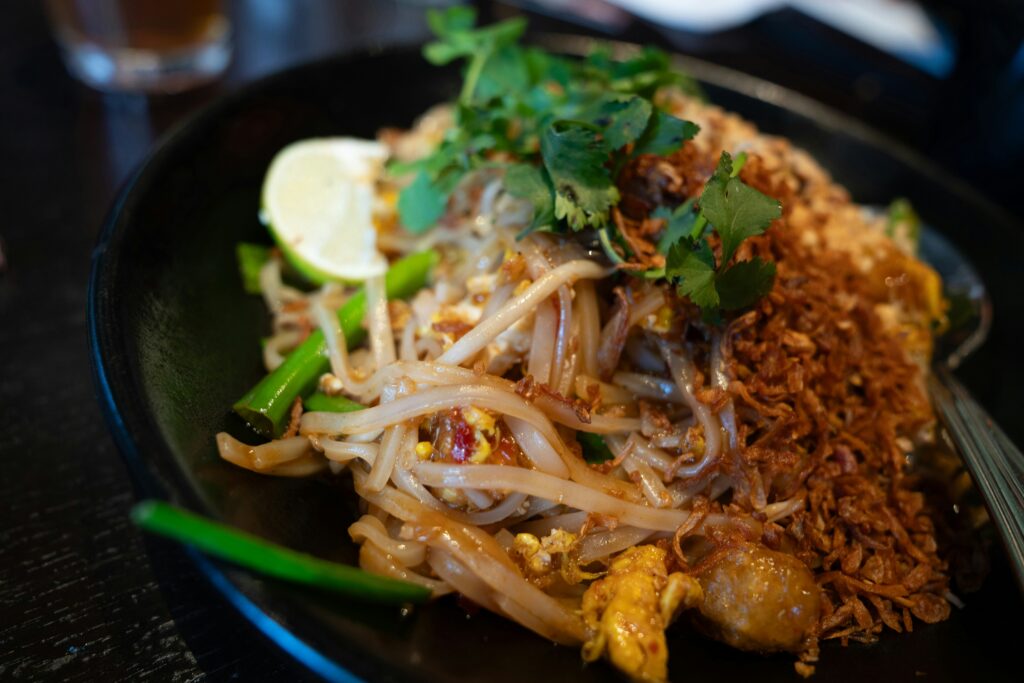
    Pad ThaiSweet-sour rice noodles, not spicy60-80B
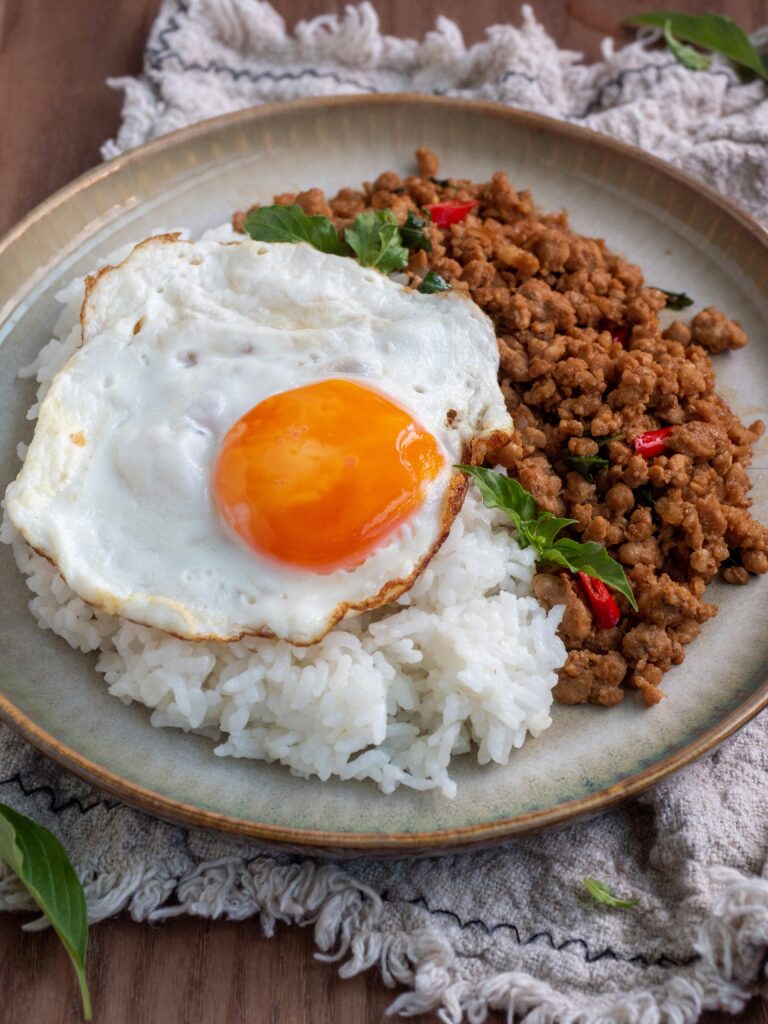
    Gaprao RiceBasil and chili stir-fry over rice50-70B
    Tom Yum GoongOne of the world’s 3 great soups150-250B
    Khao Man GaiPoached chicken rice, not spicy50-75B
    Som TamGreen papaya salad, very spicy50-70B
    Green CurryCoconut sweetness with green chili80-120B
    Khao SoiChiang Mai’s curry noodle dish60-90B
    Poo Pad Pong CurryCrab stir-fried with curry and egg200-400B
    JokThai rice porridge, gentle on the stomach40-60B
    Massaman CurrySweet curry once ranked #1 by CNN100-150B

    If you can’t handle spice, “mai pet” (not spicy) is the magic phrase.

    phpto by Vicky Ng on Unsplash

    How Thailand’s Street Food Scene Has Changed

    Bangkok’s street food situation has changed dramatically in recent years.

    Traditional roadside stalls have drastically decreased

    Bangkok’s sidewalk cleanup campaign has removed stalls from major roads one after another. The famous Sukhumvit Soi 38 stall street, once beloved by Japanese tourists, was one casualty. Thailand is gradually shifting toward a “managed, clean culture” much like Singapore.
    Food courts are now mainstream

    Instead, the flavors of street stalls have concentrated in shopping center food courts. They’re air-conditioned, perfect for the hot season or rainy season, cheap, and reassuring when it comes to hygiene.

    To taste the old atmosphere

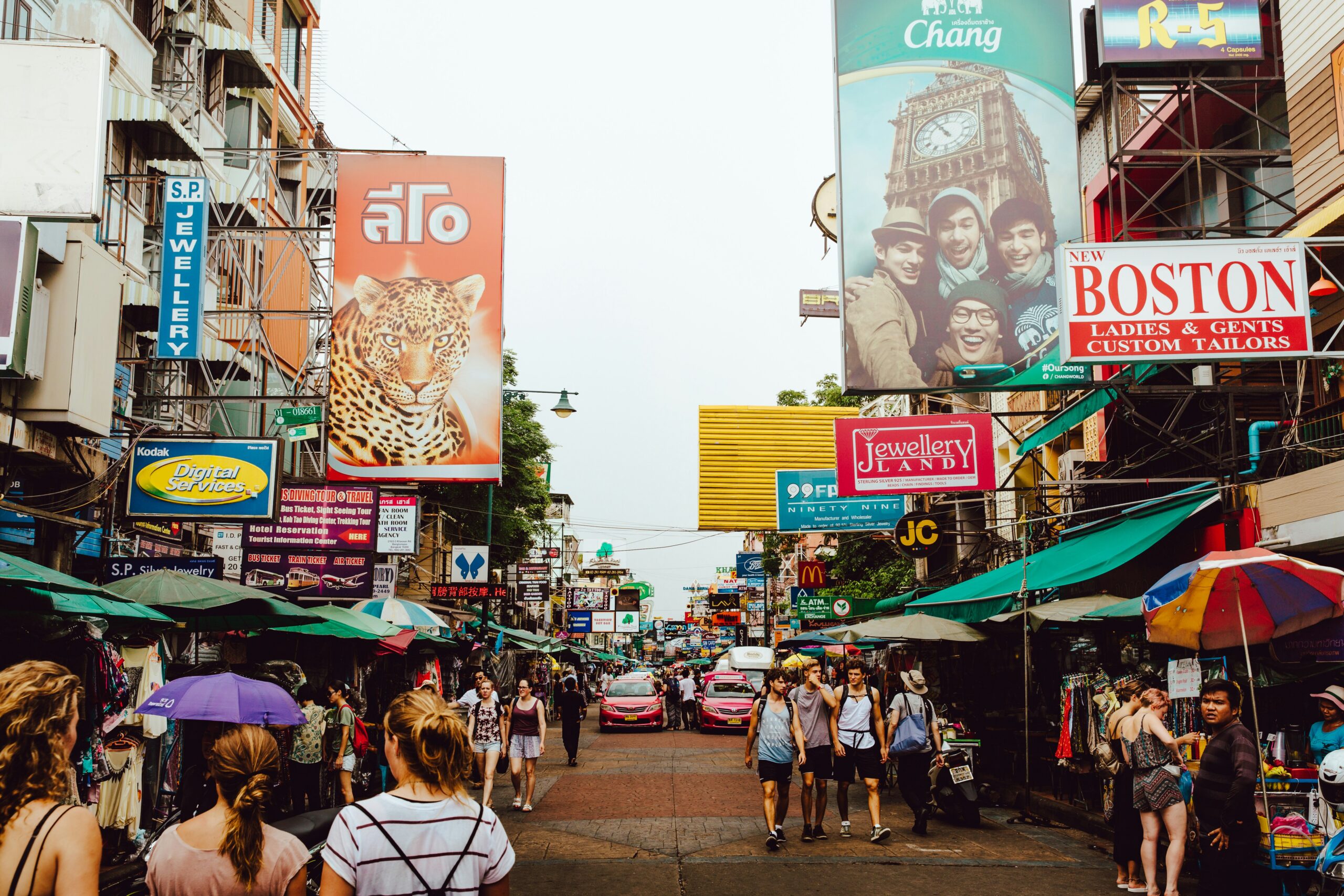
    If you still want that chaotic energy, I recommend Yaowarat (Chinatown) or Khao San Road. Both are specially permitted to operate stalls as tourism resources. At Khao San you can eat cheap pad thai and khao man gai while soaking up the atmosphere.

    The countryside remains unchanged

    By the way, in Chiang Mai, the Isaan region, or the outskirts of Bangkok, sidecar motorcycle stalls still line the roads every evening. The old-school local scene is alive and well outside the capital.


    Tips for Not Failing at Street Food

    Choose stalls where locals are lining up

    This is the golden rule. A line means fast turnover and fresh ingredients. When in doubt, pick the crowded stall.

    Be careful with water and ice

    Always buy bottled water. Ice with a hole in the middle (cylindrical, from ice factories) is safe. Avoid crushed ice made from block ice.

    Just point to order

    Point at the menu or photo and say “an nee” (this one). Add “aroi” (delicious) and you’ll instantly bond with the owner.


    Final Thoughts

    Thai street food is changing, but its deliciousness and energy remain. You might cry from the spice at first, but that’s part of the Thai experience. To truly know Thailand, enjoy both the comfort of the food courts and the energy of Yaowarat.

    Next time I’m in Thailand, I’ll probably order that tom yum goong from the pot with the hole in the middle all over again.

  • Khao San Road: Bangkok’s Legendary Backpacker Street, Then and Now

    Khao San Road: Bangkok’s Legendary Backpacker Street, Then and Now

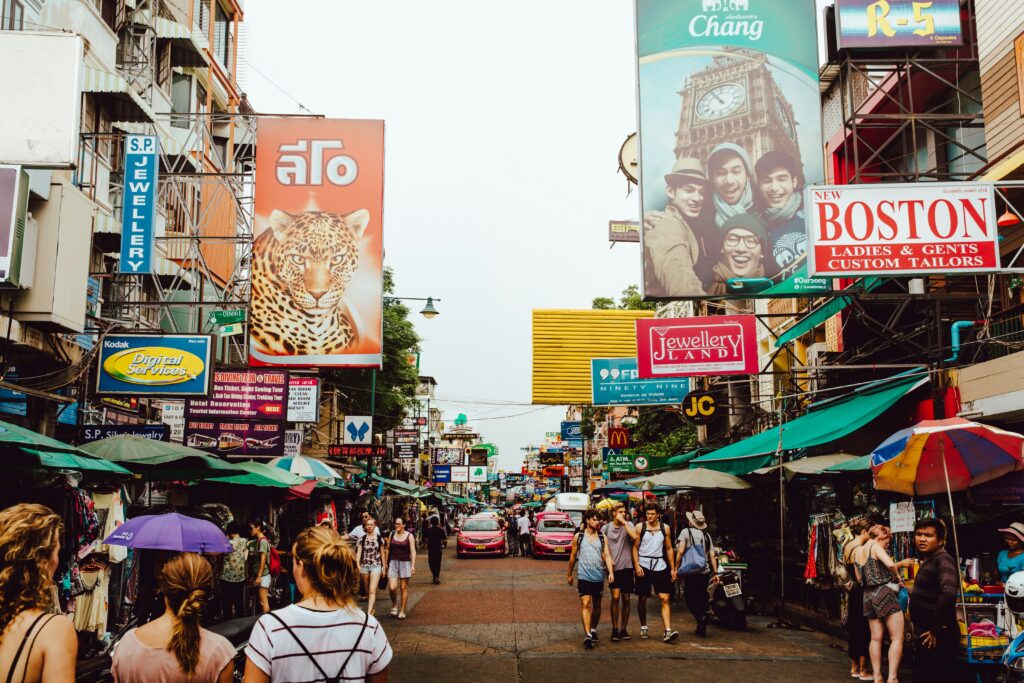
    My first trip to Thailand was during my university days. Back then, Suvarnabhumi Airport didn’t exist yet — it was all Don Mueang. Today Don Mueang still serves as a hub for budget carriers like AirAsia. The moment I landed, I headed straight for Khao San Road, the legendary gathering point for backpackers from every corner of the world.

    More than 20 years later, I still find myself dropping by every time I visit Bangkok. Maybe it’s just nostalgia, but there’s something about that place that keeps pulling me back.


    What is Khao San Road?

    “Khao San” means “uncooked rice” in Thai. In the 19th century this area was a major rice market. In the 1980s, locals began renting out spare rooms to foreign travelers at low prices, and gradually it developed into a budget accommodation hub.

    Through the 1990s and 2000s, cheap guesthouses, street food stalls, travel agents handling long-distance bus tickets and visa services all packed in together, making it a place where backpackers could find everything they needed in one spot. When Leonardo DiCaprio’s film “The Beach” (2000) used it as a backdrop, Khao San Road’s reputation as the world’s backpacker mecca became truly global.

    photo by Evan Krause on Unsplash


    Khao San Road Back Then

    In those days before smartphones, internet cafes lined the streets of Bangkok. You could walk into Khao San Road and find a bed without any reservation — rooms were always available. A single room ran about 150 baht, a dorm bed around 100 baht.

    The main strip was an extraordinary jumble of guesthouses, souvenir shops, massage parlors, travel agents, street food stalls and tattoo shops, packed with travelers of every nationality.

    The Back Streets of Khao San

    One street over from the main road was what regulars called “Back Khao San,” lined with guesthouses catering specifically to Israeli travelers, Japanese travelers and others. Fruit shakes went for 10 baht. A bowl of Thai noodle soup (ba mee nam) was also 10 baht. The portions were small and the hygiene left something to be desired, but that was all part of the experience.

    For Those Who Wanted Quiet

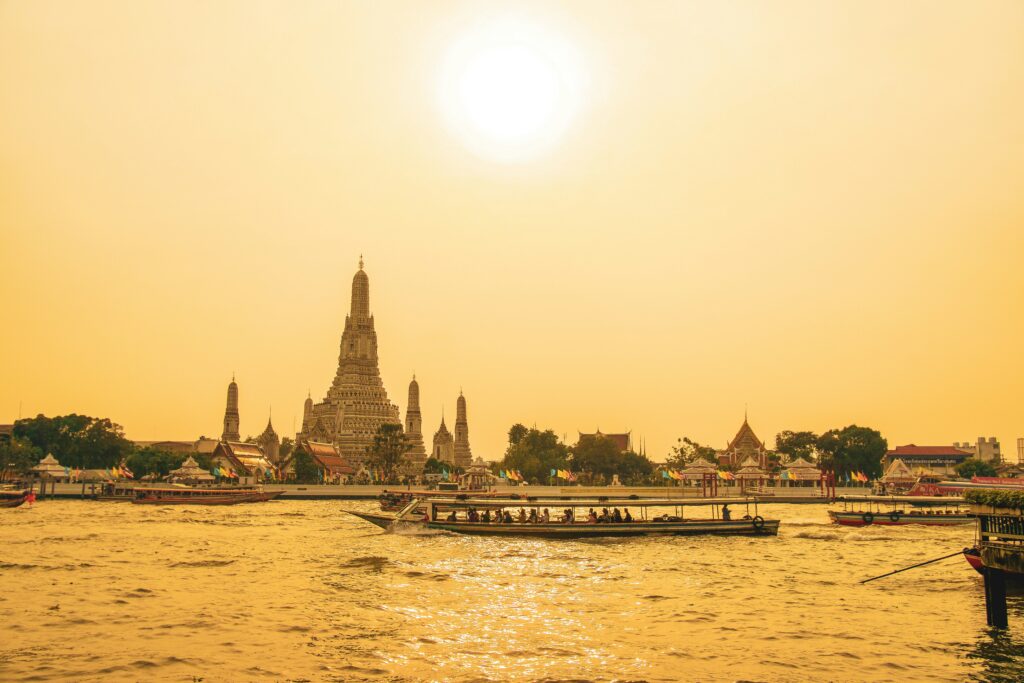
    Travelers who wanted to escape the noise of the main strip headed for the temple area between Khao San and the Chao Phraya River. The guesthouses there were peaceful and popular with those who wanted to slow down.

    The Sinking Travelers

    Backpackers from all over the world used Khao San as their base to fan out across Southeast Asia — Cambodia, Vietnam, Laos and beyond by land. But many never made it further. The place was so comfortable and cheap that travelers would get “stuck” for weeks or months. The locals called them sinking travelers.


    Khao San Road Today

    Smartphones have replaced internet cafes. Travel agents have disappeared. The image of the rough and ready backpacker haven has faded. Alongside budget guesthouses you now find proper hotels, stylish cafes and decent restaurants. And it’s not just foreign travelers anymore — Thai young people come here too, phones out, hunting for the perfect shot.

    Two Completely Different Faces

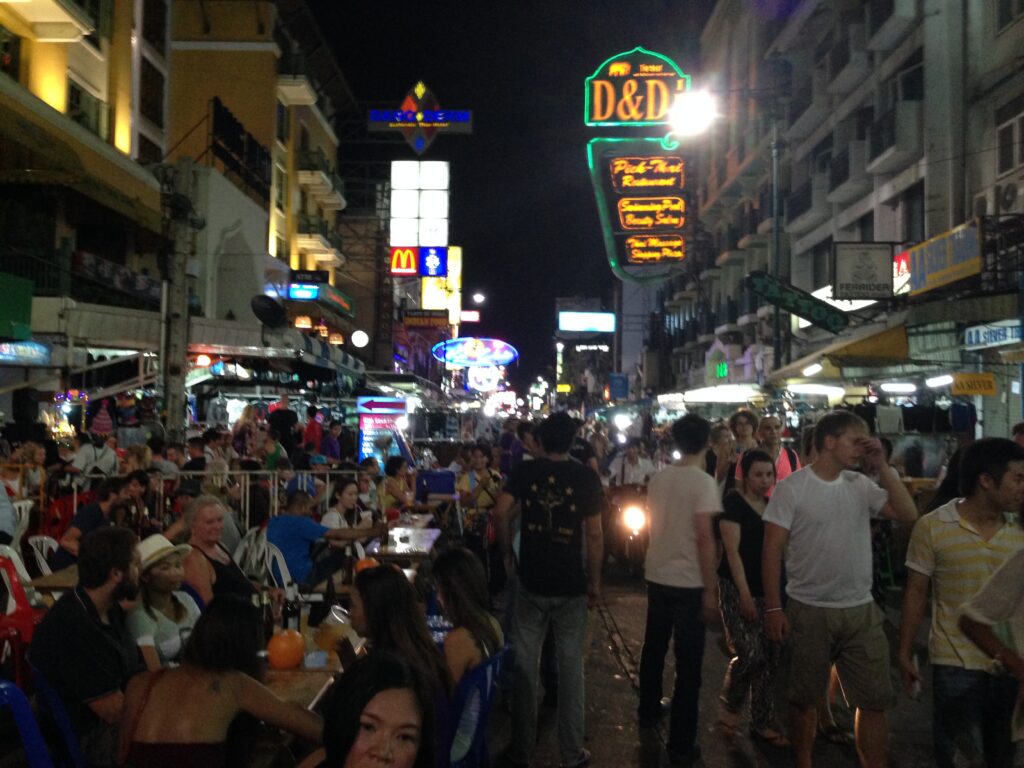
    During the day the vibe is relaxed. People sit in cafes and open-air bars, drinking and taking their time. But at night everything changes. The street transforms into an open-air club. Loud music pumps from every direction while crowds of mostly Western travelers drink and dance. If you love music, alcohol and letting loose, it’s an incredible atmosphere.


    The Best Areas Around Khao San

    The Temple Area (toward the Chao Phraya River) Walking from Khao San toward the river you reach a quieter temple district with stylish cafes, restaurants and street food stalls. It’s calmer and more relaxed than the main strip. The Chao Phraya River pier is close by, making it a convenient base for visiting the Grand Palace area.

    Soi Rambuttri One street parallel to Khao San Road. No pounding bass here — just shaded terraces, relaxed cafes and a more laid-back crowd. If you want a taste of what old Khao San felt like, this is the place.

    photo by Steven Wilcox on Unsplash

    Choosing Your Hotel

    Hotels close to the main strip can be extremely noisy at night. If you want to sleep, look for accommodation in the temple area toward the river.


    Getting There

    There are no BTS or MRT stations near Khao San Road. The easiest option is a Grab ride from wherever you are in Bangkok.

    Alternatively, take the Chao Phraya Express Boat from Sathorn Pier (connected to BTS Saphan Taksin) and get off at Phra Arthit Pier — from there it’s about a 10-minute walk. A scenic and enjoyable way to arrive.


    Important Warnings

    Cannabis Thailand temporarily legalized cannabis and Khao San filled up with dispensaries. Regulations are now being tightened. Regardless of local laws, Japanese nationals should be aware that Japan’s cannabis laws apply to offenses committed abroad. Do not touch it under any circumstances.

    Pickpockets and Scams Keep your phone and wallet secure, especially at night. The classic tuk-tuk scam — “The Grand Palace is closed today, let me take you somewhere else” — is still alive and well. Ignore it and keep walking.


    Final Thoughts

    From a gritty backpacker haven to a party street drawing travelers and Thai locals alike, Khao San Road has changed enormously. But its strange magnetic pull remains. Whatever kind of traveler you are, it’s worth stopping by at least once when you’re in Bangkok.

  • Beyond Bangkok: Ayutthaya World Heritage Site and Lopburi, the Town of Monkeys

    Beyond Bangkok: Ayutthaya World Heritage Site and Lopburi, the Town of Monkeys

    Just one to two hours north of Bangkok lie two towns with completely different personalities. Ayutthaya, a UNESCO World Heritage Site filled with ancient ruins, and Lopburi, a town once overrun by thousands of monkeys. Combining both into a one or two day trip reveals a side of Thailand that most tourists never see.


    Getting There from Bangkok

    To Ayutthaya (about 80km north of Bangkok)

    The train from Krung Thep Aphiwat Central Terminal takes about one to one and a half hours. Sitting back and watching the countryside roll by makes for a pleasant journey. Mini buses (rot tu) from the Northern Bus Terminal take about one and a half to two hours and run frequently.

    Tickets no longer require lining up at the station window. You can book online via smartphone or computer. The 12GO app handles trains, buses, boats and more in one place, supports multiple languages including Japanese and English, and is easy to use though a service fee applies. The app also covers Bangkok to Pattaya bus tickets, though checking the bus company’s own website directly sometimes offers a better price.

    To Lopburi (about 150km north of Bangkok)

    By train from Bangkok, the journey takes about two and a half to three hours. From Ayutthaya, it’s just one to one and a half hours further north. Combining Ayutthaya and Lopburi into a single overnight trip is highly recommended.


    Getting Around the Ruins

    Ayutthaya’s ruins are spread across a wide area. Renting a bicycle or motorbike gives you the most freedom to explore at your own pace and stop wherever you like. Chartering a tuk-tuk for a few hours is another popular option.


    Must-See Ruins in Ayutthaya

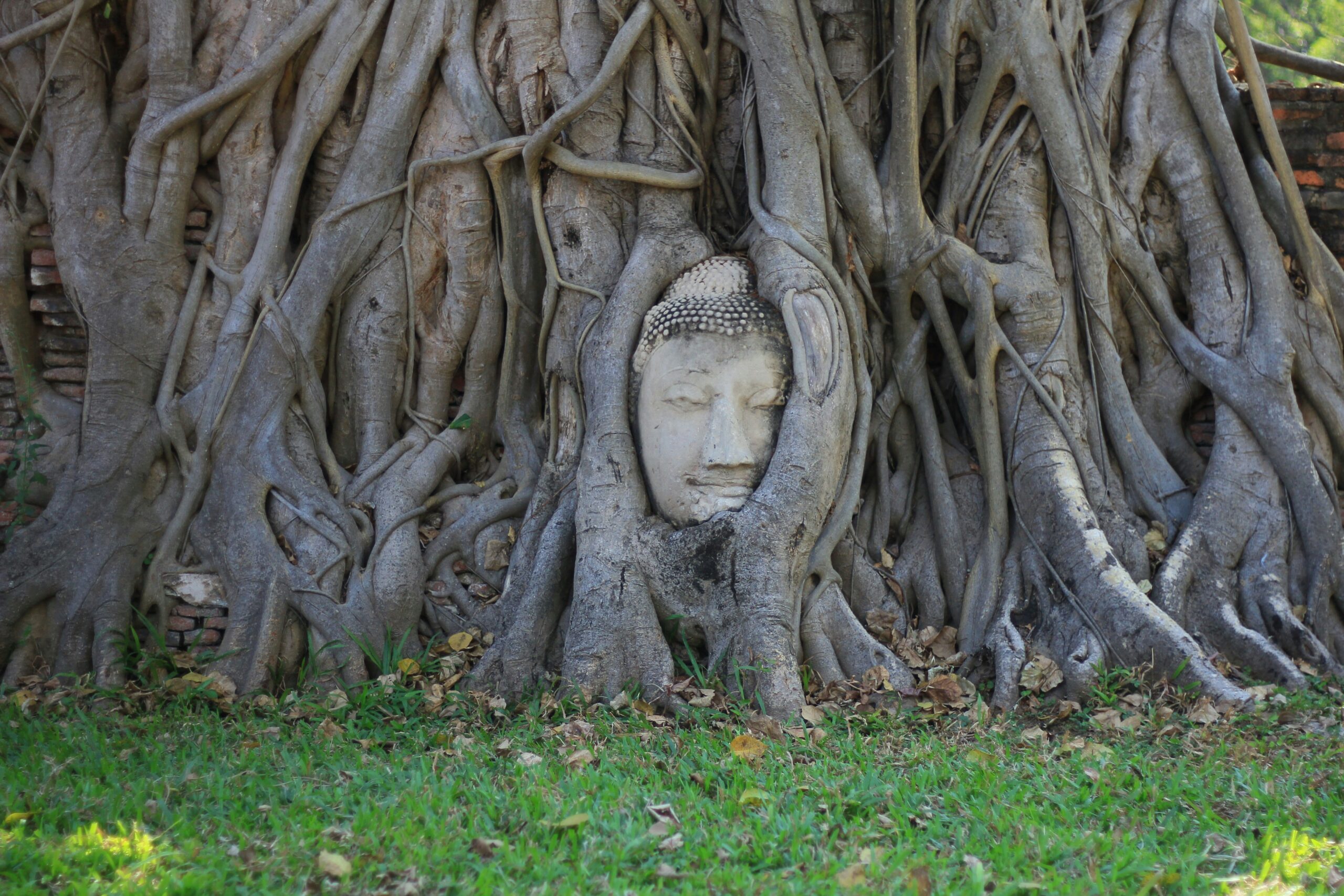
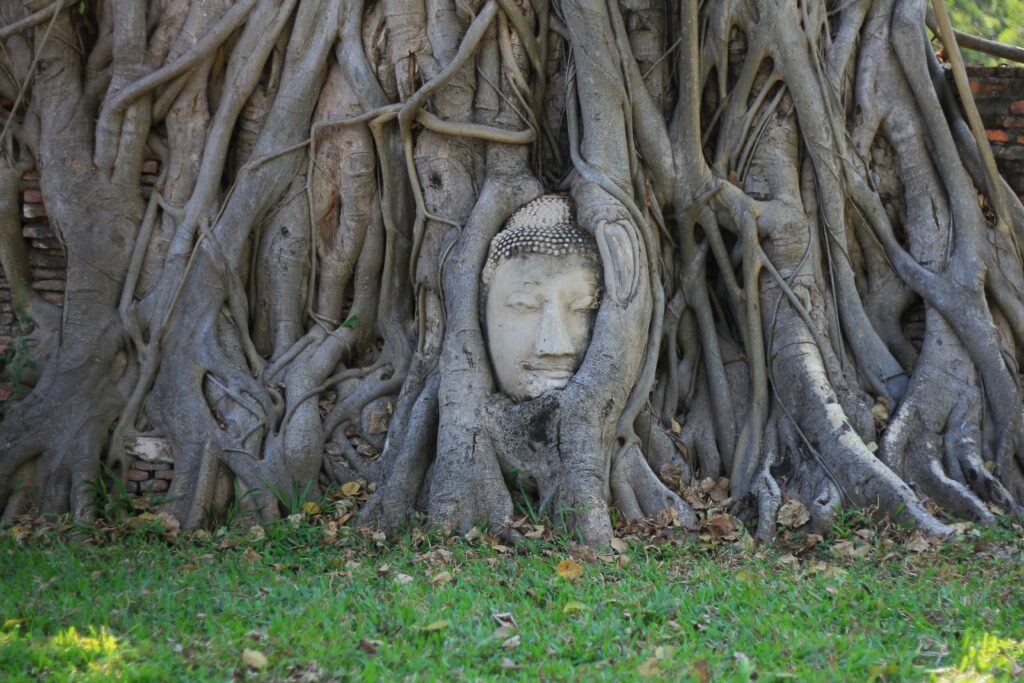
    Wat Phra Mahathat Famous for the Buddha head enveloped by the roots of a bodhi tree. When photographing it, keep your head lower than the Buddha head out of respect.

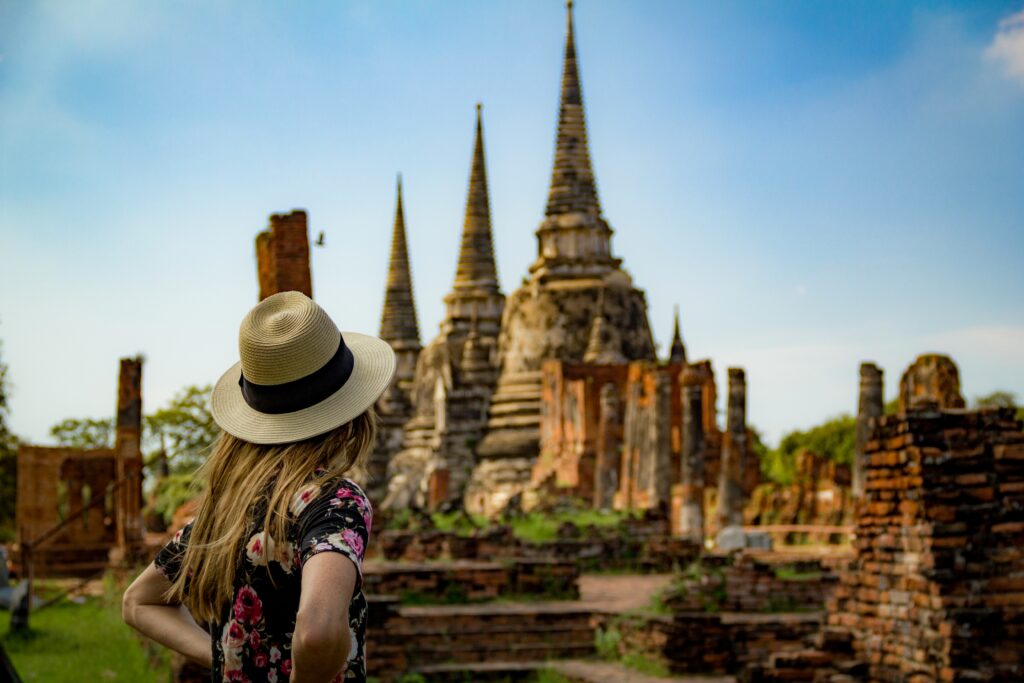
    Wat Phra Si Sanphet The most important temple within the old royal palace grounds. Three magnificent Sri Lankan-style chedis stand in a row, housing the ashes of former kings.

    Wat Chaiwatthanaram A stunning Khmer-style temple on the west bank of the Chao Phraya River. At sunset the ruins reflected in the river create one of Thailand’s most romantic scenes.

    photo by Rutpratheep Nilpechr on unsplash

    The People I Met in Ayutthaya

    At one of the main ruins I got talking with a Thai man selling hammocks. Before I knew it we were sharing a meal with his family right there on the temple grounds, and he ended up driving me back to my guesthouse. Moments like that are what travel is really about.

    The funniest part came when I tried to help him sell hammocks to Japanese tourists. Every time a Japanese visitor walked by I called out to them — and every single one looked at me with suspicion. Apparently a Japanese person selling hammocks in a Thai ruin is more suspicious than an actual Thai vendor.


    Important Note for Visitors

    Temple ruins require clothing that covers shoulders and knees. Thailand is extremely hot and you’ll be walking outdoors for extended periods, so sunscreen, a hat, sunglasses and plenty of water are essential.


    Lopburi: Once the Planet of the Apes (Past Tense)

    About one hour north of Ayutthaya, Lopburi was once a town where thousands of monkeys roamed freely through the streets. Hotel windows came fitted with metal grilles to stop them getting in — though the monkeys still made it up to the rooftops. The ruins in the town center served as their sleeping ground. Baby monkeys would climb all over visitors without any hesitation. Unlike monkeys I had encountered in Japan or India, these ones were genuinely friendly. As an animal lover I absolutely loved it.

    However, the situation has changed dramatically as of 2025.

    Due to serious property damage and attacks on people, Thai authorities carried out a major operation between 2024 and 2025 to capture, sterilize and relocate the monkeys. As a result, the monkey population in the town center has decreased by over 95 percent. It is now much safer, but the wild Planet of the Apes atmosphere is largely gone. Some monkeys can still be seen around the ruins.

    photo by Laura Cros on unsplash


    Lopburi Nights with the Locals

    One evening I sat down at a street food stall and ended up befriending a woman selling ice cream at the next stall. She worked at a clothing shop during the day and soon had me on the back of her motorbike for an impromptu town tour. She even treated me to KFC.

    With far fewer tourists than Ayutthaya, there’s no hard selling here. People are genuinely kind and curious. That kind of unplanned human connection is what stays with you long after the trip ends.

    photo by Streets of Food on unsplash

    Suggested Itinerary

    Day 1
    └ Bangkok → Ayutthaya (train, about 1-1.5hrs)
    └ Explore ruins by bicycle or motorbike
    └ Stay overnight in Ayutthaya
    
    Day 2
    └ Ayutthaya → Lopburi (train, about 1hr)
    └ Explore ruins and monkey spots
    └ Street food dinner with locals
    └ Return to Bangkok

    Who This Trip Is For

    • Travelers who want to see Thailand beyond Bangkok and Pattaya
    • History and ruin enthusiasts
    • Animal lovers
    • Those who enjoy connecting with local people
    • Anyone who finds heavily touristy areas exhausting

    Final Thoughts

    Ayutthaya offers the grandeur of a lost kingdom. Lopburi offers something harder to define — a town where history, wildlife and everyday life collide in the most unexpected ways. Both are within easy reach of Bangkok. If you have seen the tourist highlights, this is where Thailand starts to get really interesting.

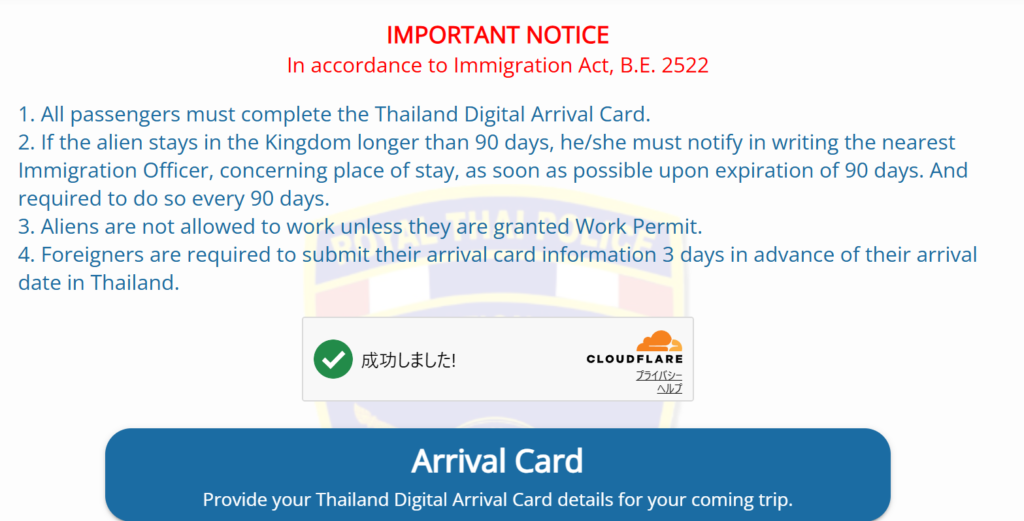
  • Thailand Entry Rules Have Changed. My Real Experience with the 30-Day Visa Exemption and TDAC

    Thailand Entry Rules Have Changed. My Real Experience with the 30-Day Visa Exemption and TDAC

    I’ve been visiting Thailand for over 20 years, around 20 trips in total. Entry rules have changed many times over the years, but 2026 brings another significant shift — a reduction in the visa-free stay period and a mandatory digital arrival card. I experienced both on my recent trip, so here’s my honest report.


    Visa-Free Stay Reduced from 60 to 30 Days

    On May 19, 2026, the Thai cabinet officially approved the abolition of the 60-day visa exemption. Japanese passport holders will now be limited to 30 days without a visa. The exact implementation date is not yet confirmed as it takes effect 15 days after publication in the Royal Gazette, but the change is coming soon.

    The reason behind the change

    The crackdown targets illegal employment, organized crime, and overstaying — all of which increased under the more generous 60-day policy.

    Extensions are still possible

    You can apply for an additional 30-day extension at a Thai immigration office after arrival. So the maximum stay of 60 days (30 days initial + 30 days extension) remains possible. Anyone planning to stay longer than 30 days should either obtain a tourist visa before leaving Japan or handle the extension process in Thailand.


    What is TDAC?

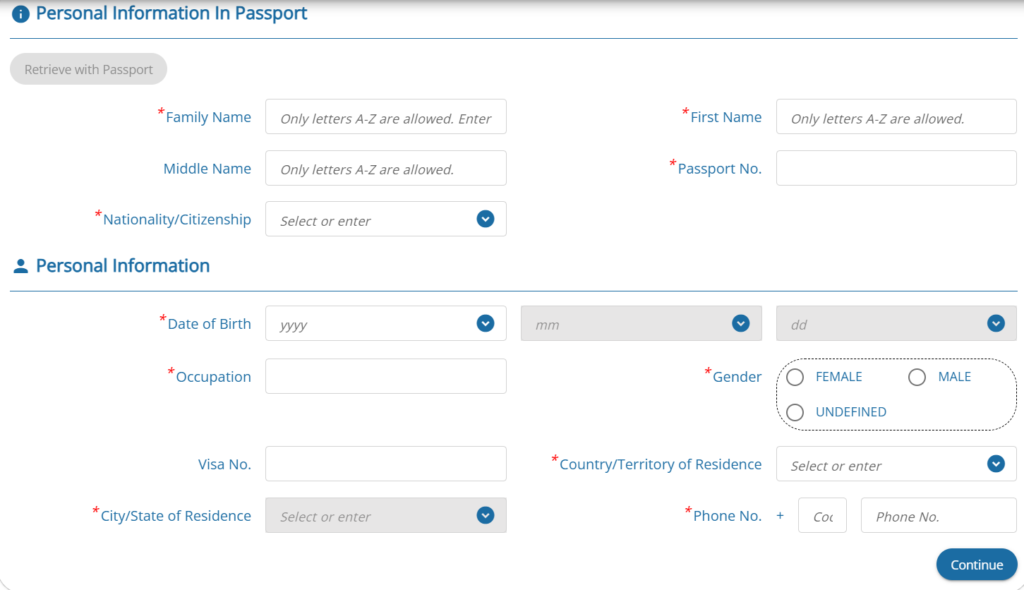
    Since May 1, 2025, the old paper arrival card (TM.6) has been replaced by an online pre-registration system called TDAC (Thailand Digital Arrival Card). It is mandatory for all foreign nationals entering Thailand by air, land, or sea.


    My Real Experience Registering for TDAC

    I registered for TDAC before my recent trip, so here’s what actually happened.

    Registration is easy on a smartphone

    Just visit the official website and fill in the same kind of information you used to write on the paper arrival card — passport details, flight information, accommodation, and so on. After submitting, a permit is sent to your registered email address. Save it or take a screenshot.

    When to register

    Registration opens 72 hours (3 days) before your arrival in Thailand. Note that the arrival day itself is counted as one of those days.

    What actually happened at immigration

    I showed my passport and the permit screen on my smartphone to the immigration officer. Honestly, the officer barely looked at the phone screen. Overall the process felt smoother than filling out a paper card on the plane or after landing.


    How to Spot Fake TDAC Websites

    The official site warns about fraudulent websites. But honestly, it can be hard to tell which sites are legitimate in the first place. Here’s how to protect yourself.

    • TDAC registration is completely free. Any site charging a fee is not official
    • The official URL is tdac.immigration.go.th
    • Paid “assistance” services appearing in search engine ads are likely unofficial
    • The safest approach is to follow links directly from the Thai Embassy or Tourism Authority of Thailand official websites

    Pre-Trip Checklist

    Up to 72 hours before departure
    └ Register TDAC on the official website
    └ Save the permit email or screenshot it
    
    Check your stay length
    └ 30 days or less → visa-free entry OK
    └ 31 days or more → get a tourist visa
       or extend after arrival
    
    At immigration
    └ Present passport + permit screen

    Thailand’s entry rules can change with little notice. Always check the latest information on the Thai Embassy or Tourism Authority of Thailand official website before departure.

  • Grab Changed Everything. No More Bargaining, No More Stress in Thailand

    Grab Changed Everything. No More Bargaining, No More Stress in Thailand

    I’ve been visiting Thailand for over 20 years, around 20 trips in total. All that time, I was exhausted by taxi negotiations and traffic jams. Taxi drivers refusing to use the meter. Drivers refusing passengers heading into congested areas. Standing outside the hotel trying to flag down a taxi or motorbike taxi, wasting precious time. This was just part of traveling in Thailand.

    This trip, I finally used Grab properly. And honestly, I was blown away. I had no idea it had evolved this much.


    What is Grab?

    Think of it as Southeast Asia’s version of Uber. It’s a ride-hailing app that lets you book cars and motorbikes from your smartphone, and it’s now widespread across Thailand and the rest of Southeast Asia. As of 2026, Thailand has tightened regulations requiring private vehicles to be properly registered for commercial use, making the service even safer than before.

    What Genuinely Impressed Me

    You can book before you even leave your hotel room

    This was the biggest surprise. I’d open the app, book a ride from my room, take the elevator down, walk to the entrance — and the driver was already there waiting. Almost zero wait time. This happened multiple times.
    No price negotiation, no explaining where you’re going

    The fare is locked in at the time of booking. The destination is already in the app — no need to explain anything to the driver. Zero risk of being overcharged. Cashless payment when you arrive. I’ve never had such a stress-free travel experience.

    Real-time tracking

    You can watch the driver approaching on the map in real time. If they can’t spot you, they’ll contact you via chat or voice call. No language barrier required.

    Choose your vehicle type

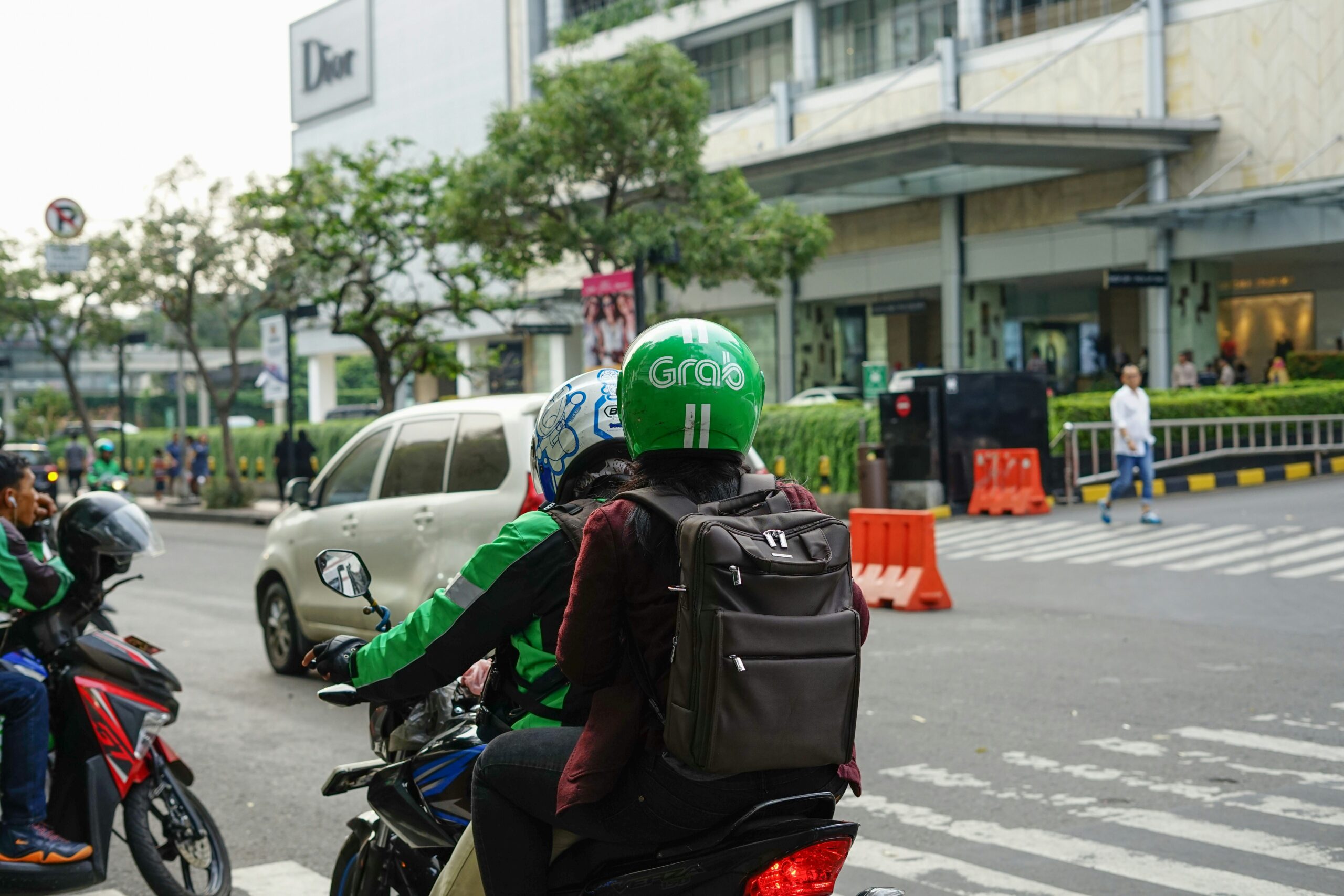
    Bangkok and Pattaya traffic can be brutal. If you’re traveling solo, a motorbike taxi is by far the fastest option. I even rode three-up a few times this trip. Cars, motorbikes, vans — you can choose based on your group size and needs.


    Comparison with Other Transport Options

    TransportCostConvenienceNotes
    GrabMedium★★★★★Safe, reliable, transparent pricing
    Regular TaxiLow-Med★★★☆☆Meter refusal and route rejection common
    SongthaewVery cheap★★☆☆☆Fixed routes, tricky for tourists
    Tuk-tukHigh (negotiated)★☆☆☆☆Tourist attraction, not practical transport

    Things to Watch Out For

    • During peak hours (rush hour, rainy days) surge pricing can multiply the fare several times. If it looks too expensive, wait a few minutes or compare with competitor apps like Bolt
    • If the driver takes the expressway, the toll (around 50-75 baht) is paid by the passenger separately
    • At large shopping malls with multiple exits, send the gate number to your driver via chat to avoid confusion

    Grab Food Has Taken Over Too

    Grab delivery riders are everywhere — on the streets, inside fast food restaurants, all over the city. Thai people routinely order group meals through Grab Food, and with frequent promotions running, it’s become completely embedded in daily life. Thailand doesn’t have a strong home cooking culture, and Grab has filled that gap entirely. It’s infrastructure now.


    There’s No Reason Not to Use Grab in Thailand

    After so many trips, I’d gotten tired of negotiating transport and dealing with traffic. I’d started relying mostly on the BTS and subway. But this trip changed my thinking.

    No language barrier. No haggling. No waiting around. It’s the most comfortable way to get around. Download the app and complete SMS verification before you leave — you can set it up after arriving too, but you’ll need Wi-Fi or a local SIM card. Getting it ready in advance makes everything smoother.


    Final Thoughts

    Grab has changed what it means to travel in Thailand. The era of transport negotiation is over.