*This article contains affiliate links.
The heart of Thai cuisine is street food. Cheap, delicious, and served with the atmosphere of the place itself. After 20 years of traveling to Thailand, here’s my honest take on what’s truly worth eating and how to eat it.
Let’s Start with My Legendary Tom Yum Goong Disaster
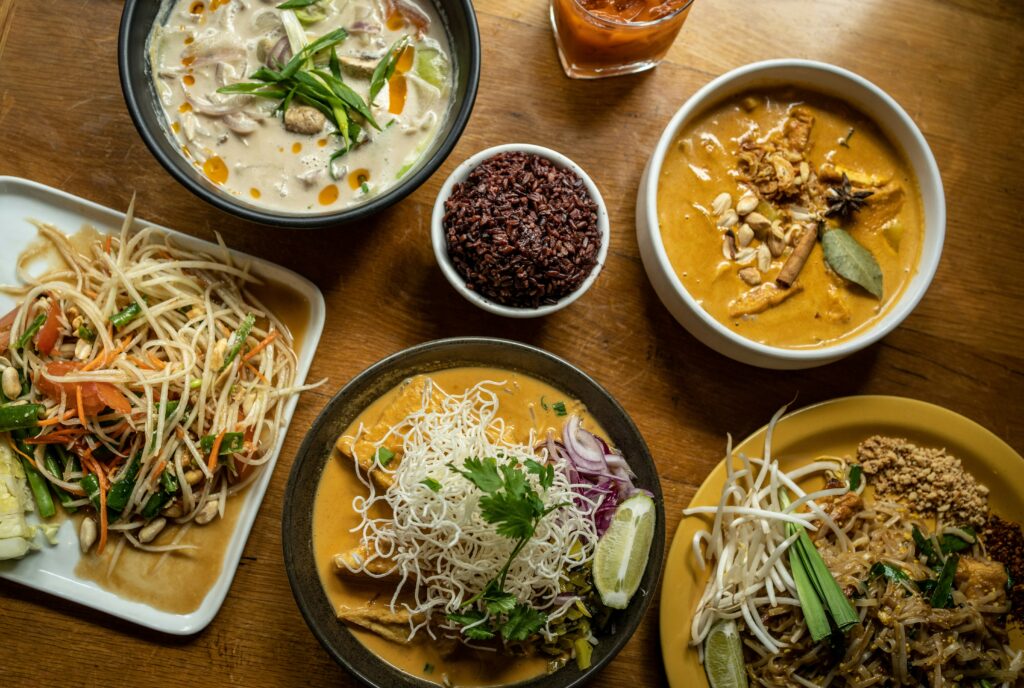
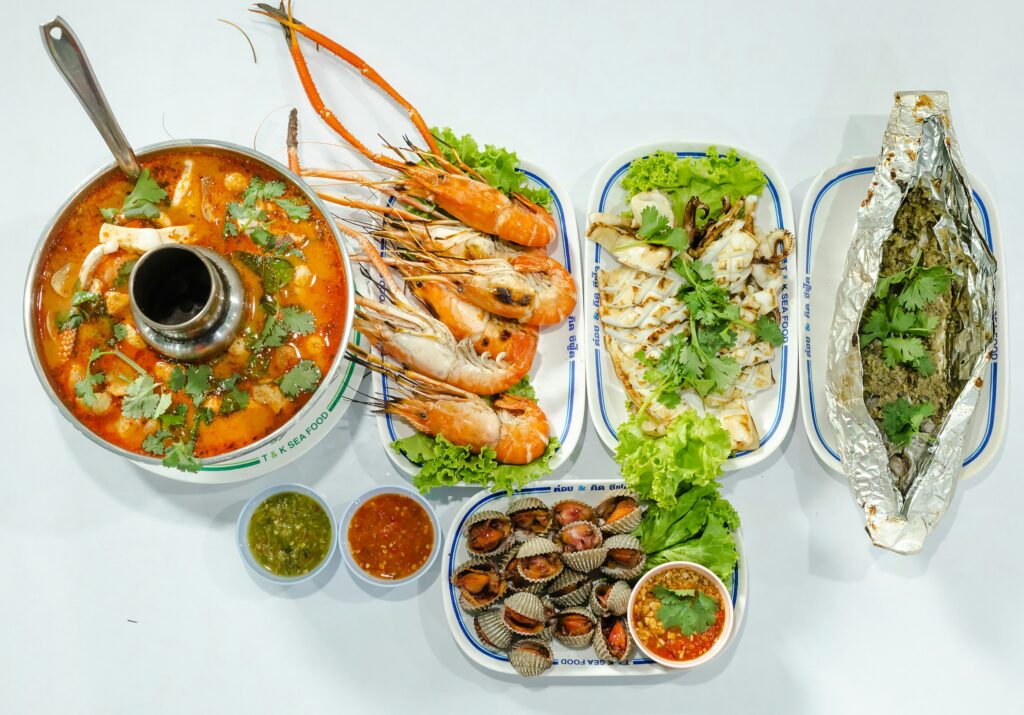
The first time I went to Yaowarat (Bangkok’s Chinatown), I ordered tom yum goong, one of the world’s three great soups. It arrived dramatically in a large pot with a hole in the middle, and I was thrilled at how authentic it looked. That joy lasted about ten seconds. The heat was beyond anything I had imagined. As I writhed in pain with tears streaming down my face, the group of Thai people next to me burst out laughing.
Desperate, I ordered a fresh-squeezed orange juice, and it was so sweet and delicious it might have saved my life. I’ll never forget that glass.
Funny thing is, despite that traumatic experience, I now order that quirky soup every single time I visit. I’ve become so addicted that I buy tom yum flavored cup noodles at convenience stores and supermarkets for late-night snacks. Thai flavors hit you slowly, even when they’re too spicy at first.
Book a Thai street food tour with Klook >>
Yaowarat (Chinatown) Is the Best
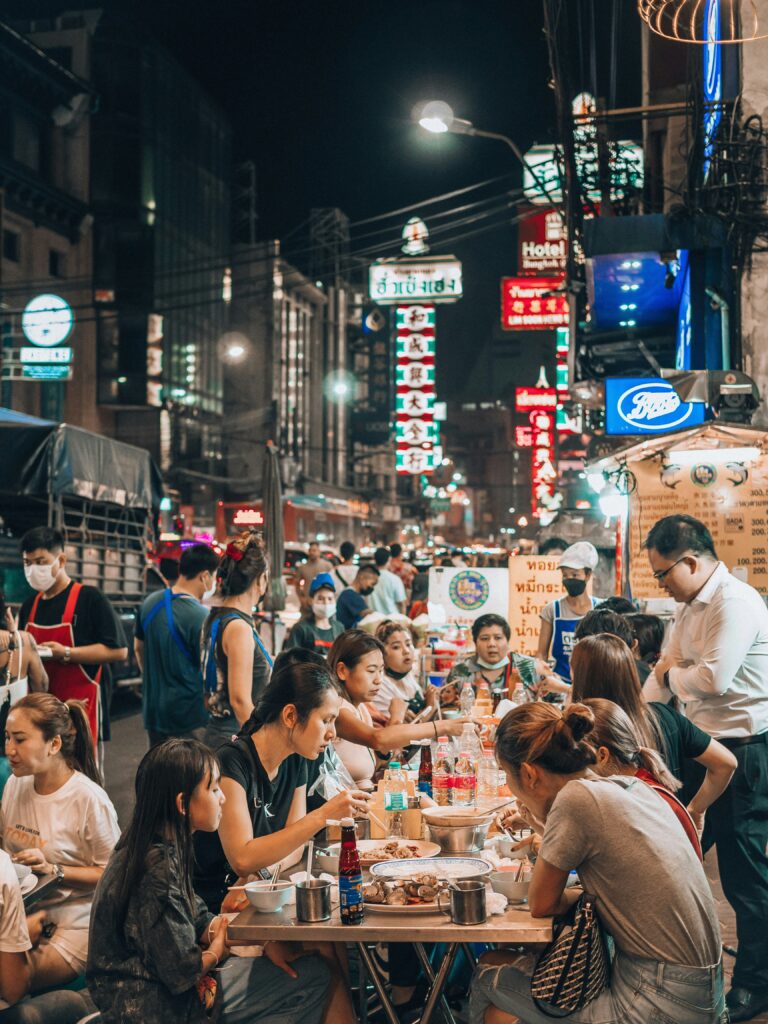
In my personal opinion, the best street food in Thailand is found in Yaowarat. As evening falls, lively food stalls appear all along the street, and the aroma of dishes cooked in giant woks fills the air. It has the dignity you’d expect from a proper Chinatown.
Being Chinatown, there are plenty of delicacies too, even shark fin and bird’s nest. Portions are large, so the best way to enjoy it is to share with a group. That energetic atmosphere is worth experiencing at least once.
Bami Nam, the Thai Street Ramen
The dish I order at almost every stall is bami nam (Thai-Chinese noodle soup). Like Japanese shoyu ramen, it’s based on nam pla (fish sauce). That’s why the taste is similar at any stall, and the broth is consistently delicious.
Thai street stall tables usually have vinegar, sugar, chili, and nam pla available. You can add nam pla to adjust the flavor to your liking. But here’s the funny part: it tastes great added to the soup, yet the undiluted sauce smells terrible up close. That’s the charm of Thailand.
My Pick Is Poo Pad Pong Curry
When it comes to Thai curry, coconut-based soups like green and red curry are the mainstream, but my personal favorite is poo pad pong curry (crab stir-fried in curry powder). To be honest, it tastes less like curry and more like the egg sauce on a Japanese katsudon.
Poo pad pong curry is famous at restaurants with a crab logo, of which there are several branches. Perhaps because they’re so famous, one even had a photo of the Japanese Emperor on display.
[Official] Check out Somboon’s signature Fluffy Egg & Crab Curry on Instagram!
https://www.instagram.com/somboonseafood
And massaman curry, once named the world’s most delicious dish by CNN, is also a must-try. It’s a sweeter curry with peanuts and potatoes. Choose one where the chicken has been simmered until it falls apart.
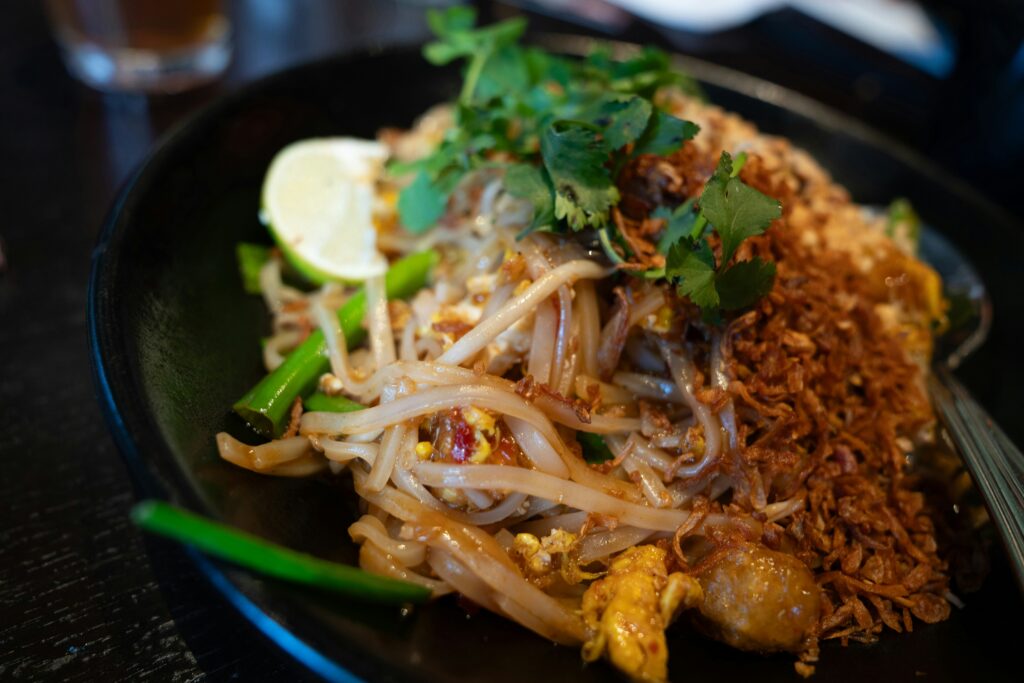
Quick Reference: Classic Dishes
| Dish | Description | Price |
|---|---|---|
| Pad Thai | Sweet-sour rice noodles, not spicy | 60-80B |
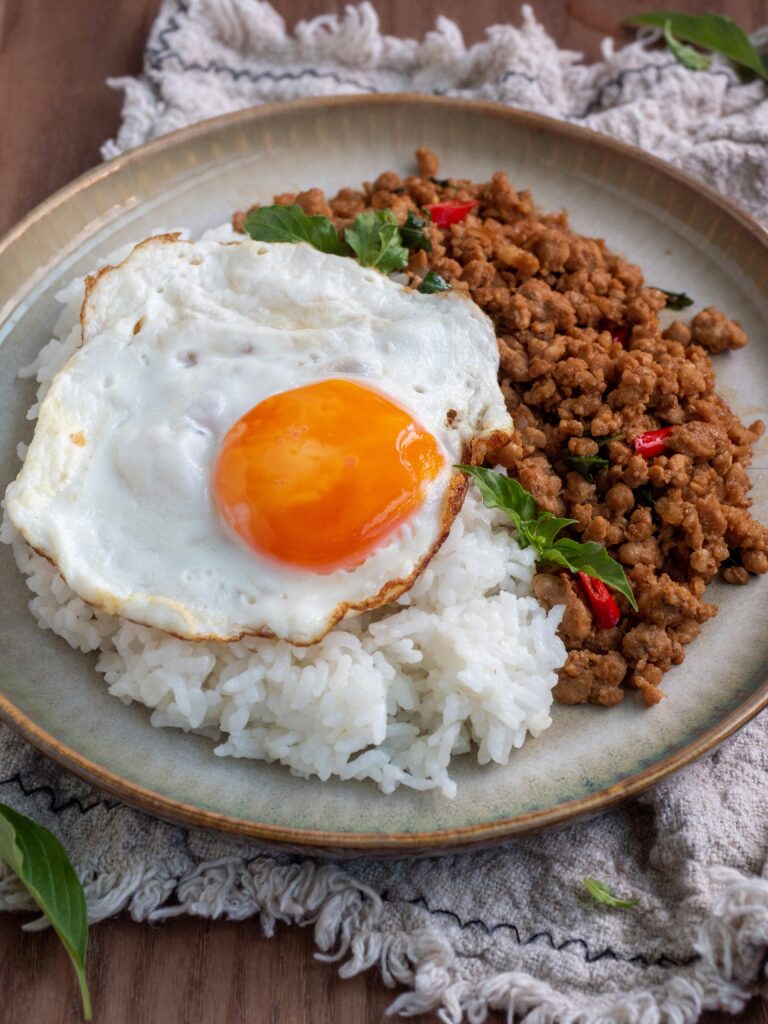
| Gaprao Rice | Basil and chili stir-fry over rice | 50-70B |
| Tom Yum Goong | One of the world’s 3 great soups | 150-250B |
| Khao Man Gai | Poached chicken rice, not spicy | 50-75B |
| Som Tam | Green papaya salad, very spicy | 50-70B |
| Green Curry | Coconut sweetness with green chili | 80-120B |
| Khao Soi | Chiang Mai’s curry noodle dish | 60-90B |
| Poo Pad Pong Curry | Crab stir-fried with curry and egg | 200-400B |
| Jok | Thai rice porridge, gentle on the stomach | 40-60B |
| Massaman Curry | Sweet curry once ranked #1 by CNN | 100-150B |
If you can’t handle spice, “mai pet” (not spicy) is the magic phrase.
How Thailand’s Street Food Scene Has Changed
Bangkok’s street food situation has changed dramatically in recent years.
Traditional roadside stalls have drastically decreased
Bangkok’s sidewalk cleanup campaign has removed stalls from major roads one after another. The famous Sukhumvit Soi 38 stall street, once beloved by Japanese tourists, was one casualty. Thailand is gradually shifting toward a “managed, clean culture” much like Singapore.
Food courts are now mainstream
Instead, the flavors of street stalls have concentrated in shopping center food courts. They’re air-conditioned, perfect for the hot season or rainy season, cheap, and reassuring when it comes to hygiene.
To taste the old atmosphere
If you still want that chaotic energy, I recommend Yaowarat (Chinatown) or Khao San Road. Both are specially permitted to operate stalls as tourism resources. At Khao San you can eat cheap pad thai and khao man gai while soaking up the atmosphere.
The countryside remains unchanged
By the way, in Chiang Mai, the Isaan region, or the outskirts of Bangkok, sidecar motorcycle stalls still line the roads every evening. The old-school local scene is alive and well outside the capital.
Tips for Not Failing at Street Food
Choose stalls where locals are lining up
This is the golden rule. A line means fast turnover and fresh ingredients. When in doubt, pick the crowded stall.
Be careful with water and ice
Always buy bottled water. Ice with a hole in the middle (cylindrical, from ice factories) is safe. Avoid crushed ice made from block ice.
Just point to order
Point at the menu or photo and say “an nee” (this one). Add “aroi” (delicious) and you’ll instantly bond with the owner.
Final Thoughts
Thai street food is changing, but its deliciousness and energy remain. You might cry from the spice at first, but that’s part of the Thai experience. To truly know Thailand, enjoy both the comfort of the food courts and the energy of Yaowarat.
Next time I’m in Thailand, I’ll probably order that tom yum goong from the pot with the hole in the middle all over again.
Get travel insurance with World Nomads >>
Leave a Reply