*This article contains affiliate links.
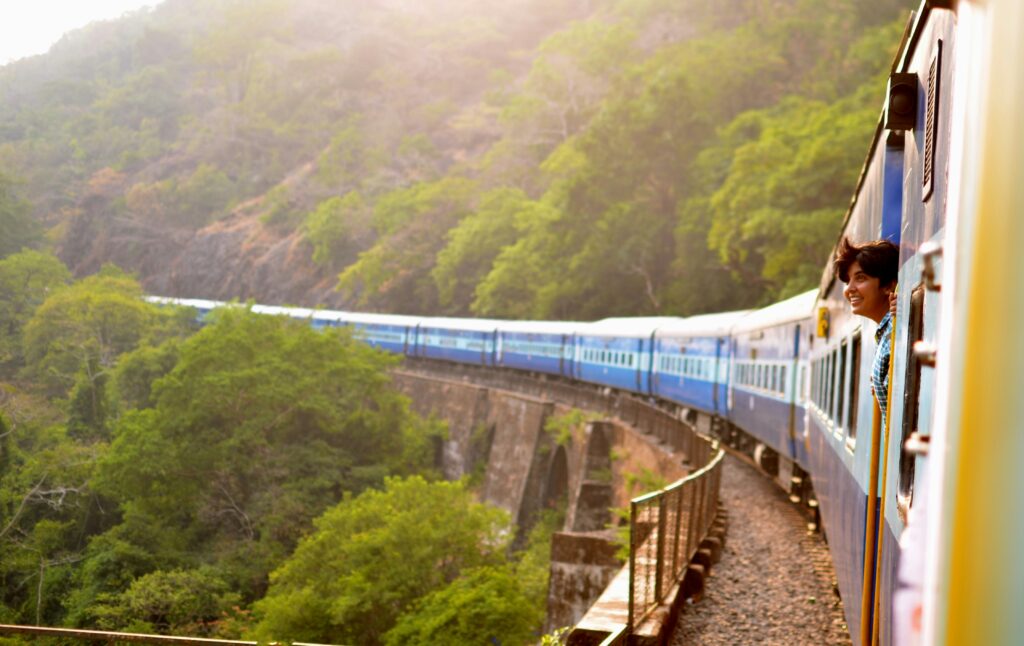
After exploring Thailand’s beach resorts, I crossed the border by train from Surat Thani into Malaysia. Rolling south through the countryside on a sleeper train, soaking in the atmosphere of the journey itself — this is what travel in Southeast Asia is all about.
Malaysia tends to get skipped by travelers rushing between Thailand and Singapore. That’s a mistake. Once you actually spend time here, the food alone will make you glad you stopped.
Crossing the Border by Train
I boarded the Malay Railway from Surat Thani in southern Thailand and crossed overland into Malaysia.
Taking the sleeper train all the way from Bangkok to Malaysia is slow, but the atmosphere is hard to beat. Watching the landscape shift as you move south, passing through small towns and jungle — this is a kind of travel that flying simply can’t replicate.
The Malay Railway border crossing route
└ Bangkok Central Station sleeper train
  (Train 45 etc.) to Padang Besar
  (approximately 16 hours)
└ Thai exit and Malaysian entry
  immigration completed at
  Padang Besar station
└ Transfer to KTM ETS high-speed train
└ KL Sentral station in about 5.5 hours
Crossing a land border is a special experience. As of 2026, a special direct service called the “MySawasdee Express” also runs between Hat Yai in southern Thailand and Kuala Lumpur on selected dates.
Langkawi: Beach Resort on the Andaman Sea
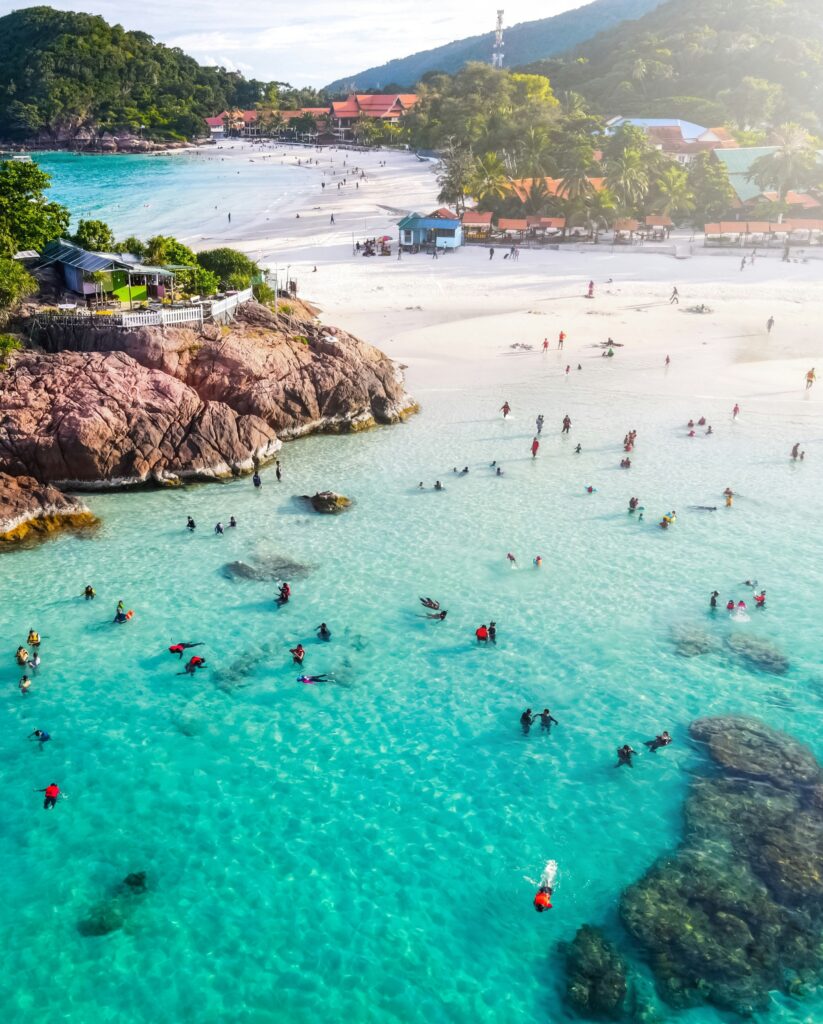
On the Malaysian side of the Andaman Sea sits Langkawi, a beautiful beach destination that holds its own against anything Thailand has to offer.
Close to the Thai border, this lush island is entirely designated as a duty-free zone. Beer, chocolate and other goods can be bought at prices well below the rest of Malaysia. Beyond the beaches, kayaking tours through the mangrove jungle are popular.
If you’ve already spent time on Thai beaches, Langkawi still has plenty to offer.
Book Malaysia tours and activities with Klook >>
The Japanese Food in Penang Shocked Me
Before heading to Kuala Lumpur, I made a stop in Penang. Something unexpected happened here.
The Japanese food at a street stall was extraordinary. I ordered katsudon and miso soup, and for a moment I genuinely forgot I was overseas. The quality coming out of a street stall was remarkable.
Everything else I ate there was equally impressive.
Penang’s George Town is a UNESCO World Heritage Site, its colonial-era streets lined with famous street murals. But it’s above all known as Malaysia’s premier food city.
Penang street food highlights
└ Char Kway Teow
  (stir-fried flat rice noodles)
└ Assam Laksa
  (sour and spicy fish-based noodle soup)
└ Gurney Drive and other hawker centers
  packed with locals every evening
Malaysian Food Is the Best in Southeast Asia
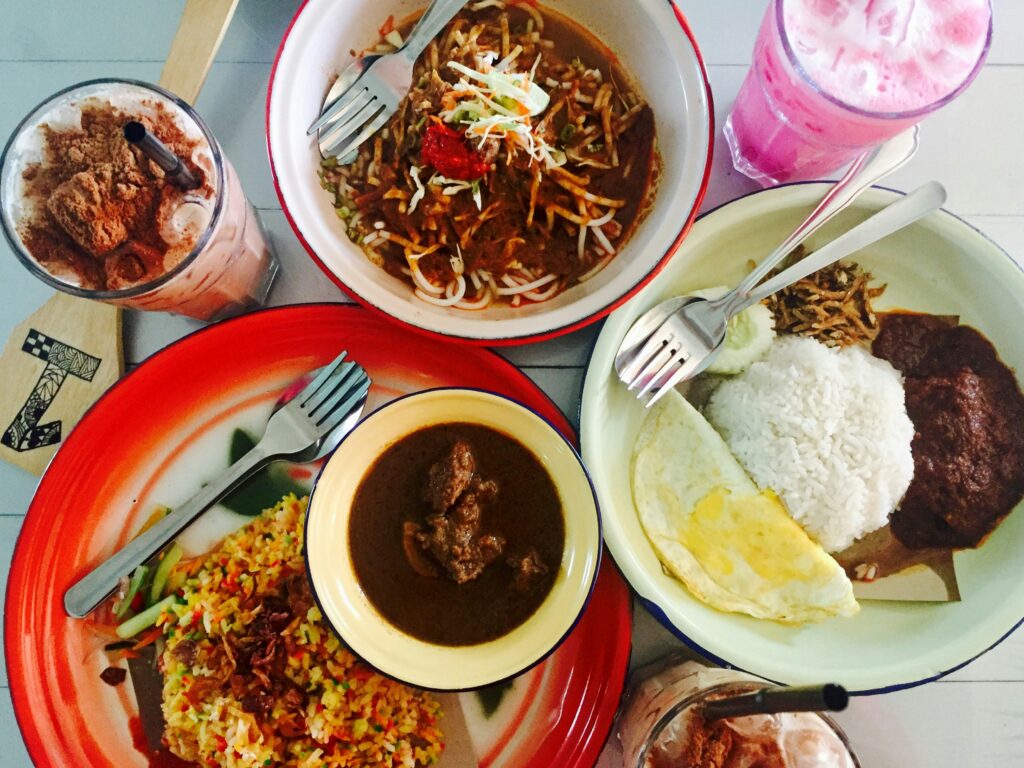
Honest opinion: Malaysian food is the best I’ve eaten in Southeast Asia.
Dishes that stood out
└ Nasi Lemak (national dish)
  Coconut rice served with
  spicy sambal, anchovies,
  peanuts and boiled egg
  I ate this multiple times every day
└ Rice with three sides
  (choose your own combination)
└ Bak Kut Teh
  Pork ribs simmered in
  herbal broth, a Chinese-Malaysian classic
└ Satay
  Grilled skewers with peanut sauce
Why is Malaysian food so good? Because Malaysia is a multi-ethnic country. Malay, Indian and Chinese food cultures have merged over generations, producing a range and depth of flavor that’s hard to find anywhere else. The use of spices and coconut milk creates a richness that keeps you coming back.
Kuala Lumpur Is a Modern City
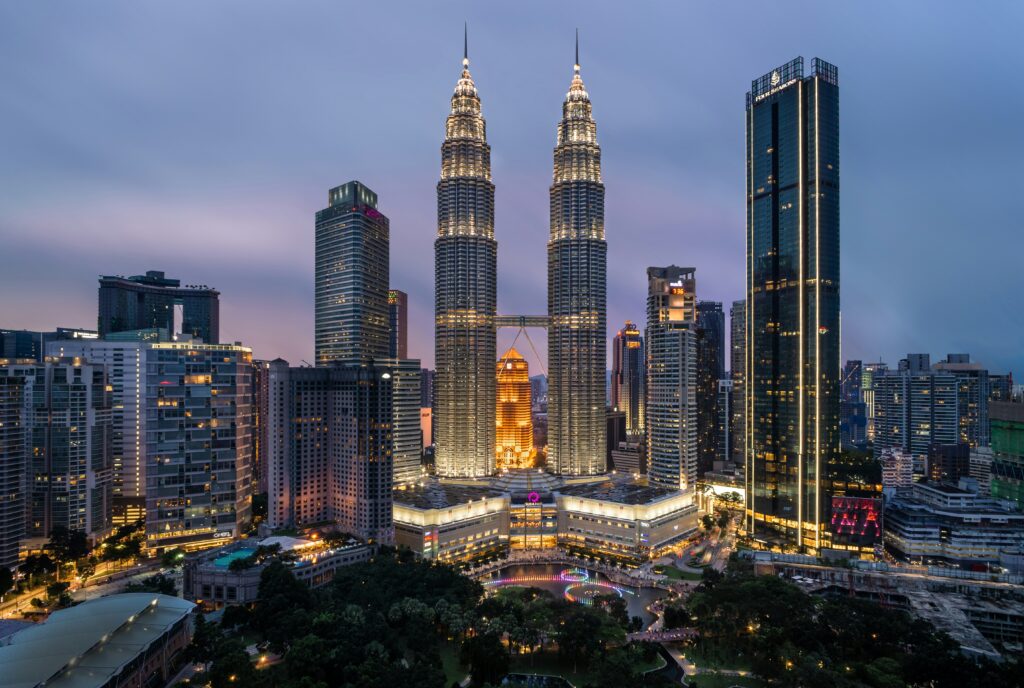
Kuala Lumpur was more developed than I expected.
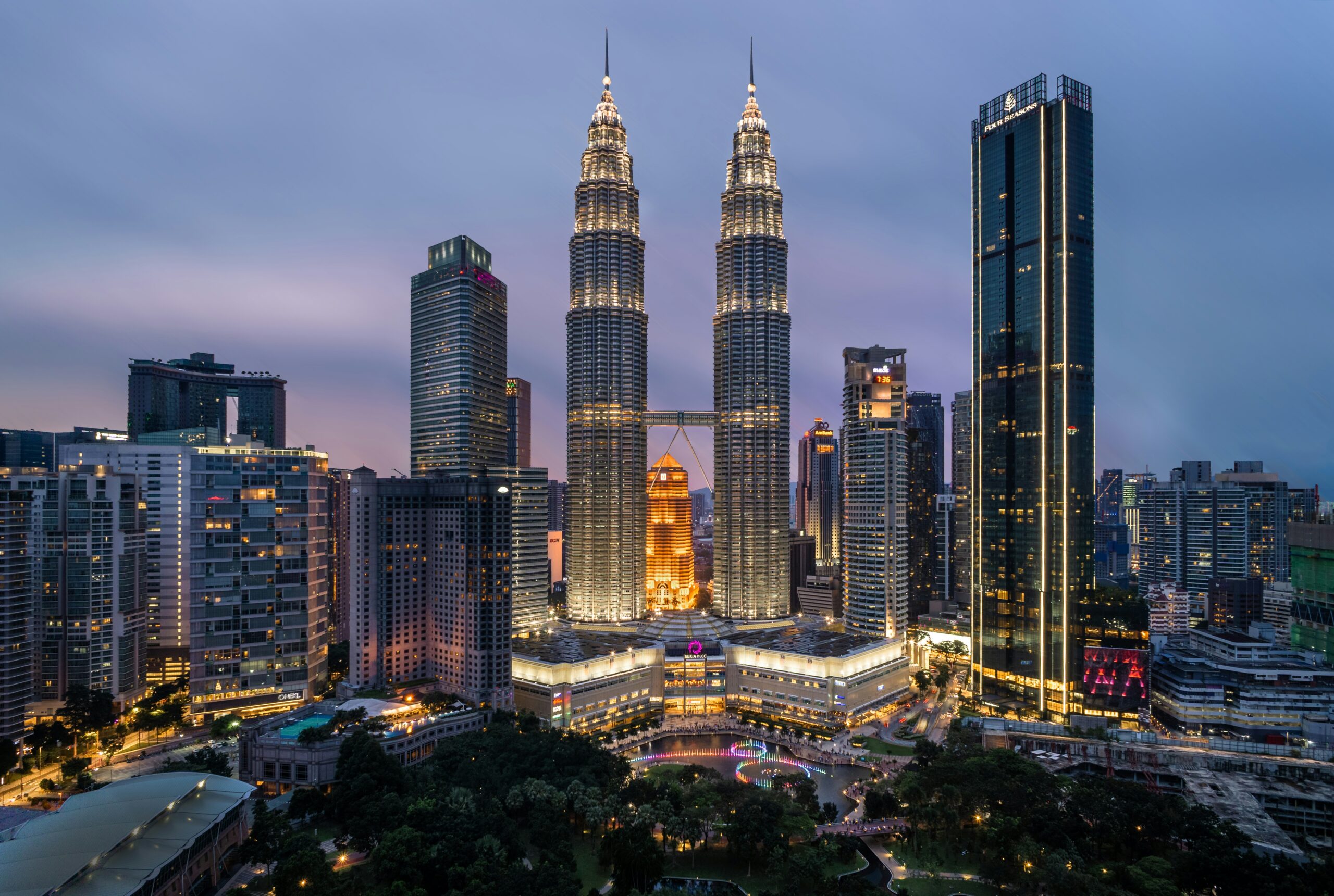
KLCC (Kuala Lumpur City Centre) is home to the Petronas Twin Towers, the city’s unmistakable symbol. At 452 meters tall, you can visit the Sky Bridge on the 41st floor and the observation deck on the 86th.
Petronas Twin Towers tips
└ Tickets are limited
  book online in advance through
  the official site
└ Walk-up tickets often sell out early
└ The illuminated towers viewed
  from KLCC Park at night
  are free and spectacular
Grab works seamlessly in Kuala Lumpur. If you’ve already been using it in Thailand, you can use exactly the same app without any setup.
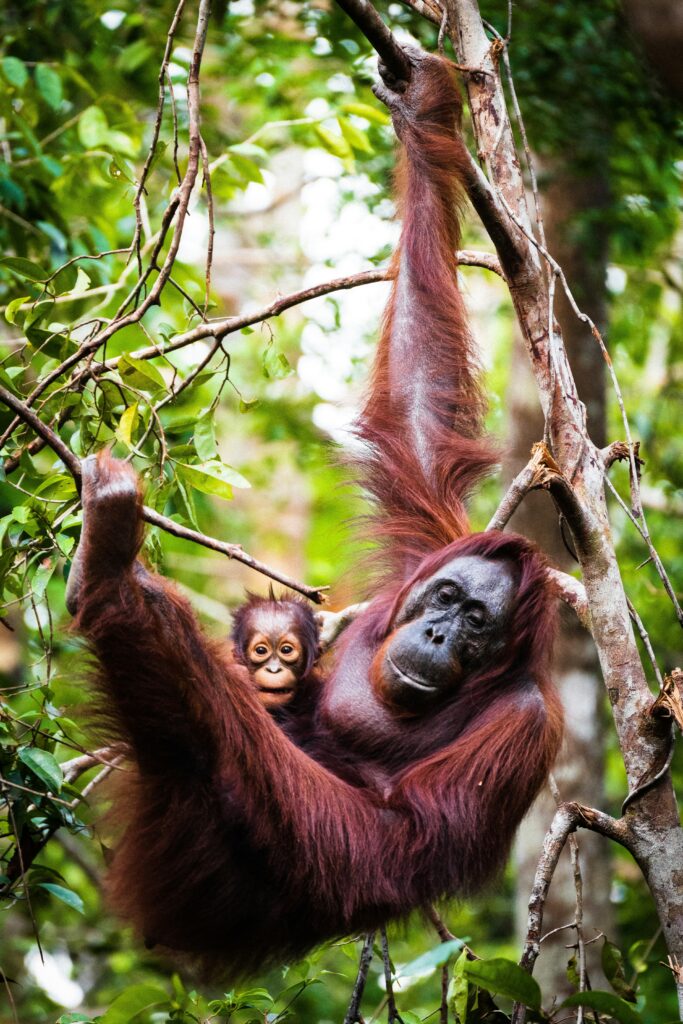
Borneo: Wild Orangutans in the Jungle
A place I didn’t make it to this time, but one that stays on my list.
Borneo highlights
└ Sepilok Orangutan
  Rehabilitation Centre
  Watch rescued orangutans
  being fed up close
└ Kinabatangan River cruise
  Chance to spot wild proboscis
  monkeys and pygmy elephants
A completely different face of Malaysia from the cities.
Understanding Islamic Culture
Malaysia is an Islamic country, but it’s a tolerant, multi-religious society. A few things worth knowing.
Cultural notes
└ At mosques, cover shoulders and knees
  Robes are often loaned free at
  major mosques
└ Use your right hand for
  giving, receiving and eating
└ Muslim-run establishments
  don't serve pork or alcohol
  Chinese and Indian restaurants
  and tourist venues serve both
Essential Travel Information
Best season
└ West coast (KL, Penang, Langkawi)
  November to March is driest
└ East coast and Borneo
  April to October is best

Cost
└ Roughly half to two-thirds
  of prices in the US or Europe
└ Local hawker stalls around
  USD 2-4 per meal
└ Alcohol is heavily taxed
  and costs similarly to back home

Safety
└ Relatively safe by
  Southeast Asian standards
└ Watch for pickpockets and
  bag snatchers in busy areas
└ Grab is the safest way to get around
The Perfect Detour Between Thailand and Singapore
Too many travelers pass straight through Malaysia without stopping. That’s worth reconsidering.
Low prices, outstanding food, multi-cultural energy, beaches and a modern city all in one country. Grab works everywhere. It’s easy.
Final Thoughts
Taking the train south from Thailand, eating my way through Penang, and arriving in Kuala Lumpur on the rail — Malaysia made for a perfect chapter in a longer Southeast Asian journey.
The food surprised me more than anything else. If you’re planning a trip between Thailand and Singapore, build in a few days here. The detour will be worth it.
Get travel insurance with World Nomads >>
Leave a Reply