ブログ

  • How a Non-Swimmer Got a Diving License on Koh Tao | The World’s Cheapest Way to Become a Diver

    How a Non-Swimmer Got a Diving License on Koh Tao | The World’s Cheapest Way to Become a Diver

    Koh Tao in Thailand is a mecca for divers from around the world. It’s also the island where you can get a diving license cheaper than anywhere else on earth.

    I’ll be honest with you. I’ve never been a good swimmer. Yet here on Koh Tao I earned my Open Water certification, and went on to get my Advanced license later in Dahab, Egypt. I did it while vomiting from seasickness and getting scolded by a female instructor who refused to let me quit. This is that story.
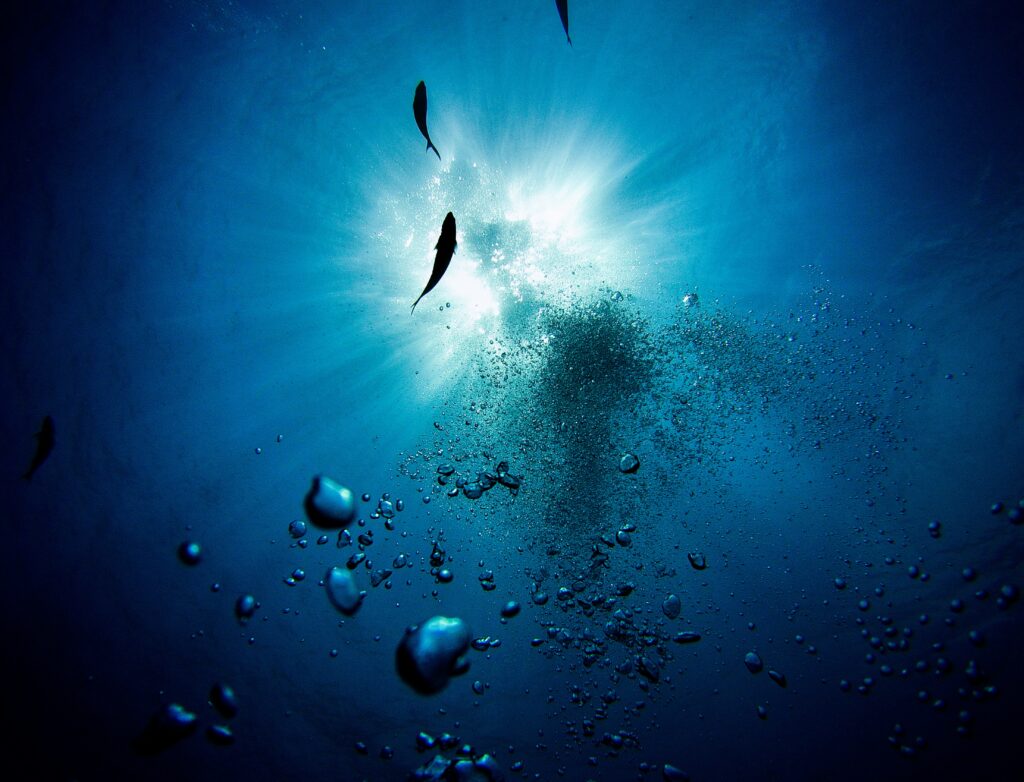
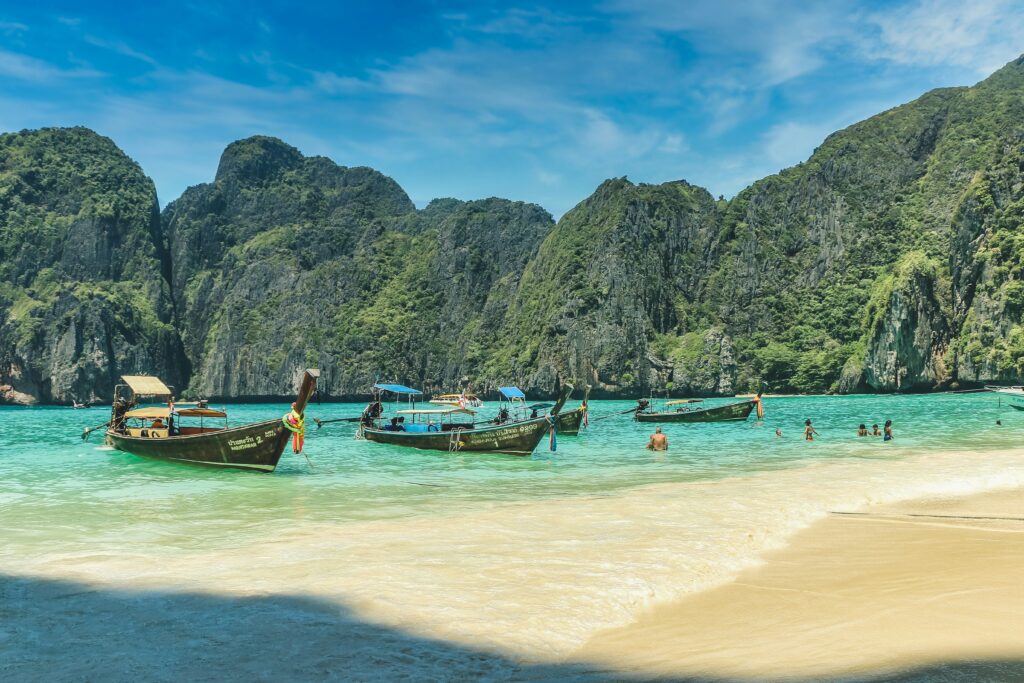
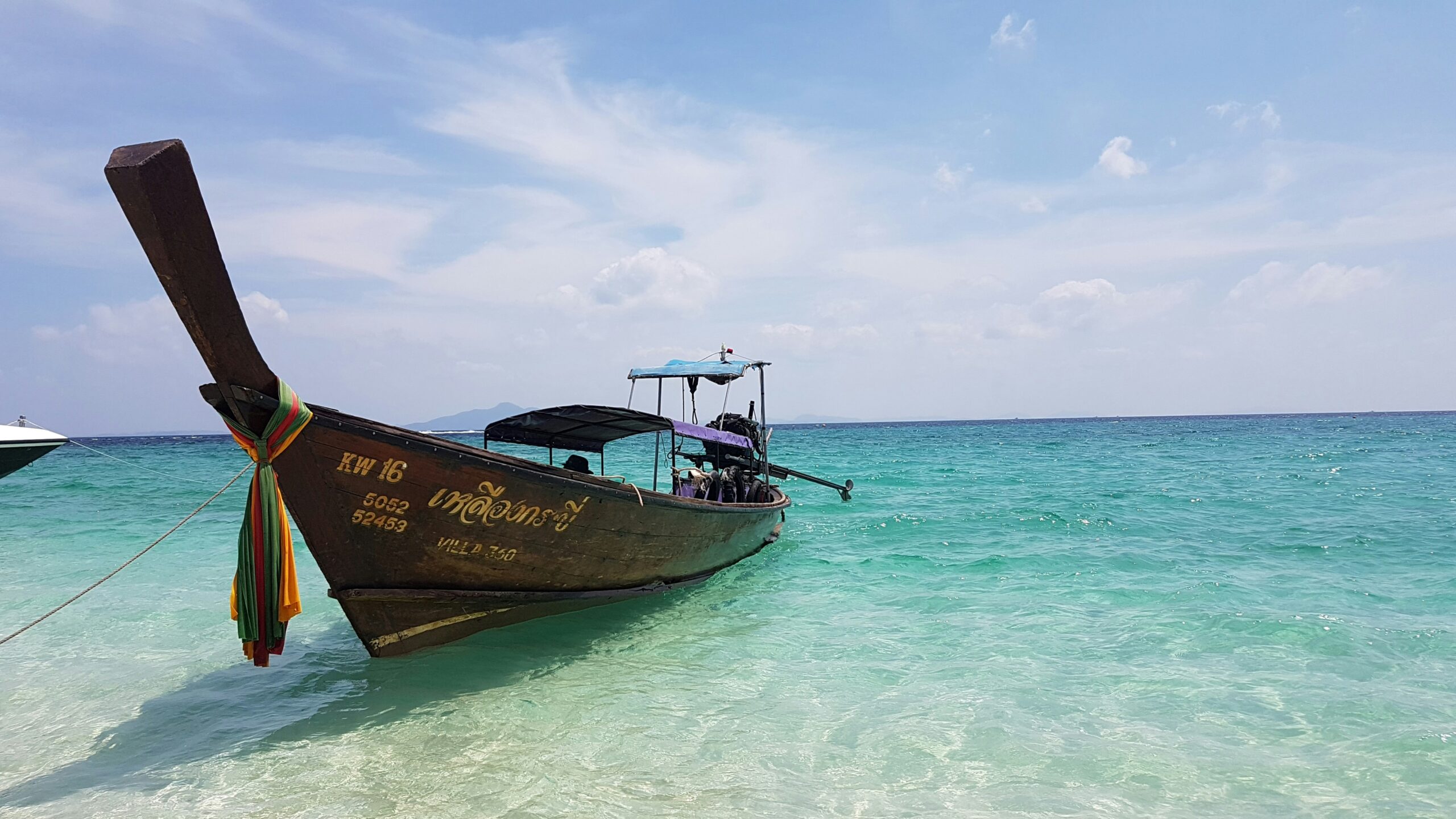
    photo by Hasmik Ghazaryan Olson on Unsplash

    Getting to Koh Tao from Bangkok

    I traveled from Bangkok on a joint bus and ferry ticket. Most long-distance tours from Bangkok depart from the Khao San Road area, making it a convenient starting point.

    Route 1: Overland (cheapest, classic)
    └ Bus + Ferry
    └ About 10-12 hours
    └ Around 1,250-1,550 baht
    └ Night departure from Khao San, arrive morning
    
    Route 2: Budget flight + ferry
    └ LCC to Chumphon + bus + ferry
    └ About 6-8 hours
    └ Around 2,500-3,500 baht
    
    Route 3: Fastest and most comfortable
    └ Flight to Koh Samui + ferry
    └ About 4-6 hours
    └ Around 5,000-7,000 baht

    If time is limited, flying to Koh Samui and catching the ferry from there is by far the most comfortable option.


    Choose a Dive School in Your Own Language

    There are plenty of dive schools on Koh Tao. When I visited, I chose one with Japanese-speaking staff.

    Most dive schools have accommodation and restaurants on site, so you can enjoy a relaxed resort stay between sessions. That’s one of the great things about Koh Tao.

    English and Japanese-friendly schools (2026)
    └ Big Blue Diving (established Japanese-run shop)
    └ Ban's Diving Resort (world-class mega resort)
    └ Houbouya Koh Tao (20+ years of safe operation)
    └ Coral Grand Divers

    Whatever language you speak, always choose a school that can teach you in your mother tongue. This involves your life. It’s not a place to cut corners.
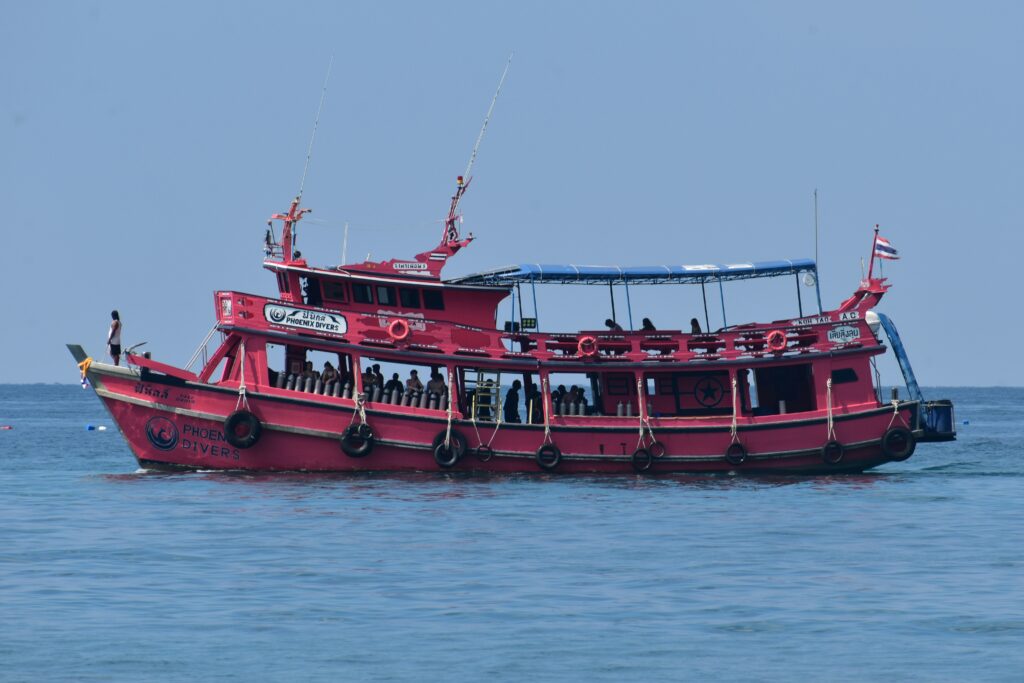
    photo by Desiree M on Unsplash

    My Instructor Who Claimed to Know a Japanese TV Celebrity

    The instructor assigned to me claimed to be connected to a famous Japanese TV personality. I won’t pretend that made any sense to non-Japanese readers, but it was the kind of strange, memorable detail you only get on the road.

    The group was multinational but everyone clicked immediately. The days spent working toward the license were genuinely fun. Diving alongside people from around the world is one of those travel experiences that stays with you.


    Cost and Time to Get Open Water Certified

    Koh Tao is known as the cheapest place in the world to get a diving license.

    Cost
    └ Around 10,000 baht (approximately USD 280)
    └ Includes materials, certification fees,
      equipment rental
    └ Some schools include free accommodation
    
    Time needed
    └ 3-4 days
    └ Complete online theory in advance
      and you can finish in as little as 3 days

    Underwater Is Another World

    I was never a strong swimmer, but diving is something else entirely compared to snorkeling.

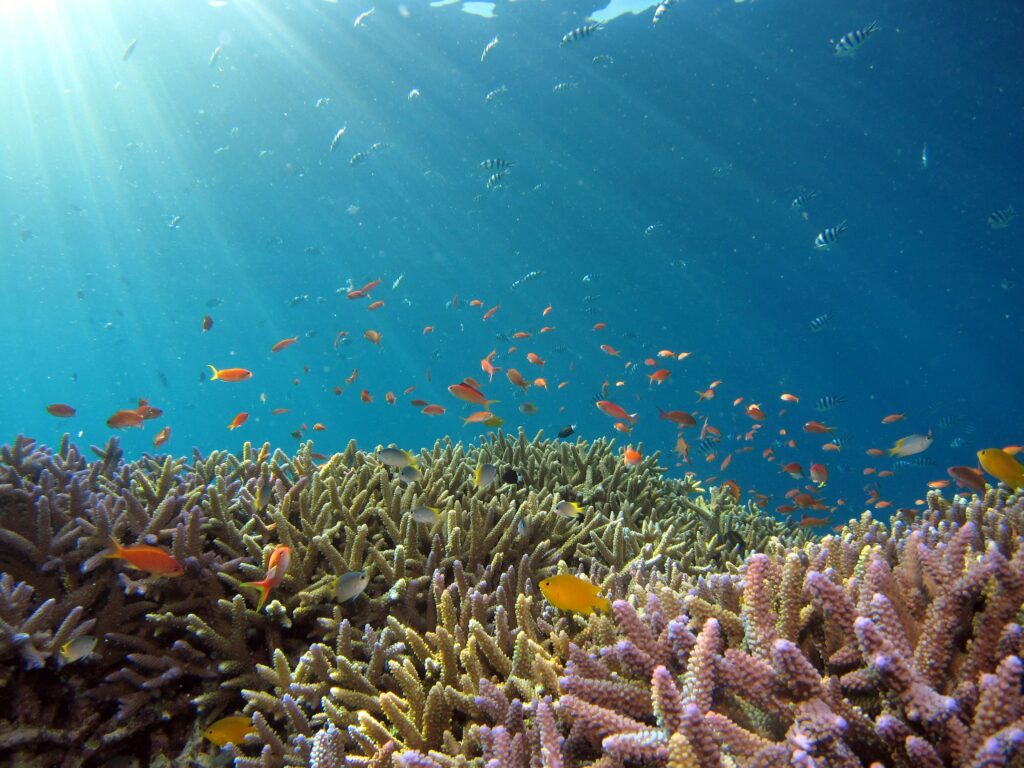
    The moment you descend into clear water and see enormous fish and schools of thousands moving around you, it feels like floating in outer space. That weightless, silent world is unlike anything else I have ever experienced.

    The marine life around Koh Tao is extraordinary.

    What you might see
    └ Giant schools of trevally and barracuda
    └ Yellowstripe scad (like a golden carpet)
    └ Sea turtles and clownfish
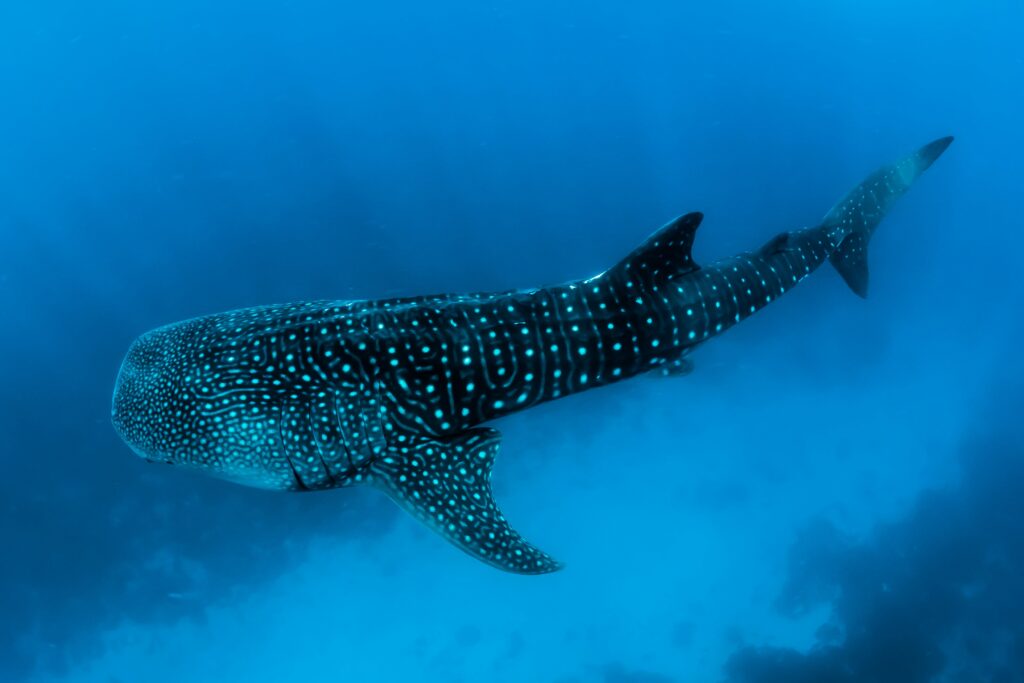
    └ Whale sharks
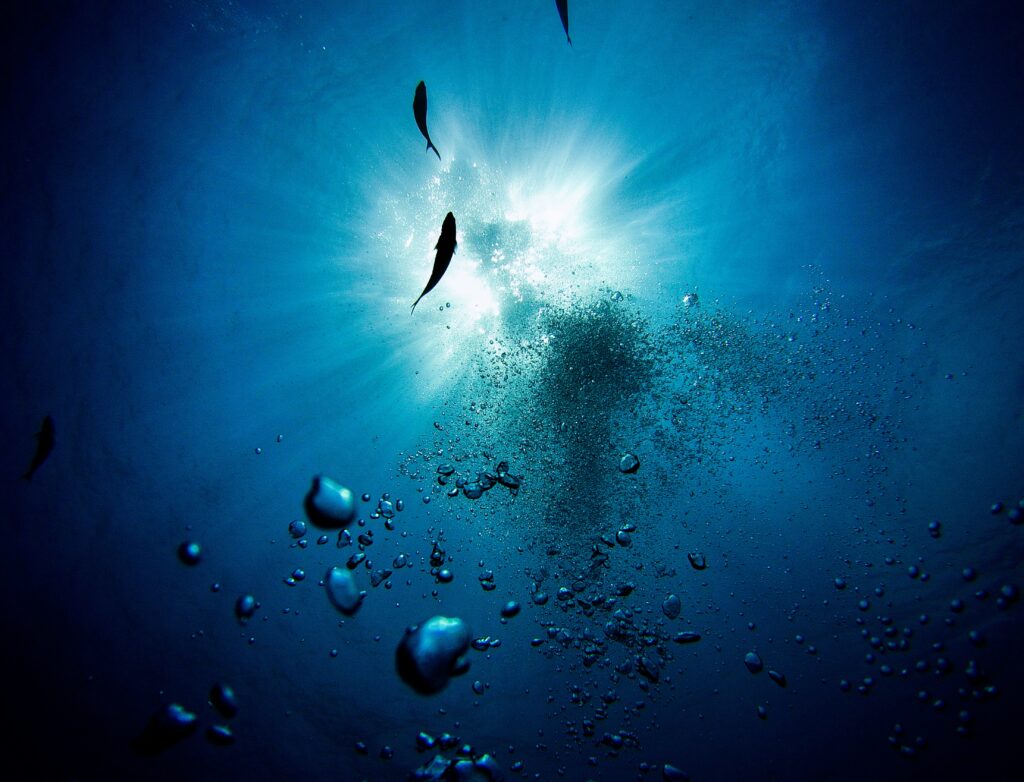
    photo by Max Gotts on Unsplash

    I Missed the Whale Shark

    Koh Tao is world famous for whale shark sightings. Another group on my trip encountered one. I did not.

    Best times for whale sharks
    └ March - May (dry season)
    └ October - November
    └ Chumphon Pinnacle and other offshore spots

    That remains unfinished business. One day I will swim with one.
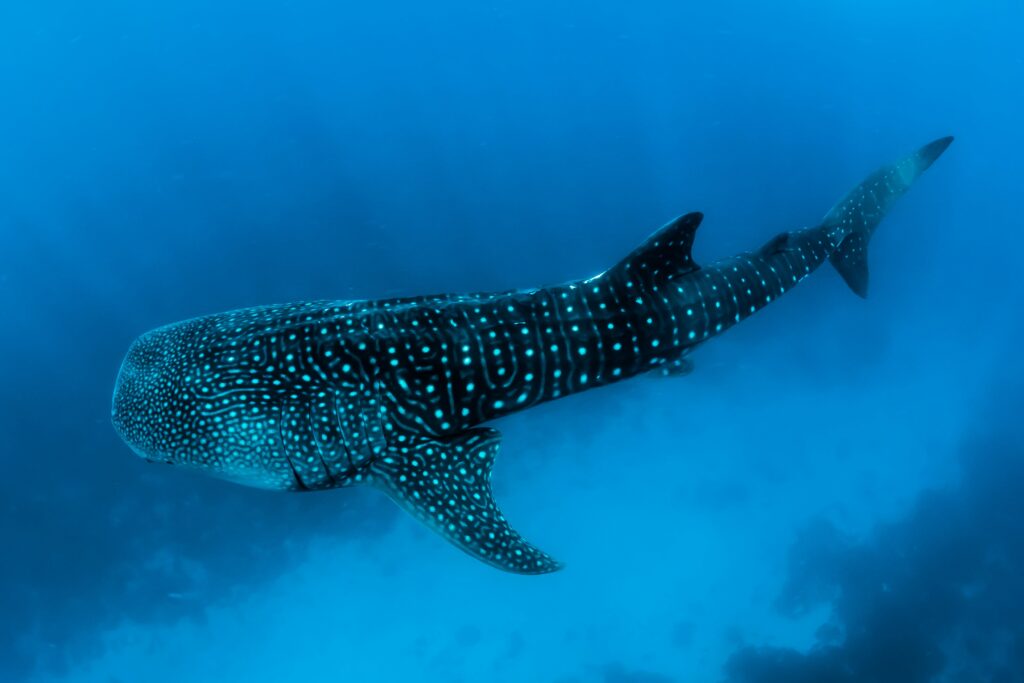
    photo by Sebastian Pena Lambarri on Unsplash

    The Seasickness Was Brutal

    I have to be honest. The worst part of the whole experience was seasickness.

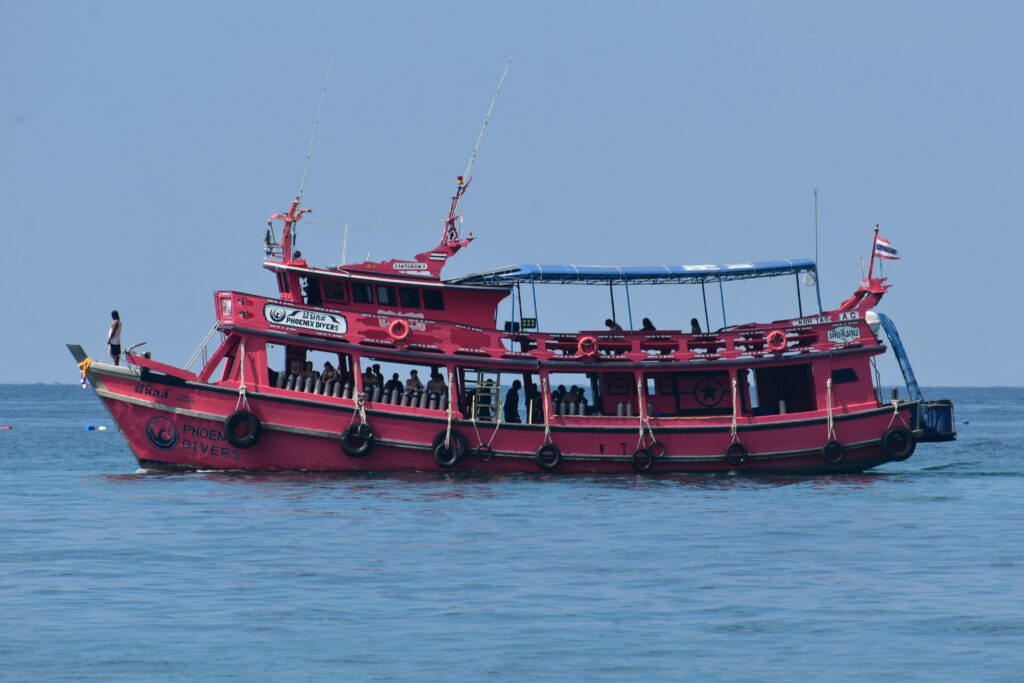
    Koh Tao diving is mostly done from boats, and when the weather turns, those boats rock hard. I got so sick I genuinely wanted to quit and go home. I had earned exactly zero sympathy from my female instructor, who made it very clear that giving up was not an option.

    Surprisingly, once I got underwater, the motion was gone. The ocean below the surface was completely calm.

    The moment I will never forget

    During our first classroom session, the instructor mentioned that if you need to vomit underwater, you can do it through the regulator. Just exhale hard and it clears.

    I used this information sooner than expected.

    What happened next was that a cloud of vomit drifted into the water around me, and within seconds a swarm of fish descended on it, apparently mistaking it for food. It was disgusting and somehow also one of the most memorable moments of the entire trip.
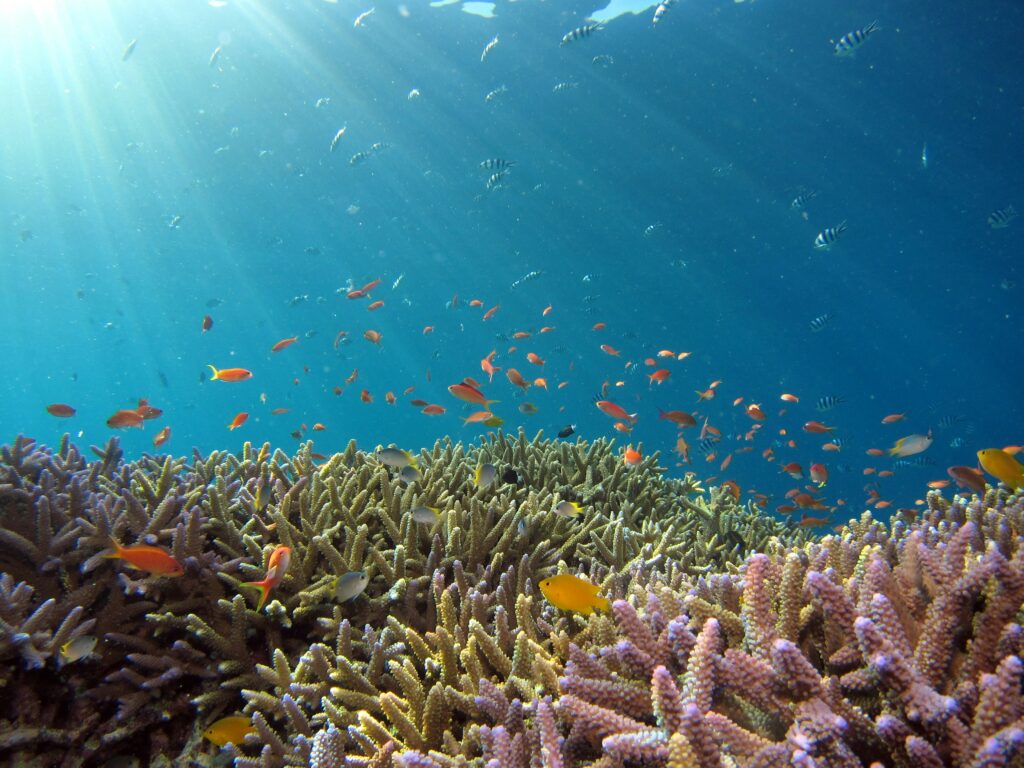
    photo by Hiroko Yoshii on Unsplash

    Seasickness Prevention Is Non-Negotiable

    Learn from my experience. Bring motion sickness medicine.

    Best option in Thailand
    └ Available at 7-Eleven and pharmacies
    └ "Dimenhydrinate" small yellow tablets
    └ Around 10 baht per pack
    └ Take 30 minutes before boarding
    └ Warning: causes strong drowsiness

    On the boat, avoid looking down at your phone. Sit in the middle or rear section where there is airflow, and keep your eyes on the horizon.


    Best Spots on Koh Tao

    Sairee Beach
    └ Largest beach on the island
    └ Cafes, bars, restaurants and shops
    └ Beautiful sunsets and nightlife hub
    
    Koh Nang Yuan
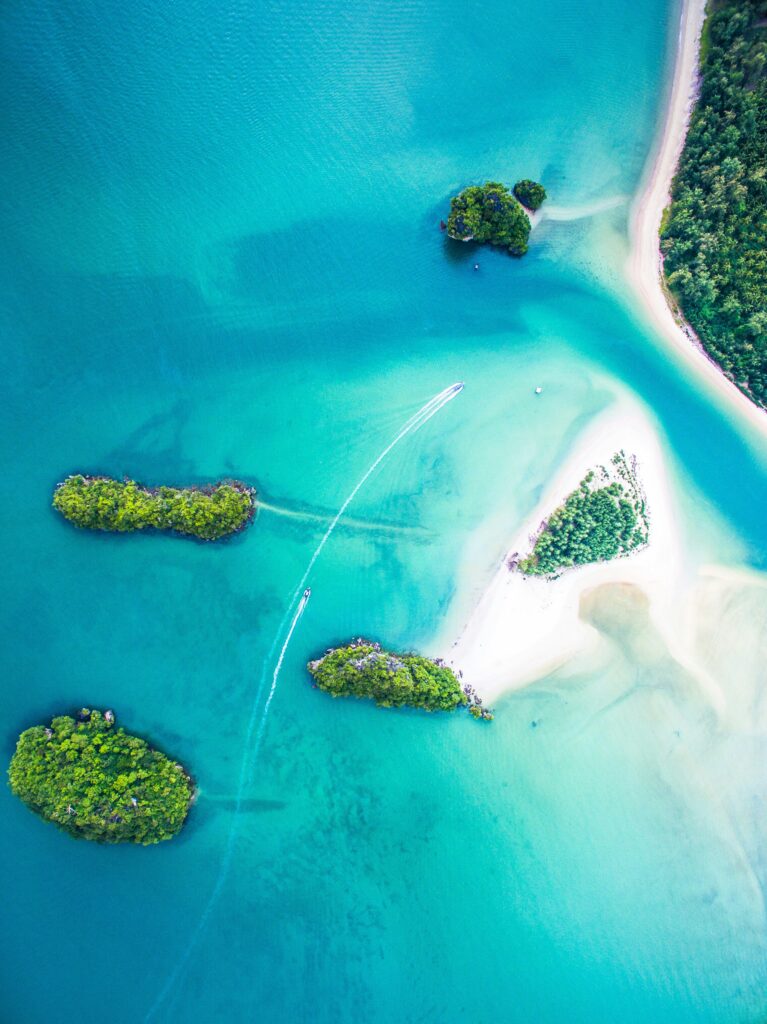
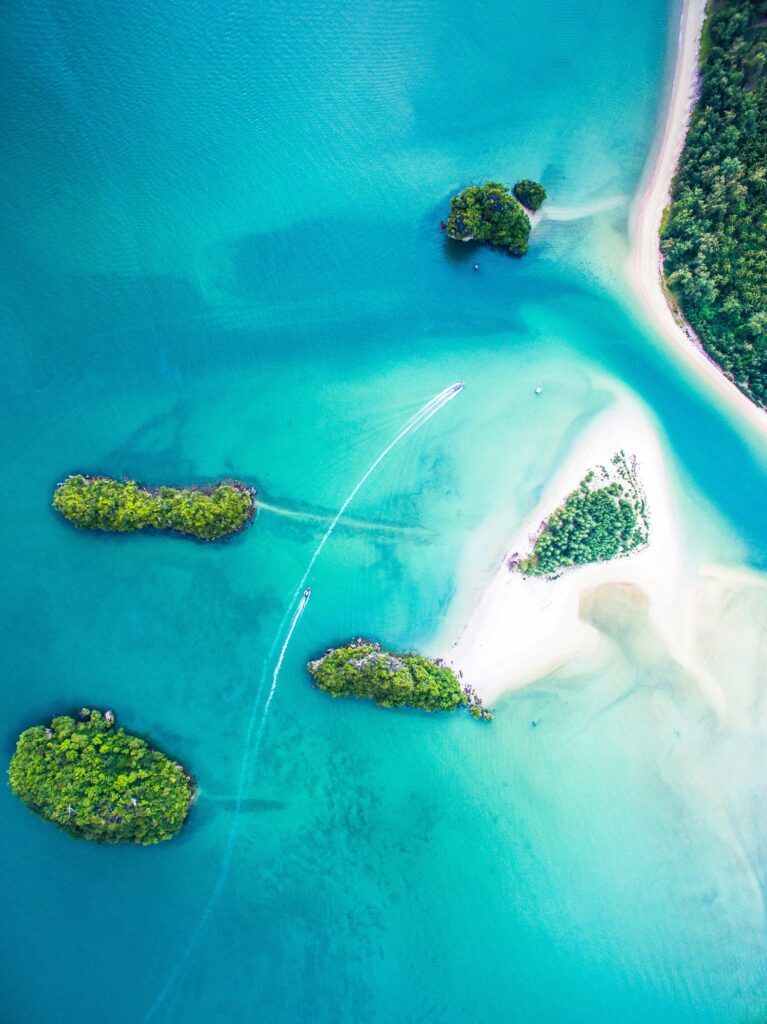
    └ Three small islands connected by white sand
    └ World-class snorkeling
    └ Viewpoint with stunning panoramic views
    └ No plastic allowed on the island
    
    Shark Bay
    └ High chance of spotting blacktip reef sharks
    └ Giant sea turtles often seen here

    Best Season and Important Warnings

    Best season
    └ March - October
    └ Calm seas, visibility 20-30 meters
    └ March-May is peak whale shark season
    
    Avoid
    └ November - December
    └ Monsoon season, rough seas and poor visibility

    Allow enough time before your flight

    After diving, you must wait at least 18 hours before boarding a flight to avoid decompression sickness. Plan your final day carefully.

    Travel insurance is essential

    The island only has basic medical facilities. Serious incidents require evacuation to Koh Samui or the mainland. Make sure your travel insurance covers diving accidents before you go.


    Final Thoughts

    Even a non-swimmer who vomited through a regulator managed to get certified on Koh Tao. And that experience gave me the confidence to go on and earn my Advanced license in Egypt.

    Koh Tao is the most beginner-friendly, most affordable, and most beautiful place to start your diving journey. Poor swimmer or seasickness sufferer, it doesn’t matter. The underwater world waiting for you is worth every moment of discomfort.

    Just bring the motion sickness tablets. That is the one thing I will never stop telling people.
  • 泳げない僕がタオ島でダイバーになった話|世界一安いダイビングライセンス

    泳げない僕がタオ島でダイバーになった話|世界一安いダイビングライセンス

    タイのタオ島は、世界中のダイバーが集まる「ダイビングの聖地」だ。そして、世界一安くダイビングライセンスが取れる島でもある。

    正直に言うと、僕は泳ぎがまったく得意ではない。そんな僕がここでオープンウォーターのライセンスを取り、後にエジプトのダハブでアドバンスまで取得した。船酔いでゲロを吐きながら、女性インストラクターに厳しく指導されてなんとかやり切った、そんな僕のタオ島の話をしたい。

    UnsplashHasmik Ghazaryan Olsonが撮影した写真のHasmik Ghazaryan Olsonが撮影したイラスト素材

    バンコクからタオ島への行き方

    僕はバンコクからバスとフェリーのジョイントチケットで向かった。バンコクから各地への長距離ツアーはカオサンロード発が多い。安く抑えたいならこれが定番だ。

    ①陸路ルート(最安・定番)
    └ 高速バス+フェリー
    └ 約10〜12時間
    └ 約1,250〜1,550バーツ
    └ カオサンを夜出発、翌朝到着
    
    ②空路ルート(コスパ良し)
    └ LCCでチュンポンへ+バス+フェリー
    └ 約6〜8時間
    └ 約2,500〜3,500バーツ
    
    ③空路ルート(最速・快適)
    └ サムイ島まで飛行機+フェリー
    └ 約4〜6時間
    └ 約5,000〜7,000バーツ

    時間がない人はバンコクから飛行機でサムイ島まで行き、そこからフェリーに乗り換えるのが圧倒的に楽だ。


    ダイビングスクールは母国語対応を選ぶ

    タオ島にはダイビングスクールがいくつもある。僕が行った当時は日本人スタッフがいるスクールを選んだ。

    ダイビングスクールは宿泊施設やレストランが敷地内にあるところが多く、講習の合間にもゆっくりリゾート滞在ができる。これがタオ島の魅力だ。

    日本語対応のおすすめスクール(2026年現在)
    └ ビッグブルーダイビング(老舗日系)
    └ バンズダイビングリゾート(世界最大級)
    └ ほうぼう屋タオ島店(20年以上の実績)
    └ コーラルグランドダイバーズ

    設備はスクールによって異なるが、初心者なら絶対に母国語ができるスクールを選んだ方が安心だ。命に関わることなので、ここはケチらない方がいい。

    UnsplashDesiree Mが撮影した写真のDesiree Mが撮影したイラスト素材

    タモリの弟子を名乗るインストラクター

    僕を担当してくれたインストラクターは、日本人にしか分からないと思うが「タモリの弟子」と名乗っていた。お昼の番組でゲストからもらったポスターを掲示板に貼る係、というあれだ。本当かどうかは今でも分からない。

    スクールは基本的に多国籍だが、みんな打ち解けやすい。ライセンスを取得する数日間は本当に楽しく過ごせた。世界中から来たダイバー仲間と海に潜る時間は、旅の中でも特別な思い出になる。


    オープンウォーター取得の費用と日数

    タオ島は「世界一安くライセンスが取れる島」と言われるほどコスパが抜群だ。

    費用相場
    └ 約10,000バーツ前後(約43,000円)
    └ 教材費・申請費・器材レンタル込み
    └ 講習中の宿泊無料の場合も多い
    
    必要日数
    └ 3〜4日間
    └ 事前にオンライン学科を済ませれば最短3日

    僕の記憶では1週間で5万円くらいだった気がするが、今はもっと安く効率的に取れるようだ。


    海に潜るのは別世界だった

    泳ぎは苦手だったが、シュノーケリングと潜水はまったくの別物だ。

    きれいな海の中に巨大な魚や魚の群れが一面に広がっている。水中で浮いている感覚は、まるで宇宙にいるようだった。あの無重力のような感覚は、一度味わうと忘れられない。

    タオ島で見られる生物も豊富だ。

    見られる生物
    └ ギンガメアジ・バラクーダの巨大な群れ
    └ キンセンフエダイの群れ(黄色い絨毯のよう)
    └ ウミガメ・クマノミ
    └ そしてジンベイザメ
    UnsplashMax Gottsが撮影した写真のMax Gottsが撮影したイラスト素材

    ジンベイザメは見られなかった

    タオ島はジンベイザメが高確率で出るスポットとして世界的に有名だ。滞在中にジンベイザメに遭遇したチームもいたが、残念ながら僕は見られなかった。

    ジンベイザメの狙い目
    └ 3月〜5月(春の乾季)
    └ 10月〜11月
    └ チュンポンピナクル等の外洋ポイント

    これは次回への宿題だ。いつか必ずあの巨体と泳いでみたい。

    UnsplashSebastian Pena Lambarriが撮影した写真のSebastian Pena Lambarriが撮影したイラスト素材

    一番辛かったのは船酔い

    正直に告白すると、一番辛かったのは船酔いだった。

    タオ島はボートダイビングが基本なので、天候が悪いと船がかなり揺れる。僕は激しく酔って、途中で「もうライセンスなんか要らない」と本気で辞めようと思った。

    そこを女性インストラクターに厳しく指導されて、なんとかやり切った。「男なんだからしっかりしなさい」と言われたら、もうやるしかない。意外なことに、船の上より水中に入った方が波がなくて楽だった。

    そして衝撃の体験

    最初の講習で「吐きたかったら酸素ボンベを付けたままでもできる」と習っていた。それを早速実践することになった。

    レギュレーター内にゲロが出たら、思いっきり息を吹き出す。すると左右からゲロが外に出る。そして、その吹き出たゲロに魚たちがエサだと思って群がってきた。あの光景は今でも忘れられない。汚い話だが、これもダイビングのリアルだ。

    UnsplashHiroko Yoshiiが撮影した写真のHiroko Yoshiiが撮影したイラスト素材

    船酔い対策は必須

    僕のような失敗をしないために、酔い止めは絶対に持っていこう。

    タイ最強の酔い止め
    └ セブンイレブンや薬局で買える
    └「Dimenhydrinate」という黄色い小さな錠剤
    └ 1袋10バーツ程度
    └ 乗船30分前に飲むとピタッと止まる
    └ ただし強い眠気が出る

    船の上では下を向いてスマホを見ず、風通しの良い中央・後方の席で遠くの景色を見るのがコツだ。


    タオ島のおすすめスポット

    サイリービーチ
    └ 島内最大のメインビーチ
    └ カフェ・バー・ショップが並ぶ
    └ 美しいサンセットとナイトライフの中心
    
    ナンユアン島
    └ 3つの小島が白砂でつながる絶景
    └ シュノーケリングの聖地
    └ 展望台からの景色は必見
    
    シャークベイ
    └ ツマグロやウミガメに高確率で会える

    ベストシーズンと注意点

    ベストシーズン
    └ 3月〜10月(海が穏やか・透明度20〜30m)
    └ 特に3〜5月はジンベイザメの好機
    
    避けるべき時期
    └ 11月〜12月(モンスーンで海が荒れる)

    ダイビング後の飛行機に注意

    減圧症対策で、ダイビング後はバンコク行きの飛行機に乗るまで最低18時間(できれば24時間以上)あける必要がある。最終日のスケジュールは慎重に組もう。

    海外旅行保険は必須

    島内には簡易クリニックしかなく、重度の事故はサムイ島や本土に救急搬送になる。ダイビング事故もカバーする海外旅行保険には必ず加入しておこう。


    まとめ

    泳ぎが苦手で、船酔いでゲロまで吐いた僕でも、タオ島でダイバーになれた。そしてその経験があったから、後にエジプトのダハブでアドバンスまで取得できた。

    タオ島は世界一安く、初心者に優しく、それでいて海の美しさは一級品だ。泳ぎが苦手でも、船酔いしやすくても大丈夫。あの宇宙のような水中世界は、すべての苦労を吹き飛ばすだけの価値がある。

    酔い止めだけは忘れずに。それだけは断言しておく。

  • 因為《海灘》而嚮往|在皮皮島與普吉島看見的真正天堂

    因為《海灘》而嚮往|在皮皮島與普吉島看見的真正天堂

    我會知道皮皮島,是因為看了李奧納多·狄卡皮歐主演的電影《海灘》。透明的海水和隱藏的天堂,當時的我完全被擄獲了心。

    有趣的是,前陣子去泰國旅行時,去程的泰國航空機內電影剛好有《海灘》,於是我久違地又看了一次。當年的嚮往全部湧上心頭。所以今天,我想說說我實際抵達那個天堂的故事。


    前往皮皮島的方式

    首先前往普吉島

    前往皮皮島一般會經由普吉島。當年的我從考山路搭長途巴士一路前往普吉島。

    從曼谷到普吉島搭飛機最輕鬆,但因為陸地相連,也可以搭火車或長途巴士。搭夜間臥鋪出發,隔天早上就會抵達。如果時間充裕,一邊看著泰國風景一邊陸路移動也不錯。

    從普吉島搭渡輪或快艇

    從普吉島到皮皮島有兩種方式。

    大型渡輪
    └ 所需時間:約2小時
    └ 單程:800-1,000泰銖
    └ 搖晃較少、較便宜
    
    快艇
    └ 所需時間:約1小時
    └ 單程:1,300-1,500泰銖
    └ 較快但較搖晃,必備暈船藥

    悠閒派選渡輪,時間優先選快艇。

    photo by Humphrey M on Unsplash

    普吉島也別只是路過

    容易被當成前往皮皮島的中轉站而錯過,但普吉島本身就是世界級的海灘度假勝地。

    海水美麗,可以潛水和從事水上運動。世界知名的斯米蘭群島也可以從普吉島當天來回。

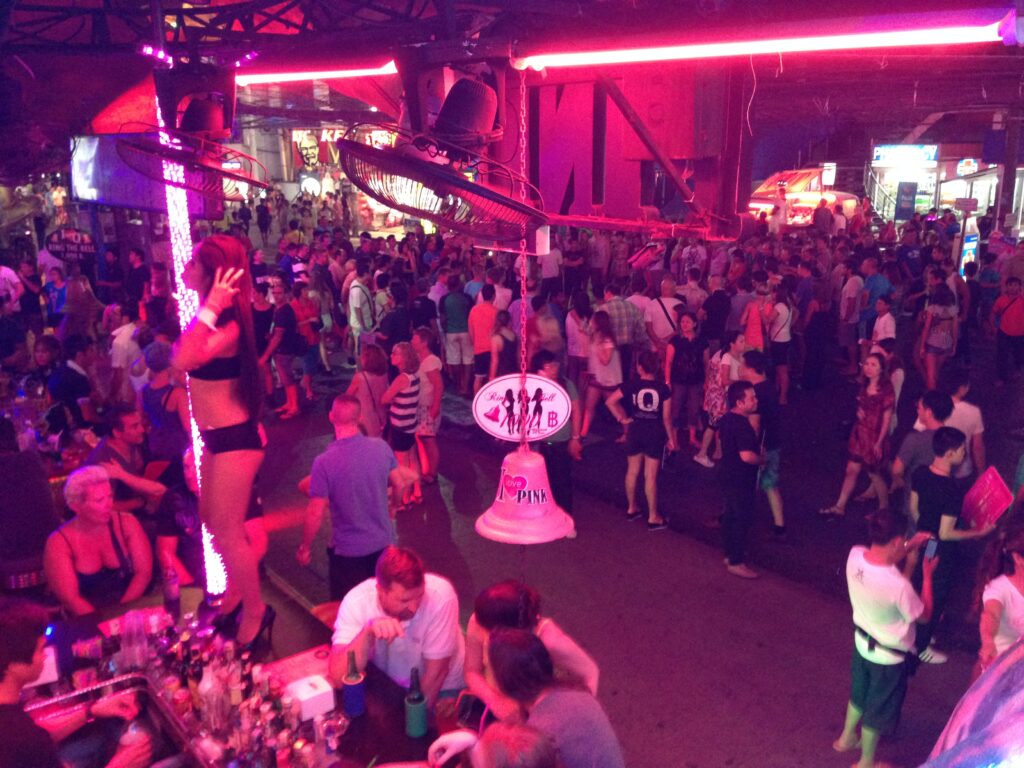
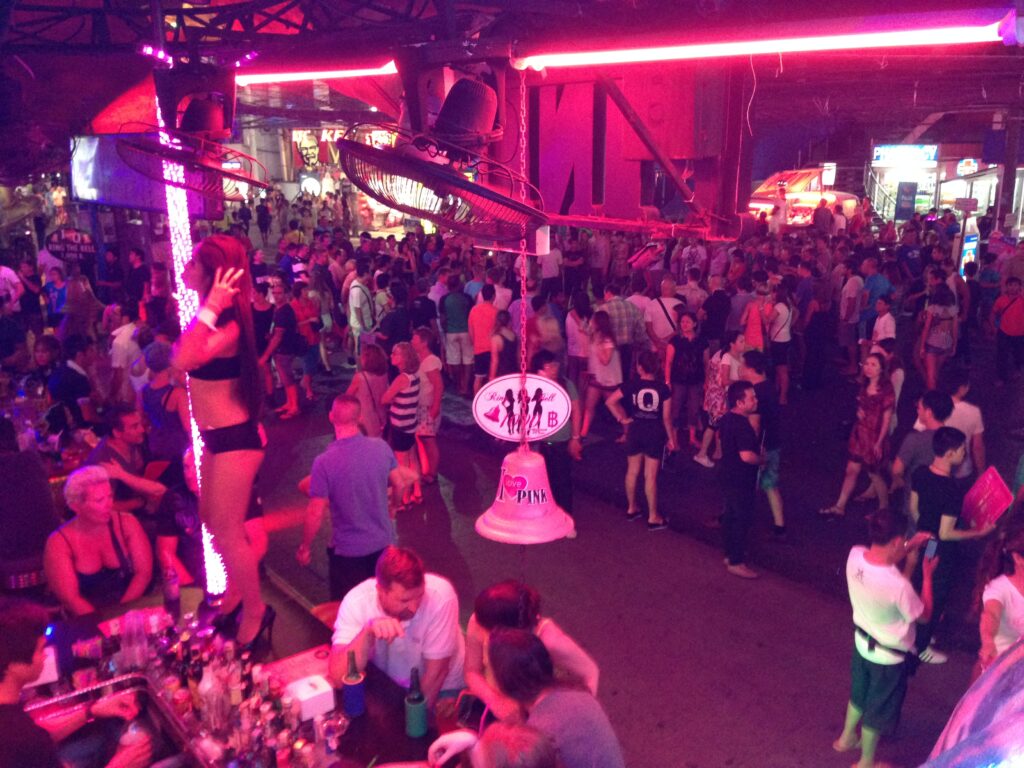
    最讓我驚訝的是白天與夜晚的反差。白天是悠閒的海灘度假勝地,一到夜晚最熱鬧的芭東海灘周邊就完全變了樣。邦拉路一到晚上就變成步行的歡樂街,俱樂部和酒吧林立。新鮮海鮮自不在話下,那份熱鬧程度不輸芭達雅的夜生活,喜歡夜遊的人會愛不釋手。那份落差每次都讓我驚艷。

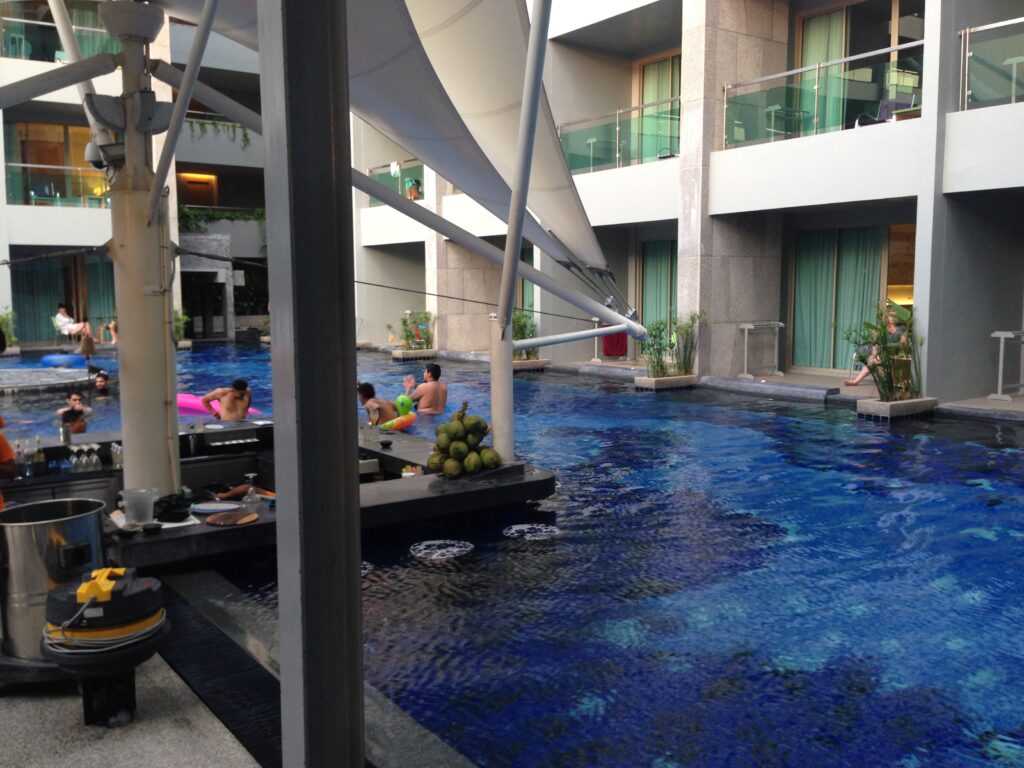
    最近也陸續開了設有無邊際泳池的時尚海灘俱樂部,能享受到與過去不同的玩法。


    抵達皮皮島瞬間的震撼

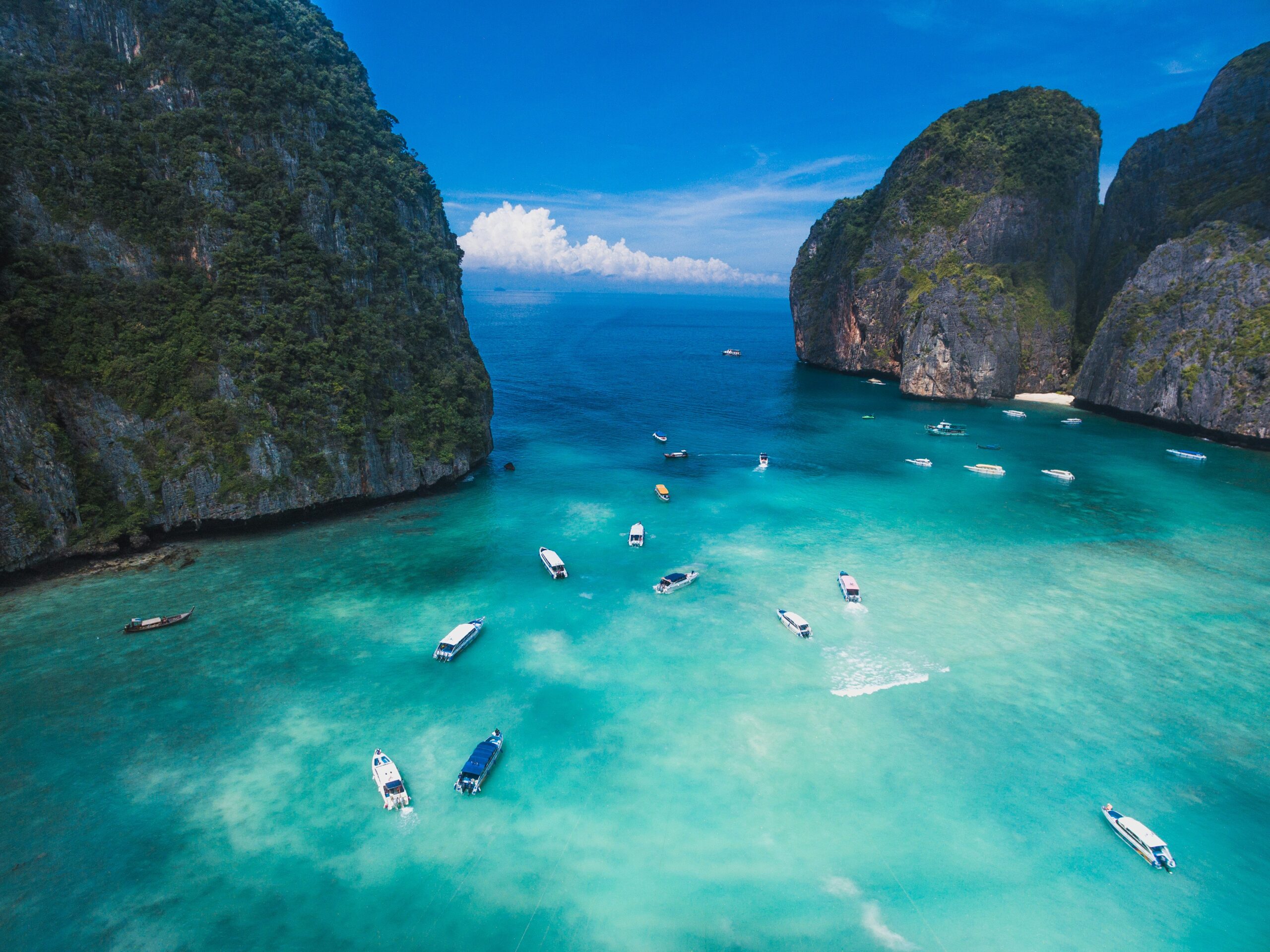
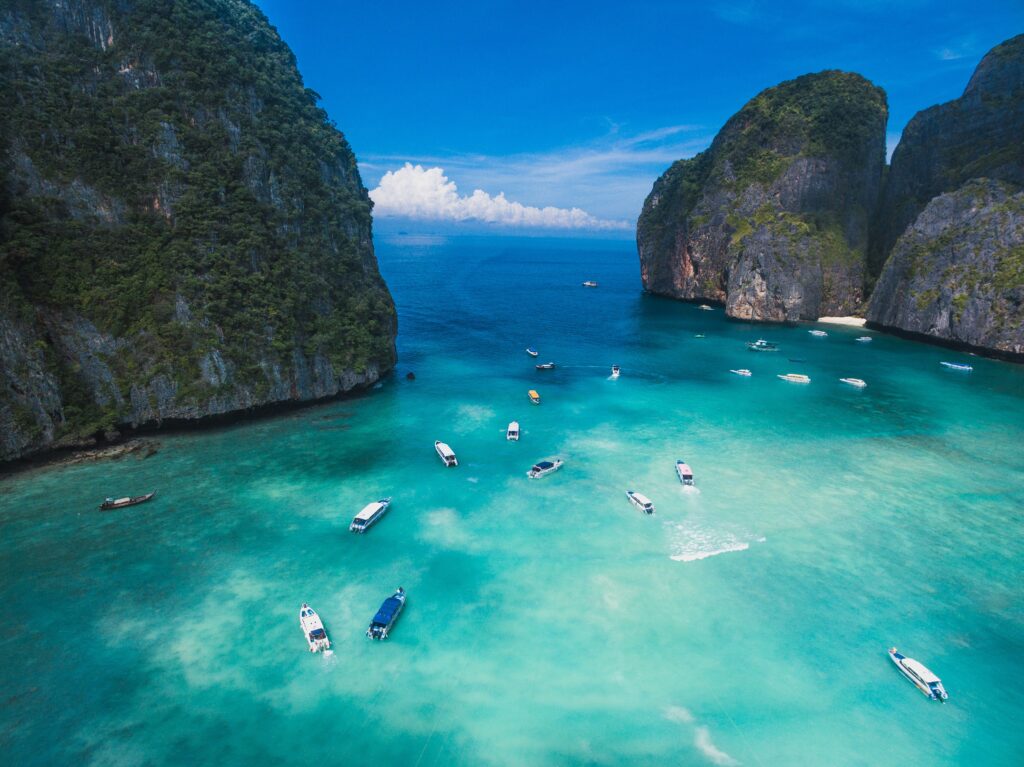
    當船隻接近皮皮島,那壓倒性的美麗讓人屏息。

    透明度相當高,但跟沖繩的宮古島又是不同的美。翡翠綠的海水與泰國獨特的陡峭岩山風景相互襯托,創造出獨一無二的景色。我完全被擄獲了。

    上島時需付費

    皮皮島在通賽碼頭需付20泰銖入島費。若要前往瑪雅灣等國立公園區域,需另付入場費(成人400泰銖、兒童200泰銖)。當地現金支付,建議準備一些零錢。

    photo by M o e on Unsplash

    瑪雅灣(《海灘》拍攝地)的現況

    嚮往的聖地瑪雅灣,現在為了環境保護規定變得很嚴格。

    現行規定
    └ 完全禁止在海裡游泳(泡到腳踝OK)
    └ 每年8月1日〜9月30日整個海灣封閉
    └ 每日入場人數有上限
    └ 船隻從島的背面羅沙瑪灣上岸

    這是為了挽回曾經因過度觀光而被破壞的自然所採取的措施。正因為是嚮往的地方,更要遵守規則造訪。


    皮皮島推薦景點

    皮萊潟湖
    └ 被斷崖絕壁包圍、宛如天然泳池的海灣
    └ 搭船拍照超人氣
    
    羅達浪灣
    └ 淺灘的美麗海灘
    └ 夜晚有火舞秀和海灘派對
    
    猴子海灘
    └ 野生猴子棲息的海灘
    └ 小心隨身物品被偷

    浮潛與潛水

    皮皮島周邊的海水全年水溫維持在28-30℃,溫暖且透明度絕佳。遇見海龜和黑鰭礁鯊的機率很高。雖說是鯊魚,但都是溫馴的種類,不用擔心。

    也有提供日語服務的潛水店,無證照的體驗潛水也很盛行。在這裡體驗人生第一次潛水會是難忘的回憶。


    住宿從平價到奢華

    我當時住在皮皮島中心的背包客平價小屋。當時還年輕,那樣就已經幸福得不得了。

    皮皮島住宿區域
    └ 通賽〜羅達浪灣周邊
     中心地、便利性絕佳、應有盡有
    └ 萊姆東灣(北端)
     僅能搭船抵達、高級度假村
     寧靜、適合成熟大人

    可以根據預算和風格選擇。平價玩一次,總有一天奢華一次,這也是一種樂趣。

    photo by Denys Nevozhai on Unsplash

    我在皮皮島的度過方式

    以下是我在島上的理想一天。

    白天就只是在海灘悠閒放鬆,或在透明的海水中浮潛,與彷彿伸手可及的魚兒一起游泳。

    重頭戲是日落。在時尚的咖啡廳啜飲雞尾酒,聆聽著海風和海浪聲,看著夕陽西下。那一刻真的夢幻無比,電影中嚮往的天堂就在眼前。


    最佳季節與曼谷略有不同

    這是個意外的陷阱。泰國南部的島嶼氣候與曼谷略有差異。

    11月〜4月(乾季)
    └ 最佳季節
    └ 海浪平穩、雨量少
    └ 海水透明度最高
    
    5月〜10月(雨季)
    └ 驟雨增多、海象較差
    └ 飯店費用較便宜
    └ 普吉島側是衝浪季

    斯米蘭群島為期間限定

    順帶一提,斯米蘭群島每年僅10月15日〜隔年5月15日開放,其餘時間完全封閉。必須事先登記和購買電子票,且禁止島內住宿(僅限當天來回),需要事先規劃。


    務必遵守環境保護規定

    近年來訂立了附帶罰則的嚴格規定。

    防曬乳
    └ 含有害珊瑚化學物質者
     禁止在國立公園內使用
    └ 違者最高罰款10萬泰銖
    └ 請使用標示「Reef Safe」的產品
    
    其他
    └ 禁止攜帶一次性塑膠
    └ 嚴禁踩踏珊瑚、餵食魚類

    為了將這個天堂留給下一代,這些絕對值得遵守。


    總結

    因為嚮往《海灘》而前往的皮皮島,不僅沒有辜負期待,更超乎想像。翡翠綠的海、陡峭的岩山、日落的雞尾酒。一切都完美無瑕。

    在普吉島享受度假和夜生活,在皮皮島沉浸於真正的天堂。曾經為那部電影著迷的人,值得親眼確認一次。在飛機上再看一次《海灘》,肯定又會想去了。

  • Chasing The Beach: The Real Paradise I Found in Phi Phi and Phuket

    Chasing The Beach: The Real Paradise I Found in Phi Phi and Phuket

    I first learned about Phi Phi Island from the Leonardo DiCaprio film “The Beach.” The crystal-clear water and the hidden paradise completely captured my heart back then.

    Funnily enough, on my recent trip to Thailand, “The Beach” happened to be one of the in-flight movies on Thai Airways, so I watched it again after all these years. All that old longing came flooding back. So today, I want to tell the story of how I actually reached that paradise.


    How to Get to Phi Phi Island

    First, head to Phuket

    The usual route to Phi Phi goes through Phuket. Back then, I took a long-distance bus from Khao San Road all the way to Phuket.

    Flying from Bangkok to Phuket is the easiest option, but since it’s connected by land, you can also go by train or long-distance bus. Take a night sleeper and you’ll arrive by morning. If you have time, the overland journey watching Thailand’s scenery pass by isn’t bad at all.

    From Phuket by ferry or speedboat

    There are two ways to cross from Phuket to Phi Phi.

    Large Ferry
    └ Travel time: about 2 hours
    └ One way: 800-1,000 baht
    └ Less rocking, more affordable
    
    Speedboat
    └ Travel time: about 1 hour
    └ One way: 1,300-1,500 baht
    └ Faster but rougher, bring motion sickness pills

    Ferry for the relaxed traveler, speedboat if time is your priority.

    photo by Humphrey M on Unsplash

    Don’t Just Pass Through Phuket

    It’s easy to treat Phuket as a mere transit point, but Phuket itself is a world-class beach resort.

    The sea is beautiful, with diving and water sports on offer. The famous Similan Islands are even reachable as a day trip from Phuket.

    What surprises me most is the contrast between day and night. By day it’s a relaxed beach resort, but at night the area around Patong Beach transforms completely. Bangla Road becomes a pedestrian entertainment district packed with clubs and bars. Fresh seafood, of course, plus a buzz that rivals Pattaya’s nightlife. The gap never fails to amaze me.

    Recently, stylish beach clubs with infinity pools have been opening one after another, offering a different way to enjoy the island than in the old days.


    The Shock of Arriving at Phi Phi

    As the boat approaches Phi Phi, the sheer beauty takes your breath away.

    The water is incredibly clear, but it’s a different kind of beauty than Miyakojima in Okinawa. The emerald green sea matched with Thailand’s distinctive towering limestone cliffs creates a one-of-a-kind landscape. I was completely captivated.

    There are entry fees on arrival

    Phi Phi charges a 20 baht entry fee at Tonsai Pier. If you’re heading to national park areas like Maya Bay, there’s a separate entry fee (400 baht adults, 200 baht children). It’s cash only on site, so keep some small bills handy.

    photo by M o e on Unsplash

    Maya Bay (The Beach Filming Location) Today

    The legendary Maya Bay now has strict rules in place to protect the environment.

    Current rules
    └ Swimming completely prohibited (ankle-deep OK)
    └ Entire bay closed August 1 - September 30 yearly
    └ Daily visitor limit
    └ Boats land from the back side at Loh Samah Bay

    These measures aim to restore the nature once destroyed by overtourism. Precisely because it’s such a cherished place, we should visit responsibly.


    Recommended Spots on Phi Phi

    Pileh Lagoon
    └ A cove like a natural pool surrounded by cliffs
    └ Hugely popular for boat photography
    
    Loh Dalum Bay
    └ A beautiful shallow beach
    └ Fire shows and beach parties at night
    
    Monkey Beach
    └ A beach where wild monkeys live
    └ Watch out for them stealing your belongings

    Snorkeling and Diving

    The waters around Phi Phi stay warm at 28-30°C year-round with excellent visibility. You have a high chance of encountering sea turtles and blacktip reef sharks. The sharks are a gentle species, so there’s no need to worry.

    There are dive shops with Japanese-speaking staff, and intro dives without a license are popular too. Experiencing your very first dive here would be unforgettable.

    Accommodation from Budget to Luxury

    I stayed at a budget backpacker bungalow in central Phi Phi. I was young, and it was more than enough to make me happy.

    Phi Phi accommodation areas
    └ Tonsai to Loh Dalum Bay
     Central, convenient, everything available
    └ Laem Tong Bay (north end)
     Boat access only, luxury resorts
     Quiet, for grown-ups

    You can choose based on budget and style. Budget once, luxury someday, that’s a fun way to do it.
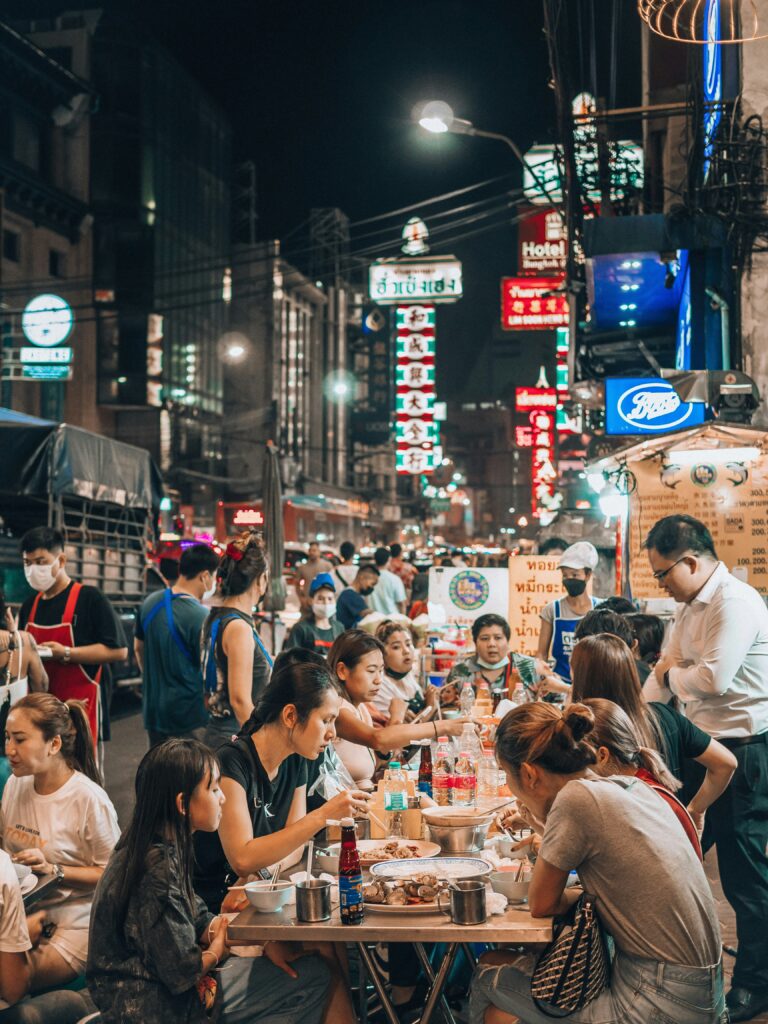
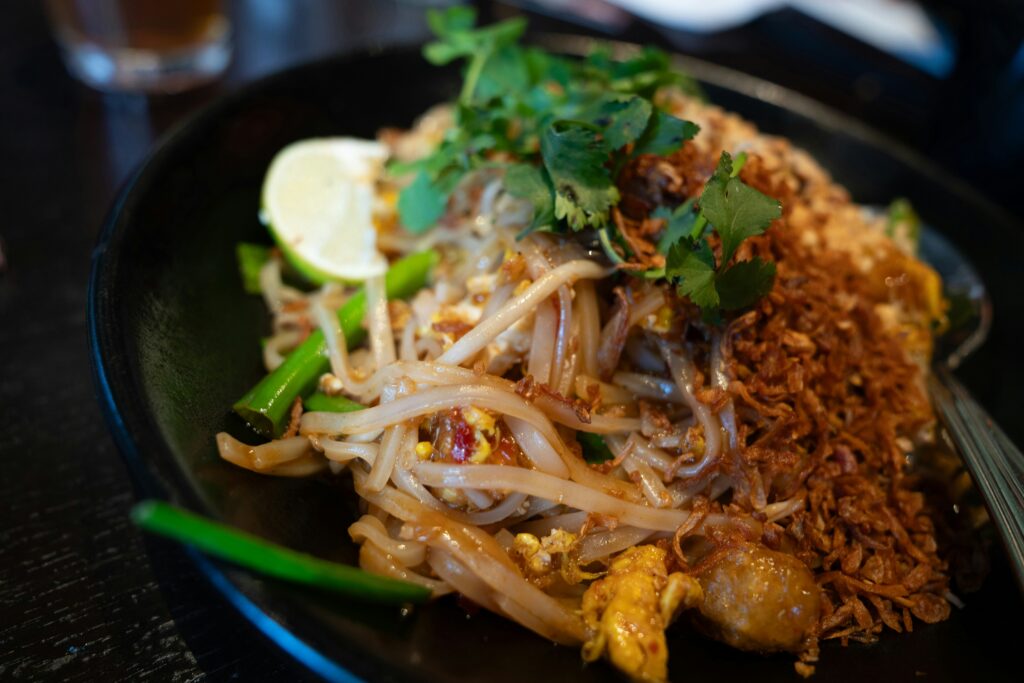
    photo by Denys Nevozhai on Unsplash

    How I Spent My Days on Phi Phi

    Here’s my ideal day on the island.

    By day, I simply relax on the beach or snorkel in the crystal-clear water, swimming alongside fish that feel close enough to touch.

    The highlight is sunset. Sipping a cocktail at a stylish cafe, listening to nothing but the sea breeze and the sound of the waves as the sun goes down. That moment was truly magical, the paradise I’d longed for from the movie sitting right before my eyes.


    The Best Season Differs Slightly from Bangkok

    This is a surprising pitfall. The southern islands of Thailand have slightly different weather from Bangkok.

    November - April (dry season)
    └ Best season
    └ Calm waves, little rain
    └ Highest water clarity
    
    May - October (rainy season)
    └ More squalls, rougher seas
    └ Cheaper hotels
    └ Surf season on the Phuket side

    The Similan Islands are seasonal

    The Similan Islands are open only from October 15 to May 15, completely closed otherwise. Advance registration and e-tickets are required, and overnight stays are banned (day trips only), so you need to plan ahead.


    Always Follow the Environmental Rules

    In recent years, strict rules with penalties have been introduced.

    Sunscreen
    └ Products with reef-harming chemicals
     banned in national parks
    └ Fines up to 100,000 baht
    └ Use "Reef Safe" labeled products
    
    Others
    └ No single-use plastics
    └ No walking on coral or feeding fish

    To preserve this paradise for future generations, these are absolutely worth following.


    Final Thoughts

    The Phi Phi Island I traveled to chasing “The Beach” didn’t just meet my expectations, it exceeded them. The emerald sea, the towering cliffs, the sunset cocktails. Everything was perfect.

    Enjoy the resort and nightlife in Phuket, then immerse yourself in the real paradise of Phi Phi. If you’ve ever dreamed over that movie, it’s worth seeing with your own eyes at least once. Watch “The Beach” on your flight, and you’ll surely want to go again.

  • ザ・ビーチに憧れて。ピピ島とプーケットで見た本物の楽園

    ザ・ビーチに憧れて。ピピ島とプーケットで見た本物の楽園

    ピピ島を知ったのは、レオナルド・ディカプリオ主演の映画「ザ・ビーチ」を観たからだった。透明な海と隠された楽園に、当時の僕は完全に心を奪われた。

    面白いことに、先日のタイ旅行でも行きのタイ国際航空の機内映画にザ・ビーチがあって、久しぶりに観てしまった。あの頃の憧れが蘇ってくる。今回は、僕が実際にあの楽園にたどり着いた話をしたい。


    ピピ島への行き方

    まずはプーケットを目指す

    ピピ島へはまずプーケットを経由するのが一般的だ。当時の僕はカオサンロードから長距離バスでプーケットまで向かった。

    バンコクからプーケットへは飛行機が一番楽だが、陸続きなので列車や長距離バスでも行ける。寝台で夜出発すれば翌朝には着く。時間に余裕があるなら、車窓からタイの風景を眺めながらの陸路移動も悪くない。

    プーケットからフェリーかスピードボートで

    プーケットからピピ島への渡り方は2通りある。

    大型フェリー
    └ 所要時間:約2時間
    └ 片道:約800〜1,000バーツ
    └ 揺れが少なくリーズナブル
    
    スピードボート
    └ 所要時間:約1時間
    └ 片道:約1,300〜1,500バーツ
    └ 速いが揺れやすいので酔い止め必須

    のんびり派はフェリー、時間優先ならスピードボートだ。

    UnsplashHumphrey Mが撮影した写真のHumphrey Mが撮影したイラスト素材

    プーケットも素通りするにはもったいない

    ピピ島へ向かう経由地として通り過ぎてしまいがちだが、プーケット自体が世界的なビーチリゾートだ。

    海は美しく、ダイビングやマリンスポーツも楽しめる。世界的に有名なシミラン諸島へもプーケットから日帰りで行ける。

    そして驚くのが昼と夜のギャップだ。昼間はゆったりとしたビーチリゾートなのに、夜になると一番栄えているパトンビーチ周辺は一変する。バングラ通りは夜になると歩行者天国の歓楽街になり、クラブやバーが密集する。新鮮なシーフード料理はもちろん、パタヤの夜にも負けないくらいの賑わいで、夜遊び好きにはたまらない。あの落差には毎回驚かされる。

    最近はインフィニティプールを備えたスタイリッシュなビーチクラブも続々オープンしているので、昔とはまた違った楽しみ方もできる。


    ピピ島に着いた瞬間の衝撃

    ボートがピピ島に近づくと、その圧倒的な美しさに息を呑む。

    透明度はかなり高いのだが、沖縄の宮古島とはまた違う綺麗さだ。エメラルドグリーンの海と、タイ独特の切り立った岩山の風景がマッチして、唯一無二の景色を作り出している。完全に心を奪われた。

    UnsplashM o eが撮影した写真のM o eが撮影したイラスト素材

    入島時に料金がかかる

    ピピ島ではトンサイ港の入島料が20バーツかかる。マヤベイなど国立公園エリアに行く場合は別途入場料(大人400バーツ・子供200バーツ)が必要だ。現地で現金払いなので小銭を用意しておくといい。


    マヤベイ(ザ・ビーチの撮影地)の今

    憧れの聖地マヤベイだが、今は環境保護のためルールが厳しくなっている。

    現在のルール
    └ 海での遊泳は完全禁止(足首まではOK)
    └ 毎年8月1日〜9月30日は湾全体が閉鎖
    └ 1日の入場者数に上限あり
    └ ボートは島の裏側ロサマベイから上陸

    オーバーツーリズムで一度破壊された自然を取り戻すための措置だ。憧れの場所だからこそ、ルールを守って訪れたい。


    ピピ島のおすすめスポット

    ピレーラグーン
    └ 断崖絶壁に囲まれた天然プールのような入り江
    └ ボートでの写真撮影が大人気
    
    ローダラムベイ
    └ 浅瀬の美しいビーチ
    └ 夜はファイヤーショーやビーチパーティーで賑わう
    
    モンキービーチ
    └ 野生のサルが暮らすビーチ
    └ 手荷物の盗難に注意
    UnsplashDenys Nevozhaiが撮影した写真のDenys Nevozhaiが撮影したイラスト素材

    シュノーケリングとダイビング

    ピピ島周辺の海は水温が年間を通じて28〜30℃と温かく、透明度も抜群だ。ウミガメやブラックチップリーフシャーク(サメ)との遭遇率も高い。サメといっても大人しい種類なので心配いらない。

    日本語対応のダイビングショップもあり、ライセンスなしの体験ダイビングも盛んだ。初めての一本をここで経験するのも最高だと思う。


    宿は格安からラグジュアリーまで

    僕が泊まったのはピピ島中心部のバックパッカー向け格安バンガローだった。当時は若かったし、それで十分すぎるほど幸せだった。

    ピピ島の宿泊エリア
    └ トンサイ〜ローダラムベイ周辺
     中心地・利便性抜群・何でも揃う
    └ レムトンベイ(北端)
     ボートのみアクセス・高級リゾート
     静かな大人向け

    予算とスタイルに合わせて選べるのがいい。一度は格安で、いつかは贅沢に、という楽しみ方もできる。


    ピピ島での過ごし方

    僕がたどり着いた理想の一日はこんな感じだ。

    昼間はビーチでただゆっくりするか、透明度の高い海でシュノーケリングをして過ごす。魚が手に届きそうな距離を泳いでいく。

    そしてハイライトはサンセットだ。オシャレなカフェでカクテルを飲みながら、潮風と波の音だけを聴きながら夕日が沈むのを眺める。あの時間は本当に幻想的で、映画で憧れた楽園がそのまま目の前にあった。


    ベストシーズンはバンコクと少し違う

    ここが意外な落とし穴だ。タイ南部の島はバンコクと気候が少しずれる。

    11月〜4月(乾季)
    └ ベストシーズン
    └ 波が穏やか・雨が少ない
    └ 海の透明度が最も高い
    
    5月〜10月(雨季)
    └ スコールが増え海が荒れやすい
    └ ホテル代は安くなる
    └ プーケット側はサーフシーズン

    シミラン諸島は期間限定

    ちなみにシミラン諸島は毎年10月15日〜翌年5月15日のみオープンで、それ以外は完全閉鎖される。事前登録と電子チケットが必須で島内宿泊は禁止(日帰りのみ)なので、計画的に動く必要がある。


    環境保護のルールは必ず守る

    近年、罰則付きの厳しいルールができている。

    日焼け止め
    └ サンゴに有害な化学物質を含むものは
     国立公園内で使用禁止
    └ 違反は最大10万バーツの罰金
    └「Reef Safe」表記のものを使う
    
    その他
    └ 使い捨てプラスチック持ち込み禁止
    └ サンゴの上を歩く・魚に餌やり厳禁

    楽園を次の世代にも残すため、これは絶対に守りたい。


    まとめ

    ザ・ビーチに憧れて向かったピピ島は、期待を裏切らないどころか、想像を超えていた。エメラルドグリーンの海、切り立った岩山、サンセットのカクテル。すべてが完璧だった。

    プーケットでリゾートとナイトライフを味わい、ピピ島で本物の楽園に浸る。映画に憧れた人なら、一度はこの目で確かめる価値がある。機内でまたザ・ビーチを観たら、きっとまた行きたくなるはずだ。

  • 泰國街頭美食指南|20年老饕真心推薦的必吃美味

    泰國街頭美食指南|20年老饕真心推薦的必吃美味

    泰國料理的魅力,就在於路邊攤。便宜、美味,還能連同當地的空氣一起品嚐。在泰國來來去去20年的筆者,根據親身經驗,誠實地告訴你真正好吃的東西和品嚐的訣竅。

    photo by Alexandra Tran on Unsplash

    先從我傳說中的冬陰功慘案說起

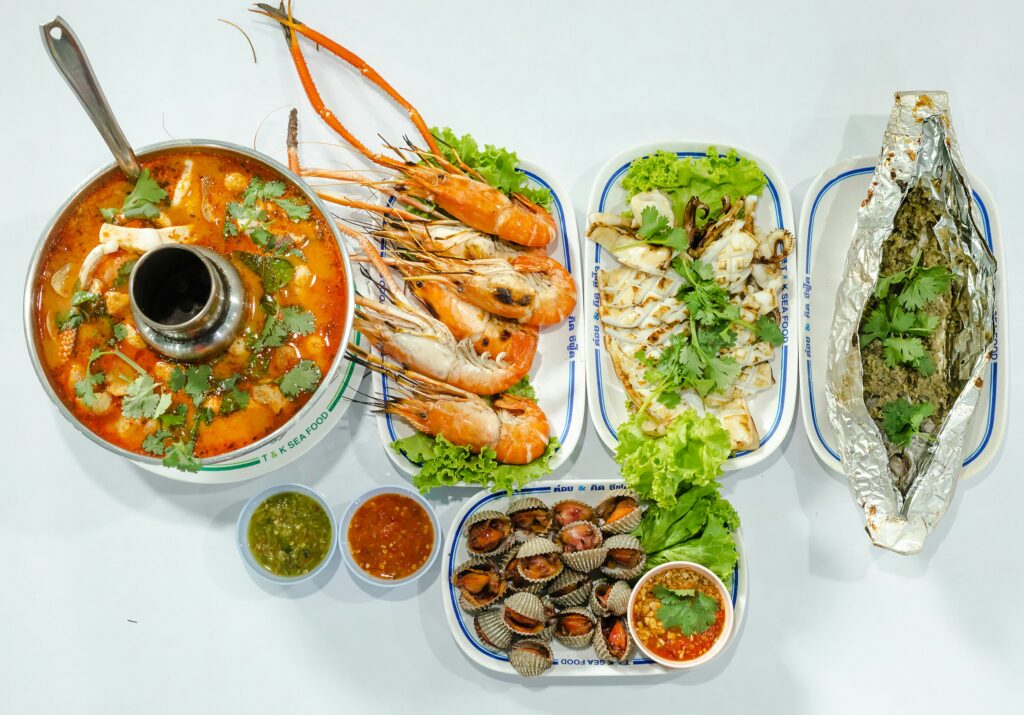
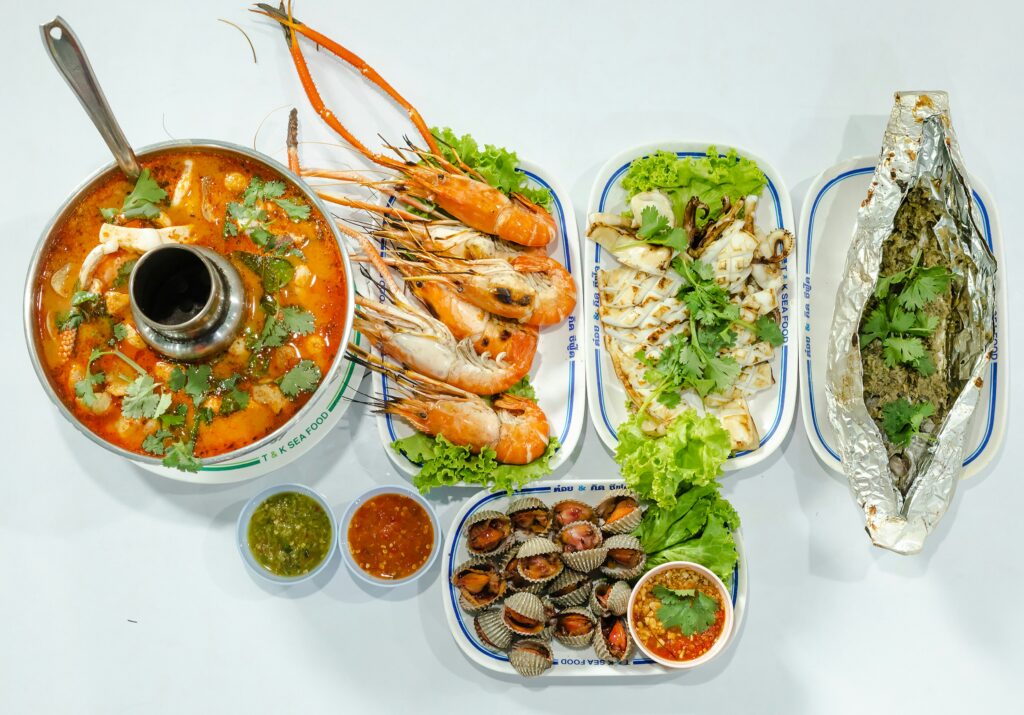
    第一次去耀華力(曼谷中華街)時,我點了世界三大湯品之一的冬陰功。它用一個中間有洞的大鍋豪邁地端上來,我還高興這也太道地了吧,但這份喜悅只維持了大約十秒。那個辣度超乎想像。當我淚流滿面、痛苦掙扎時,隔壁桌的泰國人笑成一團。

    辣到受不了的我點了一杯現榨柳橙汁,那甜美的滋味簡直救了我一命,那杯果汁我至今難忘。

    不可思議的是,明明遭遇了那樣的慘劇,現在每次旅行我都一定會點那個帶有怪癖的湯。甚至上癮到會在便利商店和超市買冬陰功口味的泡麵當宵夜。泰國的味道就算一開始太辣,後勁也會慢慢發作。

    photo by Streets of Food on Unsplash

    耀華力(中華街)最好吃

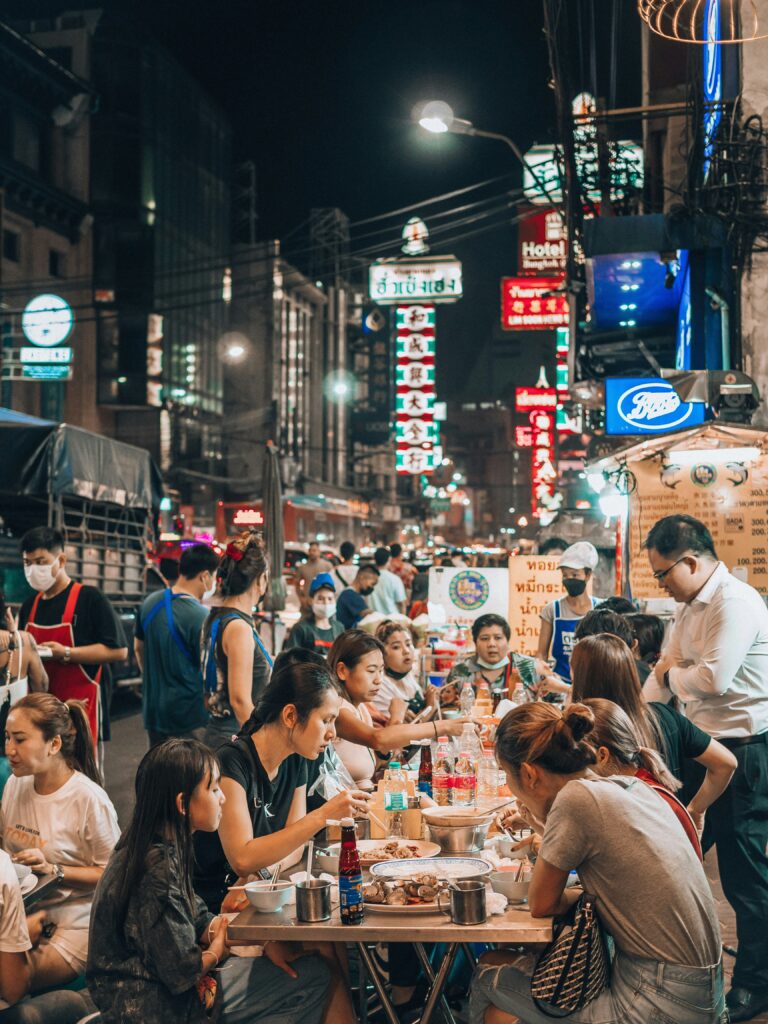
    就我個人而言,泰國路邊攤料理中最好吃的就是耀華力。一到傍晚,充滿活力的攤販就會沿街登場,大鍋烹調的香味四溢,不愧是中華街的氣勢。

    正因為是中華街,珍稀食材也很多,甚至有魚翅和燕窩。份量很大,所以最適合大家一起分著吃。那充滿能量的氛圍值得體驗一次。

    photo by Yoav Aziz on Unsplash

    泰式街頭拉麵「Bami Nam」

    不管去哪間攤販我都常點的是Bami Nam(泰式中華拉麵)。就像日本的醬油拉麵一樣,它以魚露(nam pla)為基底。所以不管哪間攤販味道都很相似,而且湯頭就是好喝。

    泰國路邊攤的桌上通常放有醋、糖、辣椒、魚露等調味料。可以加魚露調整成自己喜歡的味道。但有趣的是,加進湯裡很好喝,原液湊近聞卻很臭。這就是泰國的魅力所在。


    我最推普吋蓬咖哩

    說到泰式咖哩,椰漿基底的綠咖哩、紅咖哩是主流,但我個人最喜歡的是普吋蓬咖哩(咖哩粉炒蟹)。老實說,與其說是咖哩,更接近日本豬排丼上面那層蛋的芡汁的味道。

    普吋蓬咖哩以螃蟹標誌的店家聞名,有好幾間分店。或許是因為太有名,其中一間還掛著日本天皇的照片。

    【官方】到 IG 看建興酒家招牌「滑蛋咖喱炒蟹」的美味照片!

    https://www.instagram.com/somboonseafood

    還有被CNN評為世界第一美味的瑪薩曼咖哩也很推薦。是加了花生和馬鈴薯的偏甜咖哩,選雞肉燉到軟爛入口即化的最棒。


    photo by Busy Bee and Green Tea on Unsplash

    經典菜色一覽

    料理特色價格
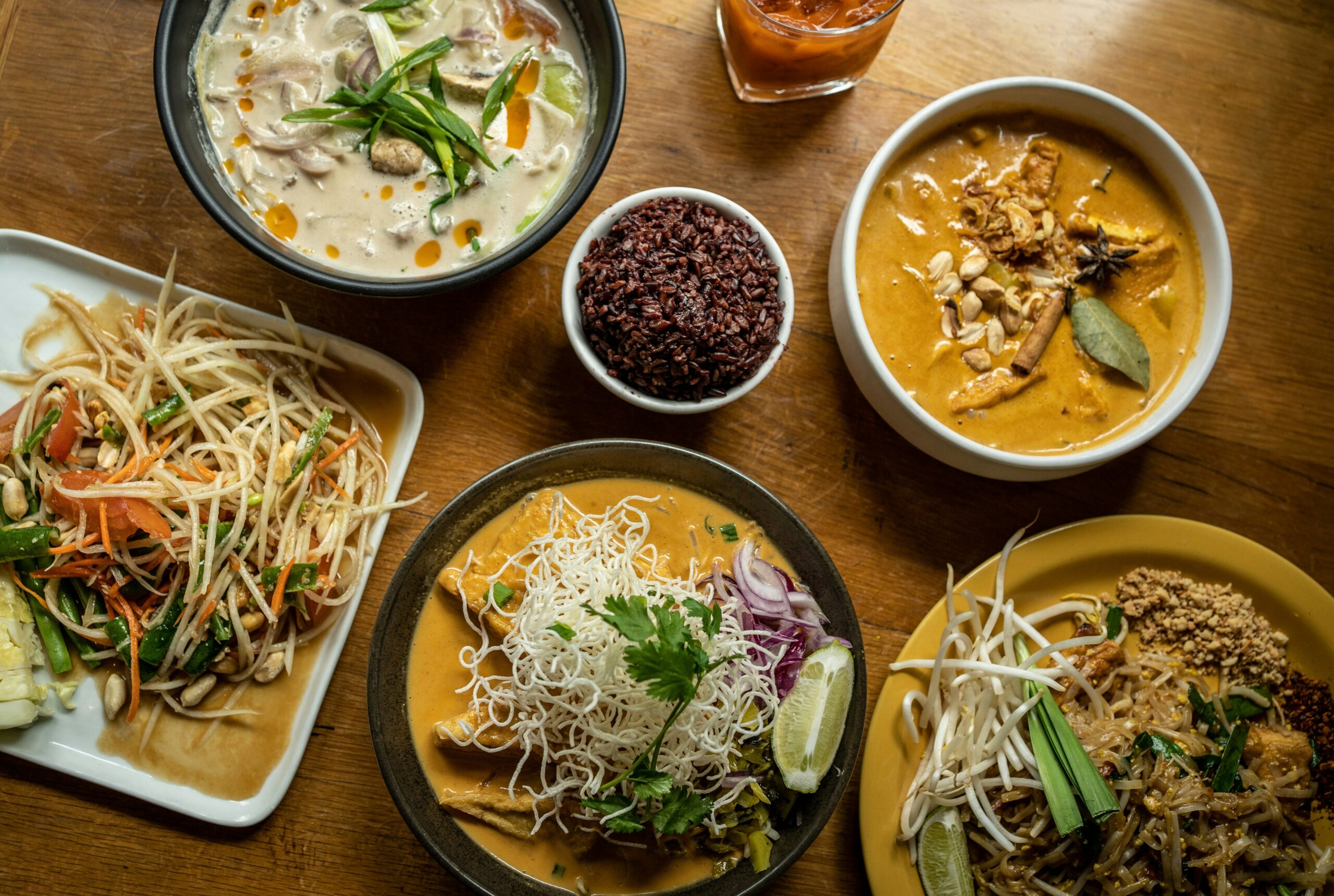
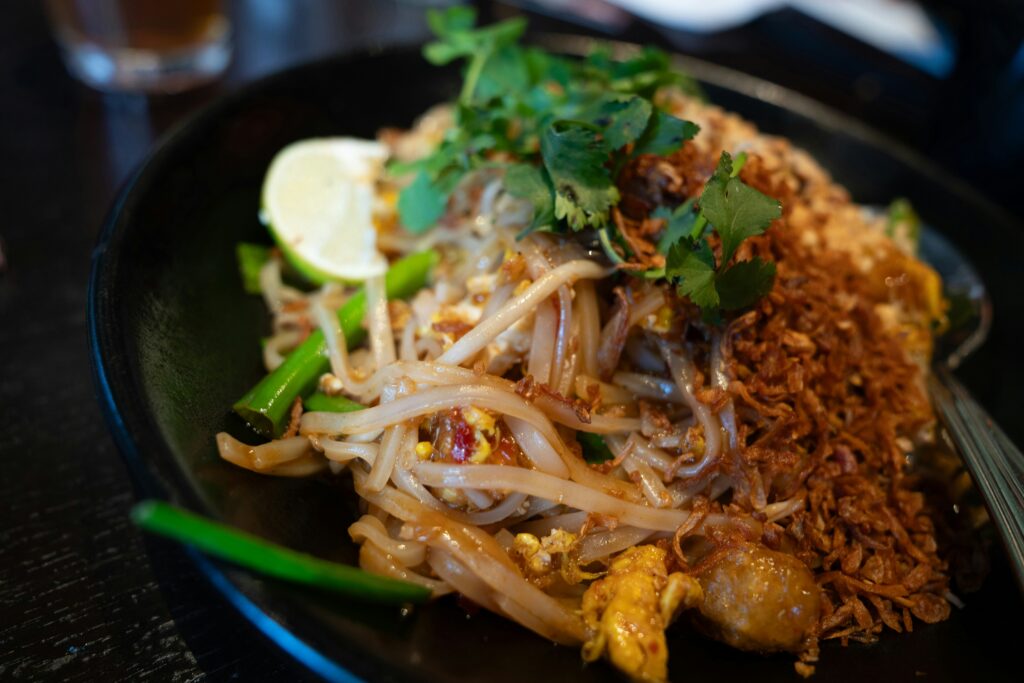
    泰式炒河粉酸甜的米粉炒麵,不辣60-80B
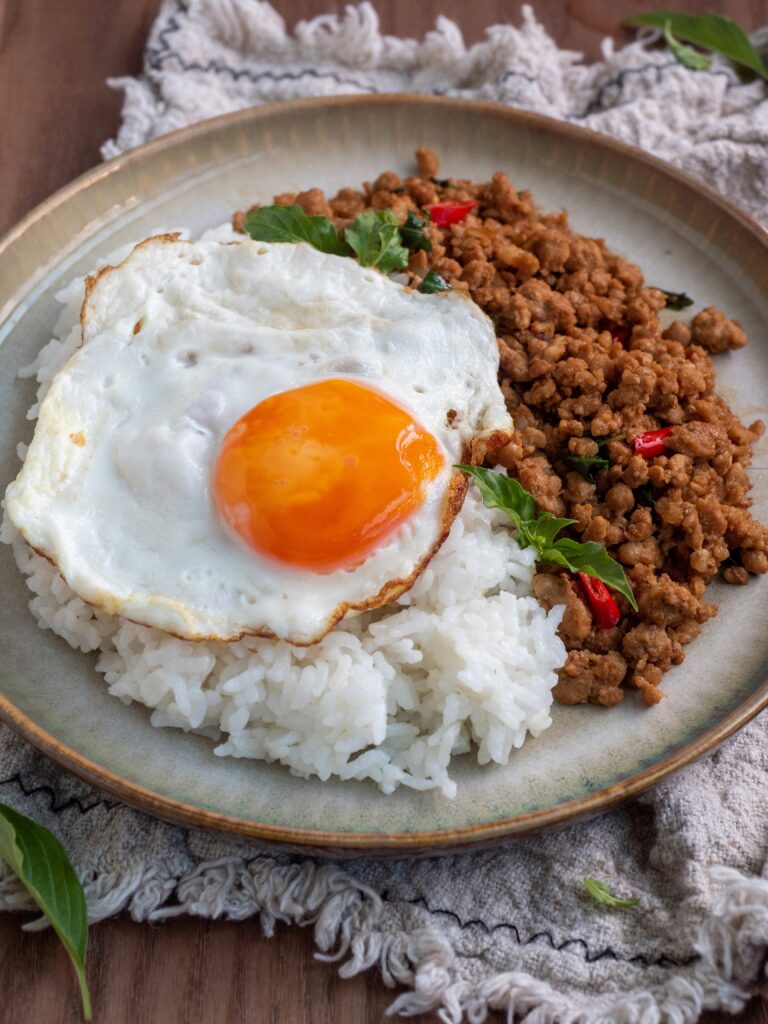
    打拋豬飯羅勒辣椒炒肉飯50-70B
    冬陰功世界三大湯品之一150-250B
    海南雞飯水煮雞肉飯,不辣50-75B
    涼拌青木瓜青木瓜沙拉,超辣注意50-70B
    綠咖哩椰漿甜味配青辣椒80-120B
    咖哩麵清邁名物咖哩拉麵60-90B
    普吋蓬咖哩螃蟹與蛋的咖哩粉炒200-400B
    泰式粥泰式稀飯,溫和顧胃40-60B
    瑪薩曼咖哩曾被CNN評為第一的甜咖哩100-150B
    phpto by Vicky Ng on Unsplash

    不敢吃辣的話,「mai pet」(不要辣)是魔法咒語。


    泰國街頭美食現況的變化

    近年來,曼谷的路邊攤情況有了大幅改變。

    傳統路邊攤大幅減少

    曼谷的人行道淨化行動將主要道路的攤販一個個撤除。曾經深受日本遊客喜愛的素坤逸38巷攤販街也是其中之一。泰國正逐漸朝著如同新加坡般「受管理的乾淨文化」轉變。

    現在以美食廣場為主流

    取而代之的是,路邊攤的味道集中到了購物中心的美食廣場。有冷氣,在炎熱季節或雨季最為理想,價格也便宜,衛生方面也讓人安心。

    想品嚐昔日氛圍的話

    如果還是想體驗那種無秩序的熱鬧,推薦耀華力(中華街)或考山路。兩者都作為觀光資源被特別允許營業攤販。在考山路可以便宜吃到泰式炒河粉和海南雞飯,氛圍也很棒。

    鄉下地方依然如昔

    順帶一提,在清邁、依善地區或曼谷郊外,至今每到傍晚路邊仍排滿側車摩托攤販。昔日的在地風景在首都以外依然健在。


    路邊攤不踩雷的訣竅

    選當地人排隊的攤販

    這是鐵則。排隊代表食材週轉快、新鮮。猶豫的話就選人多的攤販準沒錯。

    注意水和冰

    水一定要買瓶裝的。中間有洞的圓柱型冰塊(製冰工廠的)是安全的。避免用塊冰敲碎的碎冰。

    用手指點餐就行

    指著菜單或照片說「an nee」(這個)就能通。再加一句「aroi」(好吃),馬上就能和老闆拉近距離。


    總結

    泰國的路邊攤正在改變,但那份美味和熱鬧依然健在。一開始可能會被辣到流淚,但這也是泰國體驗的一部分。要真正了解泰國,就要同時享受美食廣場的舒適和耀華力的熱鬧。

    下次去泰國,我大概又會點那個中間有洞的大鍋冬陰功吧。

  • A Local’s Guide to Thai Street Food: What’s Actually Worth Eating After 20 Years

    A Local’s Guide to Thai Street Food: What’s Actually Worth Eating After 20 Years

    The heart of Thai cuisine is street food. Cheap, delicious, and served with the atmosphere of the place itself. After 20 years of traveling to Thailand, here’s my honest take on what’s truly worth eating and how to eat it.

    photo by Alexandra Tran on Unsplash

    Let’s Start with My Legendary Tom Yum Goong Disaster

    The first time I went to Yaowarat (Bangkok’s Chinatown), I ordered tom yum goong, one of the world’s three great soups. It arrived dramatically in a large pot with a hole in the middle, and I was thrilled at how authentic it looked. That joy lasted about ten seconds. The heat was beyond anything I had imagined. As I writhed in pain with tears streaming down my face, the group of Thai people next to me burst out laughing.

    Desperate, I ordered a fresh-squeezed orange juice, and it was so sweet and delicious it might have saved my life. I’ll never forget that glass.

    Funny thing is, despite that traumatic experience, I now order that quirky soup every single time I visit. I’ve become so addicted that I buy tom yum flavored cup noodles at convenience stores and supermarkets for late-night snacks. Thai flavors hit you slowly, even when they’re too spicy at first.

    photo by Streets of Food on Unsplash

    Yaowarat (Chinatown) Is the Best

    In my personal opinion, the best street food in Thailand is found in Yaowarat. As evening falls, lively food stalls appear all along the street, and the aroma of dishes cooked in giant woks fills the air. It has the dignity you’d expect from a proper Chinatown.

    Being Chinatown, there are plenty of delicacies too, even shark fin and bird’s nest. Portions are large, so the best way to enjoy it is to share with a group. That energetic atmosphere is worth experiencing at least once.

    photo by Yoav Aziz on Unsplash

    Bami Nam, the Thai Street Ramen

    The dish I order at almost every stall is bami nam (Thai-Chinese noodle soup). Like Japanese shoyu ramen, it’s based on nam pla (fish sauce). That’s why the taste is similar at any stall, and the broth is consistently delicious.

    Thai street stall tables usually have vinegar, sugar, chili, and nam pla available. You can add nam pla to adjust the flavor to your liking. But here’s the funny part: it tastes great added to the soup, yet the undiluted sauce smells terrible up close. That’s the charm of Thailand.


    My Pick Is Poo Pad Pong Curry

    When it comes to Thai curry, coconut-based soups like green and red curry are the mainstream, but my personal favorite is poo pad pong curry (crab stir-fried in curry powder). To be honest, it tastes less like curry and more like the egg sauce on a Japanese katsudon.

    Poo pad pong curry is famous at restaurants with a crab logo, of which there are several branches. Perhaps because they’re so famous, one even had a photo of the Japanese Emperor on display.

    [Official] Check out Somboon’s signature Fluffy Egg & Crab Curry on Instagram!

    https://www.instagram.com/somboonseafood

    And massaman curry, once named the world’s most delicious dish by CNN, is also a must-try. It’s a sweeter curry with peanuts and potatoes. Choose one where the chicken has been simmered until it falls apart.


    photo by Busy Bee and Green Tea on Unsplash

    Quick Reference: Classic Dishes

    DishDescriptionPrice
    Pad ThaiSweet-sour rice noodles, not spicy60-80B
    Gaprao RiceBasil and chili stir-fry over rice50-70B
    Tom Yum GoongOne of the world’s 3 great soups150-250B
    Khao Man GaiPoached chicken rice, not spicy50-75B
    Som TamGreen papaya salad, very spicy50-70B
    Green CurryCoconut sweetness with green chili80-120B
    Khao SoiChiang Mai’s curry noodle dish60-90B
    Poo Pad Pong CurryCrab stir-fried with curry and egg200-400B
    JokThai rice porridge, gentle on the stomach40-60B
    Massaman CurrySweet curry once ranked #1 by CNN100-150B

    If you can’t handle spice, “mai pet” (not spicy) is the magic phrase.

    phpto by Vicky Ng on Unsplash

    How Thailand’s Street Food Scene Has Changed

    Bangkok’s street food situation has changed dramatically in recent years.

    Traditional roadside stalls have drastically decreased

    Bangkok’s sidewalk cleanup campaign has removed stalls from major roads one after another. The famous Sukhumvit Soi 38 stall street, once beloved by Japanese tourists, was one casualty. Thailand is gradually shifting toward a “managed, clean culture” much like Singapore.

    Food courts are now mainstream

    Instead, the flavors of street stalls have concentrated in shopping center food courts. They’re air-conditioned, perfect for the hot season or rainy season, cheap, and reassuring when it comes to hygiene.

    To taste the old atmosphere

    If you still want that chaotic energy, I recommend Yaowarat (Chinatown) or Khao San Road. Both are specially permitted to operate stalls as tourism resources. At Khao San you can eat cheap pad thai and khao man gai while soaking up the atmosphere.

    The countryside remains unchanged

    By the way, in Chiang Mai, the Isaan region, or the outskirts of Bangkok, sidecar motorcycle stalls still line the roads every evening. The old-school local scene is alive and well outside the capital.


    Tips for Not Failing at Street Food

    Choose stalls where locals are lining up

    This is the golden rule. A line means fast turnover and fresh ingredients. When in doubt, pick the crowded stall.

    Be careful with water and ice

    Always buy bottled water. Ice with a hole in the middle (cylindrical, from ice factories) is safe. Avoid crushed ice made from block ice.

    Just point to order

    Point at the menu or photo and say “an nee” (this one). Add “aroi” (delicious) and you’ll instantly bond with the owner.


    Final Thoughts

    Thai street food is changing, but its deliciousness and energy remain. You might cry from the spice at first, but that’s part of the Thai experience. To truly know Thailand, enjoy both the comfort of the food courts and the energy of Yaowarat.

    Next time I’m in Thailand, I’ll probably order that tom yum goong from the pot with the hole in the middle all over again.

  • タイ屋台グルメの歩き方|20年通って見えた本当に旨いもの

    タイ屋台グルメの歩き方|20年通って見えた本当に旨いもの

    タイ料理の魅力は、なんといっても屋台にある。安くて、旨くて、その土地の空気ごと味わえる。タイに20年通ってきた筆者が、実体験をもとに本当に旨いものと食べ方のコツを正直に語る。

    UnsplashAlexandra Tranが撮影した写真のAlexandra Tranが撮影したイラスト素材

    まずはトムヤムクン失敗談から

    初めてヤワラート(バンコクの中華街)に行ったとき、世界三大スープのトムヤムクンを頼んだ。真ん中に穴の空いた大鍋でドンと出てきて、これは本格的だと喜んだのも束の間、想像を絶する辛さだった。泣きながらのたうち回っていたら、隣のタイ人グループに爆笑された。

    あまりの辛さに生絞りオレンジジュースを注文したら、これが甘くて死ぬほど旨かった。あの一杯は今でも忘れられない。

    不思議なもので、あれだけ痛い目に遭ったのに、今では旅行のたびに必ずあの癖のあるスープを頼んでしまう。コンビニやスーパーでトムヤムクン味のカップ麺を買って夜食にするほど病みつきになった。最初は辛すぎても、タイの味は後からじわじわ効いてくる。

    UnsplashStreets of Foodが撮影した写真のStreets of Foodが撮影したイラスト素材

    ヤワラート(中華街)が一番旨い

    個人的に、タイの屋台料理で一番旨いと思うのがヤワラートだ。夕方になると通りに活気のある屋台が一斉に登場し、大鍋で調理するいい匂いが漂う。さすが中華街という貫禄だ。

    中華街だけあって珍味も多く、フカヒレや燕の巣まである。量が多いのでみんなでシェアして食べるスタイルがいい。エネルギッシュなあの空気は一度味わう価値がある。

    UnsplashYoav Azizが撮影した写真のYoav Azizが撮影したイラスト素材

    タイの屋台ラーメン「バーミーナム」

    どの屋台に行っても僕がよく頼むのがバーミーナム(タイ風中華ラーメン)だ。日本の醤油ラーメンのように、魚醤のナンプラーがベースになっている。だからどの屋台でも味が似ていて、スープがとにかく旨い。

    タイの屋台のテーブルには、たいてい酢・砂糖・唐辛子・ナンプラーなどの調味料が置いてある。ラーメンにナンプラーを足して自分好みに調整できる。ただし、入れると旨いのに原液を嗅ぐと臭い。これがタイの面白いところだ。


    カレーはプーパッポンカリー推し

    タイカレーといえばグリーンカレーやレッドカレーのようなココナッツスープが主流だが、個人的に一番好きなのはプーパッポンカリー(カニのカレー粉炒め)だ。カレーというより、かつ丼にかかっている卵の餡に近い味、というのが正直な感想だ。

    プーパッポンカリーはカニのマークのソンブーン・シーフードが有名で、何店舗かある。やはり有名なのか、店に日本の天皇陛下の写真が飾ってあったのが印象的だった。

    【公式】ソンブーンの一番人気!「ふわふわカニのカレー炒め」の写真をインスタで見る

    https://www.instagram.com/somboonseafood

    そして、CNNのランキングで世界一旨いと言われたマッサマンカレーもおすすめだ。ピーナッツとジャガイモが入った甘めのカレーで、鶏肉がホロホロになるまで煮込まれたものを選ぶと最高だ。


    UnsplashBusy Bee and Green Teaが撮影した写真のBusy Bee and Green Teaが撮影したイラスト素材

    定番メニュー早見表

    料理特徴値段目安
    パッタイ甘酸っぱい米粉の焼きそば。辛くない60〜80B
    ガパオライスバジルと唐辛子の炒めご飯50〜70B
    トムヤムクン世界三大スープ。辛味・酸味・旨味150〜250B
    カオマンガイ茹で鶏ご飯。辛くない50〜75B
    ソムタム青パパイヤのサラダ。激辛注意50〜70B
    グリーンカレーココナッツの甘みと青唐辛子80〜120B
    カオソーイチェンマイ名物カレーラーメン60〜90B
    プーパッポンカリーカニと卵のカレー粉炒め200〜400B
    ジョークタイ風お粥。胃に優しい40〜60B
    マッサマンカレー世界一旨いと言われた甘めカレー100〜150B

    辛いのが苦手なら「マイ・ペット(辛くしないで)」が魔法の言葉だ。

    UnsplashVicky Ngが撮影した写真のVicky Ngが撮影したイラスト素材

    知っておきたい屋台事情の変化

    ここ数年、バンコクの屋台事情は大きく変わった。

    昔ながらの路上屋台は激減している

    バンコク都の歩道クリーンアップ作戦で、主要な大通りの屋台は次々と撤去された。かつて日本人に大人気だったスクンビット・ソイ38の屋台街もその一つだ。タイも少しずつシンガポールのように「管理されたクリーンな文化」へ移行している最中だ。

    今はフードコートが主流

    その代わり、ショッピングセンターのフードコートに屋台の味が密集している。エアコンが効いていて、暑い時期や雨季には最適だ。価格も安く、衛生面でも安心できる。

    昔の雰囲気を味わうなら

    それでもあの無秩序な熱気を味わいたいなら、ヤワラート(中華街)かカオサンロードがおすすめだ。どちらも観光資源として屋台営業が特別に認められている。カオサンならパッタイやカオマンガイが安く食べられて、雰囲気も抜群だ。

    地方は今も昔のまま

    ちなみにチェンマイやイサーン地方、バンコク郊外に行けば、今でも夕方になると道路脇にサイドカー付きバイクの屋台がズラリと並ぶ。昔ながらのローカルな光景は地方で健在だ。


    屋台で失敗しないコツ

    地元の人が行列を作っている店を選ぶ

    これが鉄則だ。行列=食材の回転が早く新鮮ということ。迷ったら混んでいる店に入れば間違いない。

    水と氷に注意

    水は必ずペットボトルを買う。氷は真ん中に穴が空いた円柱型(製氷工場のもの)なら安全だ。板氷を砕いたクラッシュアイスは避けた方がいい。

    注文は指差しでOK

    メニューや写真を指差して「アンニー(これ)」と言うだけで通じる。「アロイ(美味しい)」と一言添えれば店主との距離も縮まる。


    まとめ

    タイの屋台は変わりつつあるが、あの旨さと熱気は健在だ。最初は辛さに泣くかもしれないが、それも含めてタイの味だ。フードコートの快適さも、ヤワラートの熱気も、両方楽しんでこそタイ通だと思う。

    次にタイに行ったら、また穴の空いた大鍋のトムヤムクンを頼んでしまうのだろう。


  • 背包客聖地考山路,昔日與今日

    背包客聖地考山路,昔日與今日

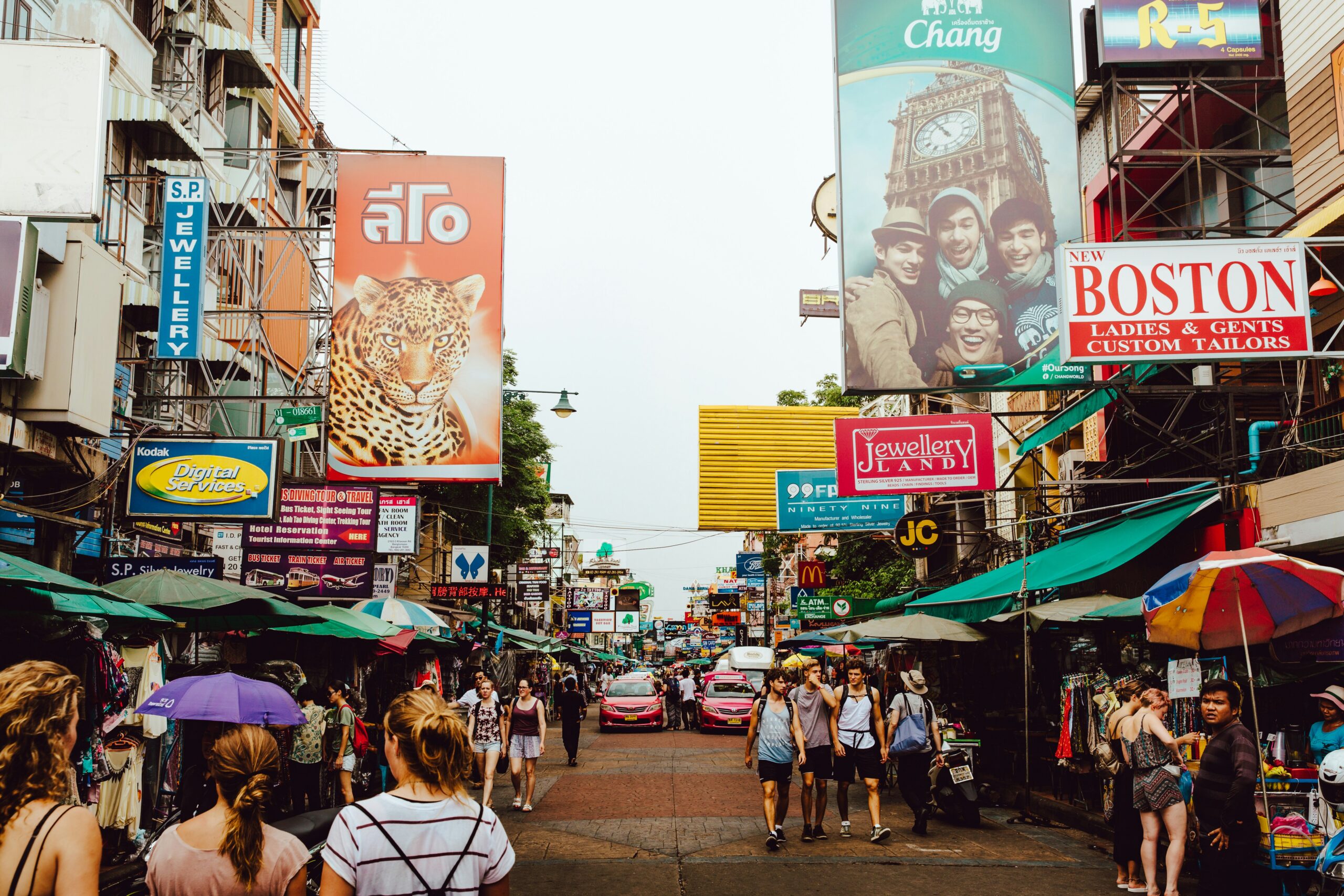
    第一次踏上泰國土地是在大學時代。那個時候蘇萬納普機場還不存在,只有廊曼機場。廊曼機場現在仍是亞洲航空等廉價航空的重要基地。抵達曼谷後,我第一個前往的地方就是全球背包客聚集的聖地——考山路。

    那已經是20多年前的事了,但每次造訪曼谷,我還是忍不住會繞過去看看。也許是回憶濾鏡太強,但那個地方對我來說就是有一種特別的魔力。


    考山路是什麼地方?

    「考山」在泰語中意思是「生米」。19世紀時這一帶是個大型米市。1980年代開始,當地居民開始將空房間便宜租給外國旅客,逐漸發展成平價住宿街。

    1990年代到2000年代,廉價旅館、路邊攤、代辦長途巴士票和簽證的旅行社密集在此,成為「來這裡就能搞定一切」的旅行者天堂。李奧納多·狄卡皮歐主演的電影《海灘》(2000年)以此為舞台,讓考山路作為「背包客聖地」的地位享譽全球。

    photo by Evan Krause on Unsplash

    昔日的考山路

    那個智慧型手機還不普及的年代,曼谷街頭到處都是網咖。走進考山路不需要預訂,隨時都能找到空床。單人房約150泰銖,多人房約100泰銖。

    主街道上旅館、紀念品店、按摩店、旅行社、路邊攤、刺青店各種店家混雜在一起,各種膚色的旅人川流不息。

    考山路的後街

    主街道旁一條小巷被稱為「後考山」,有許多以色列人旅館和日本人旅館。10泰銖的水果冰沙,10泰銖一碗的泰式湯麵(泰語:ba mee nam)隨處可見。份量雖小,衛生條件也稱不上好,但這正是旅行的一部分。

    想要安靜的旅客

    不想待在主街道喧囂中的背包客,會選擇考山路到昭披耶河之間的寺廟區旅館。那裡環境清幽,深受想要放慢腳步的旅行者喜愛。

    沉沒旅行者絡繹不絕

    全球旅人以考山路為據點出發前往柬埔寨、越南、寮國等地陸路旅行,但也有很多人因為這裡太舒適便宜而「沉沒」,一待就是好幾個星期甚至幾個月。


    現在的考山路

    智慧型手機取代了網咖,旅行社也消失了。昔日粗獷的背包客聖地形象已逐漸褪色。平價旅館旁現在有了乾淨的飯店,時髦的咖啡廳也愈來愈多。來這裡的不只是外國旅客,為了拍照上傳社群媒體而來的泰國年輕人也變得非常多。

    白天與夜晚截然不同的面貌

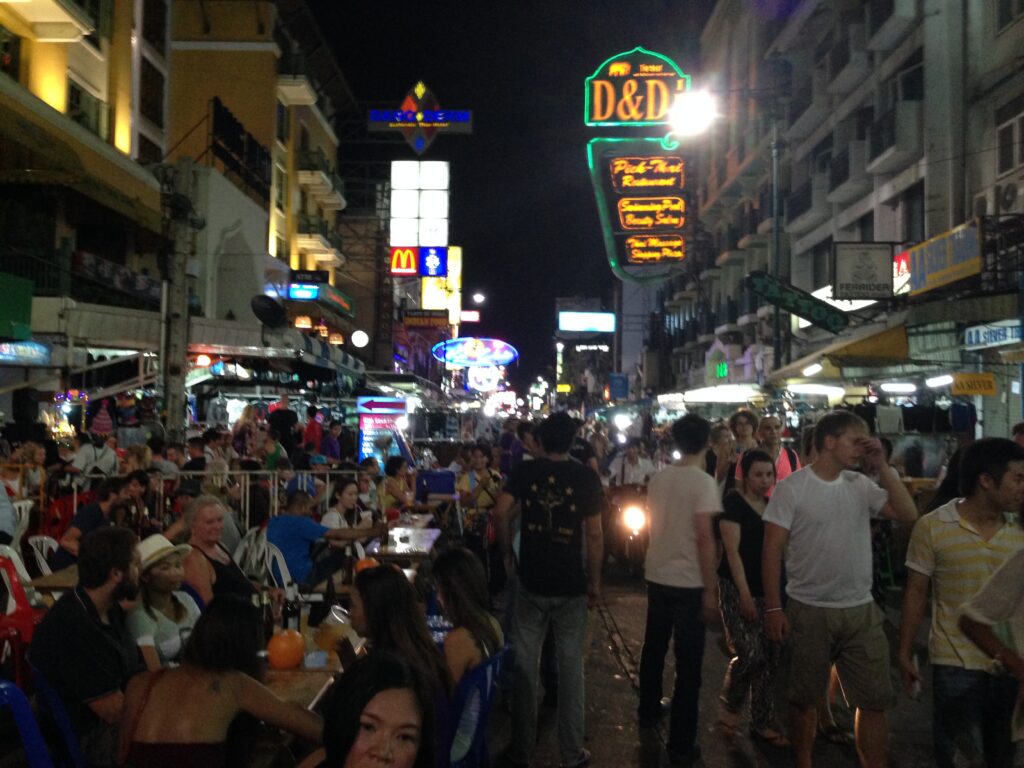
    白天大家悠閒地在咖啡廳或酒吧喝酒放鬆。但一到夜晚氣氛完全不同,整條街變成露天派對,震耳欲聾的音樂聲中歐美旅客喝酒狂歡。喜歡音樂和酒精、想要盡情放縱的人,這裡絕對是天堂。


    考山路周邊推薦區域

    寺廟區(往昭披耶河方向) 從考山路往河的方向走,進入寺廟區後氣氛變得安靜許多。這裡有時髦的咖啡廳、餐廳和路邊攤,也有歐式餐點選擇。昭披耶河的碼頭就在附近,前往大皇宮等景點也很方便。

    蘭布里小巷(Soi Rambuttri) 與考山路平行的一條小巷。沒有震耳欲聾的音樂,樹蔭下的露台座位悠閒舒適,保留著一點昔日考山路的氣息。

    photo by Steven Wilcox on Unsplash

    飯店選擇注意事項

    靠近主街道的飯店夜晚可能非常吵鬧而難以入睡。想要安靜休息的人建議選擇往寺廟區方向、靠近昭披耶河的住宿。


    交通方式

    考山路附近沒有BTS或捷運站。從其他區域前往最方便的方式是使用Grab等叫車APP。

    也可以搭乘昭披耶河快船,從BTS沙潘塔克辛站直連的沙吞碼頭出發,在帕阿提特碼頭下船,步行約10分鐘即可抵達。這是個很有情調的到達方式。


    注意事項

    關於大麻 泰國曾一度將大麻合法化,考山路上開了許多大麻店,但目前正朝向加強管制的方向發展。無論當地法律如何,日本的大麻取締法適用於海外犯罪,日本人在海外也絕對不能碰。

    扒手與詐騙 人潮擁擠,夜間請特別注意手機和錢包的保管。「大皇宮今天休息,我帶你去別的地方」這種嘟嘟車詐騙至今仍存在,遇到直接無視繼續走。


    總結

    從雜亂粗獷的背包客聖地,到如今吸引全球旅客和泰國年輕人聚集的派對街,考山路已經大幅改變。但它那種奇特的吸引力始終沒有消失。無論你是哪種旅行者,來曼谷至少值得去看一次。

  • Khao San Road: Bangkok’s Legendary Backpacker Street, Then and Now

    Khao San Road: Bangkok’s Legendary Backpacker Street, Then and Now

    My first trip to Thailand was during my university days. Back then, Suvarnabhumi Airport didn’t exist yet — it was all Don Mueang. Today Don Mueang still serves as a hub for budget carriers like AirAsia. The moment I landed, I headed straight for Khao San Road, the legendary gathering point for backpackers from every corner of the world.

    More than 20 years later, I still find myself dropping by every time I visit Bangkok. Maybe it’s just nostalgia, but there’s something about that place that keeps pulling me back.


    What is Khao San Road?

    “Khao San” means “uncooked rice” in Thai. In the 19th century this area was a major rice market. In the 1980s, locals began renting out spare rooms to foreign travelers at low prices, and gradually it developed into a budget accommodation hub.

    Through the 1990s and 2000s, cheap guesthouses, street food stalls, travel agents handling long-distance bus tickets and visa services all packed in together, making it a place where backpackers could find everything they needed in one spot. When Leonardo DiCaprio’s film “The Beach” (2000) used it as a backdrop, Khao San Road’s reputation as the world’s backpacker mecca became truly global.

    photo by Evan Krause on Unsplash


    Khao San Road Back Then

    In those days before smartphones, internet cafes lined the streets of Bangkok. You could walk into Khao San Road and find a bed without any reservation — rooms were always available. A single room ran about 150 baht, a dorm bed around 100 baht.

    The main strip was an extraordinary jumble of guesthouses, souvenir shops, massage parlors, travel agents, street food stalls and tattoo shops, packed with travelers of every nationality.

    The Back Streets of Khao San

    One street over from the main road was what regulars called “Back Khao San,” lined with guesthouses catering specifically to Israeli travelers, Japanese travelers and others. Fruit shakes went for 10 baht. A bowl of Thai noodle soup (ba mee nam) was also 10 baht. The portions were small and the hygiene left something to be desired, but that was all part of the experience.

    For Those Who Wanted Quiet

    Travelers who wanted to escape the noise of the main strip headed for the temple area between Khao San and the Chao Phraya River. The guesthouses there were peaceful and popular with those who wanted to slow down.

    The Sinking Travelers

    Backpackers from all over the world used Khao San as their base to fan out across Southeast Asia — Cambodia, Vietnam, Laos and beyond by land. But many never made it further. The place was so comfortable and cheap that travelers would get “stuck” for weeks or months. The locals called them sinking travelers.


    Khao San Road Today

    Smartphones have replaced internet cafes. Travel agents have disappeared. The image of the rough and ready backpacker haven has faded. Alongside budget guesthouses you now find proper hotels, stylish cafes and decent restaurants. And it’s not just foreign travelers anymore — Thai young people come here too, phones out, hunting for the perfect shot.

    Two Completely Different Faces

    During the day the vibe is relaxed. People sit in cafes and open-air bars, drinking and taking their time. But at night everything changes. The street transforms into an open-air club. Loud music pumps from every direction while crowds of mostly Western travelers drink and dance. If you love music, alcohol and letting loose, it’s an incredible atmosphere.


    The Best Areas Around Khao San

    The Temple Area (toward the Chao Phraya River) Walking from Khao San toward the river you reach a quieter temple district with stylish cafes, restaurants and street food stalls. It’s calmer and more relaxed than the main strip. The Chao Phraya River pier is close by, making it a convenient base for visiting the Grand Palace area.

    Soi Rambuttri One street parallel to Khao San Road. No pounding bass here — just shaded terraces, relaxed cafes and a more laid-back crowd. If you want a taste of what old Khao San felt like, this is the place.

    photo by Steven Wilcox on Unsplash

    Choosing Your Hotel

    Hotels close to the main strip can be extremely noisy at night. If you want to sleep, look for accommodation in the temple area toward the river.


    Getting There

    There are no BTS or MRT stations near Khao San Road. The easiest option is a Grab ride from wherever you are in Bangkok.

    Alternatively, take the Chao Phraya Express Boat from Sathorn Pier (connected to BTS Saphan Taksin) and get off at Phra Arthit Pier — from there it’s about a 10-minute walk. A scenic and enjoyable way to arrive.


    Important Warnings

    Cannabis Thailand temporarily legalized cannabis and Khao San filled up with dispensaries. Regulations are now being tightened. Regardless of local laws, Japanese nationals should be aware that Japan’s cannabis laws apply to offenses committed abroad. Do not touch it under any circumstances.

    Pickpockets and Scams Keep your phone and wallet secure, especially at night. The classic tuk-tuk scam — “The Grand Palace is closed today, let me take you somewhere else” — is still alive and well. Ignore it and keep walking.


    Final Thoughts

    From a gritty backpacker haven to a party street drawing travelers and Thai locals alike, Khao San Road has changed enormously. But its strange magnetic pull remains. Whatever kind of traveler you are, it’s worth stopping by at least once when you’re in Bangkok.